
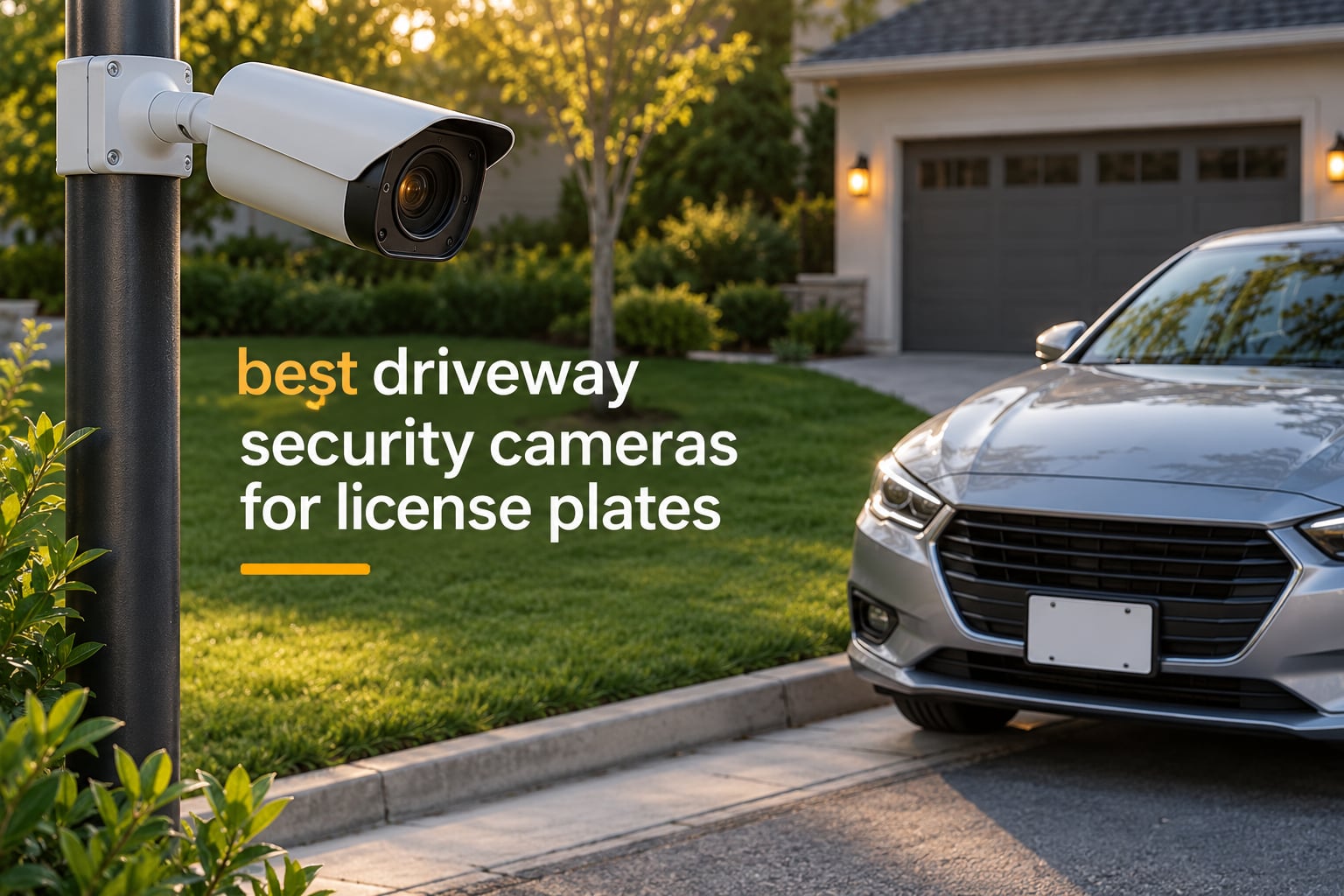
A driveway is the one part of a home where a stranger is guaranteed to slow down, stop, or turn around in full view of your camera. Package thieves know it. Hit-and-run drivers know it. That makes the driveway the place where recording a face is rarely enough, and a readable license plate is what actually turns a blurry clip into usable evidence.
The trouble is that most cameras sold as driveway watchers are wide-angle security cams with a zoom setting buried in a menu. They record a person walking up from the sidewalk at 40 feet and call it identification. If you are searching for the best driveway security cameras for license plates, the deciding factors are narrow and technical: a telephoto lens that compresses the view, a shutter fast enough to freeze a moving bumper, and infrared tuned not to turn reflective plate paint into a white smear.
We spent weeks comparing ten bullet and PTZ cameras built for this exact job, checking published specifications against what buyers report after living with them. This guide ranks them, explains what actually makes a plate readable, and tells you where to mount the camera and which settings to change before you ever open the app at night.
Table of Contents
Top 3 Picks for Driveway License Plate Capture in 2026

Anpviz IPC-B7842WD-4X-LPR-32
- 8-32mm motorized lens
- 23-98ft ANPR range
- 140dB True WDR
- 330ft IR
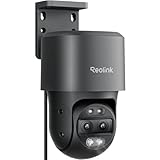
Reolink TrackMix PoE
- Dual lens 2.8mm + 8mm
- 4K 8MP
- plates readable near 125ft
- no subscription

Anpviz IPC-B7842WD-4X-LPR-32 is the dedicated-LPR pick. It pairs an 8-32mm motorized lens with a 1/1.8-inch sensor and a manufacturer-stated ANPR sweet spot of 23 to 98 feet, which covers nearly every residential driveway.
Reolink TrackMix PoE is the value pick and the most-reviewed camera here by a wide margin. Buyers confirm readable plates out to roughly 125 feet, and there is no subscription to pay after purchase.
Reolink OMVI 3i PoE is the premium pick for a driveway that needs both coverage of the whole approach and a zoomed follow-up on one vehicle at a time.
All 10 Driveway License Plate Cameras at a Glance
| Product | Specifications | Action |
|---|---|---|
| Anpviz IPC-B7842WD-4X-LPR-32 |
|
Check Latest Price |
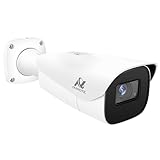 ONWOTE BA40-LPR832 ONWOTE BA40-LPR832 |
|
Check Latest Price |
 CMIP7943WLPR-32R CMIP7943WLPR-32R |
|
Check Latest Price |
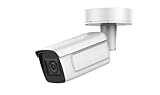 Hawk Eye HES522-VBA32LPR Hawk Eye HES522-VBA32LPR |
|
Check Latest Price |
 Mayflower MNS512-VBA12-LPR Mayflower MNS512-VBA12-LPR |
|
Check Latest Price |
 Vivotek IB9387-LPR-W Vivotek IB9387-LPR-W |
|
Check Latest Price |
 06AI ANPR Camera 06AI ANPR Camera |
|
Check Latest Price |
| Reolink TrackMix PoE |
|
Check Latest Price |
 FOSCAM SD8P FOSCAM SD8P |
|
Check Latest Price |
| Reolink OMVI 3i PoE |
|
Check Latest Price |
What an LPR Camera Actually Does at a Driveway
LPR is short for license plate recognition, and ANPR stands for automatic number plate recognition. They are the same technology under two regional names, so if you see both on the same listing you are not looking at two different systems.
Three hardware choices separate a camera that reads plates from one that merely watches cars go by. The first is focal length: an 8-32mm motorized varifocal lens narrows the field of view until a car fills the frame, while a 2.8mm fisheye spreads a person across 20 pixels. The second is shutter speed, because a vehicle rolling at driveway speed still smears its plate at slow shutter settings, so anything at or above 1/500s matters. The third is dynamic range, since reflective plate backgrounds blow out to white under headlights unless the camera can hold detail in both the bright plate and the dark street behind it.
Analytics can run in three places. On-camera analytics detect the plate and send a text alert with no recorder attached. NVR-side software pulls the crop from the recorder stream. Cloud services do the same thing on someone else’s server, usually for a monthly fee.
On-camera and NVR-side options cost nothing after the hardware, which is why we lean toward them for residential use. Cloud plate reading is where subscription pricing creeps in, and a subscriber model also means your footage depends on an outside connection.
1. Anpviz IPC-B7842WD-4X-LPR-32 – Best Overall LPR Camera
Anpviz License Plate Recognition PoE IP Camera, 4MP@30/60fps LPR/ANPR
4MP at 60fps
8-32mm 4X motorized lens
140dB True WDR
330ft IR
IP67 and IK10
Pros
- 8-32mm motorized lens rated for 23-98ft plate capture
- 140dB True WDR holds detail under headlights
- 330ft IR range for night plates
- ONVIF compatible with Blue Iris and Milestone
- IP67 and IK10 metal housing
Cons
- Bulky 4 pound metal body is hard to conceal
- Full LPR feature set needs Anpviz NVR hardware
- Setup documentation is thin for third-party recorders
This is the camera we would put on our own driveway first. The specification that matters most is the recommended ANPR distance of 23 to 98 feet, a range the manufacturer states outright rather than burying in a footnote, and it lines up almost perfectly with a normal two-car suburban driveway where the curb sits 60 to 90 feet from the house.
Video is 4MP, and it drops resolution to hold 60fps at 2560×1440. That frame rate is the part people miss. A 30fps capture of a moving bumper at 15 mph gives the shutter very little time to work, and the 60fps stream is what keeps characters from smearing together.
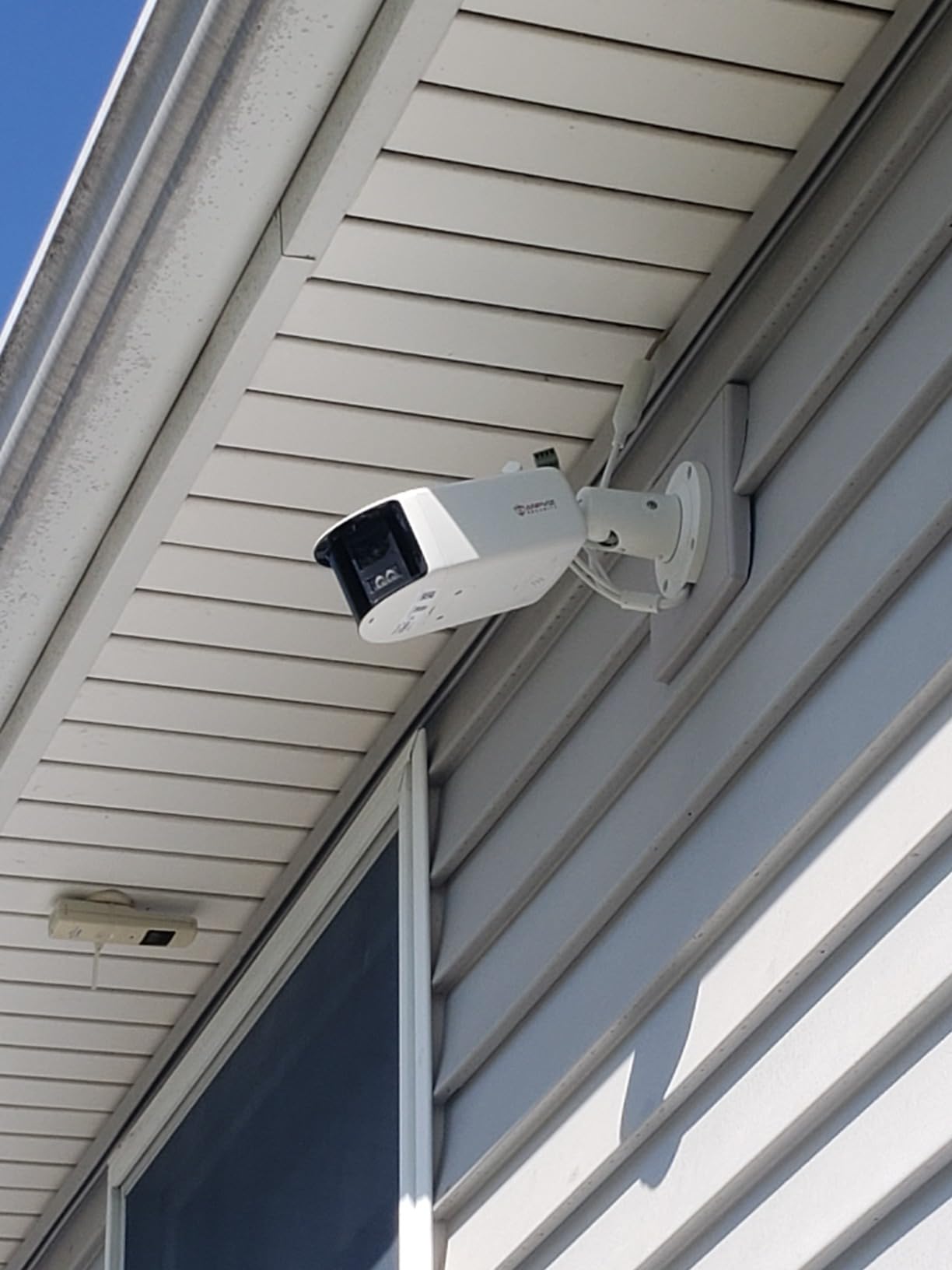
The 1/1.8-inch sensor with an F1.6 lens is a genuinely large light intake for a bullet camera, and it is paired with 330 feet of IR illumination. Low-light thresholds are listed at 0.0005 lux in color, which matters more for the dark half of a driveway than any headline IR number.
Video handling is flexible. H.265+ encoding, five streams, two-way audio, and a microSD slot that accepts up to 1TB let you run it standalone or feed an NVR. Reviewers also call out that ONVIF compatibility works with Blue Iris and Milestone, so you are not locked into one ecosystem for viewing.
What you should check before buying
Confirm which features you lose on third-party recorders. Owners report that the full LPR feature set, including blocklist and allowlist tools, is easiest to reach through Anpviz NVRs. Basic streaming and recording are the parts that work everywhere.
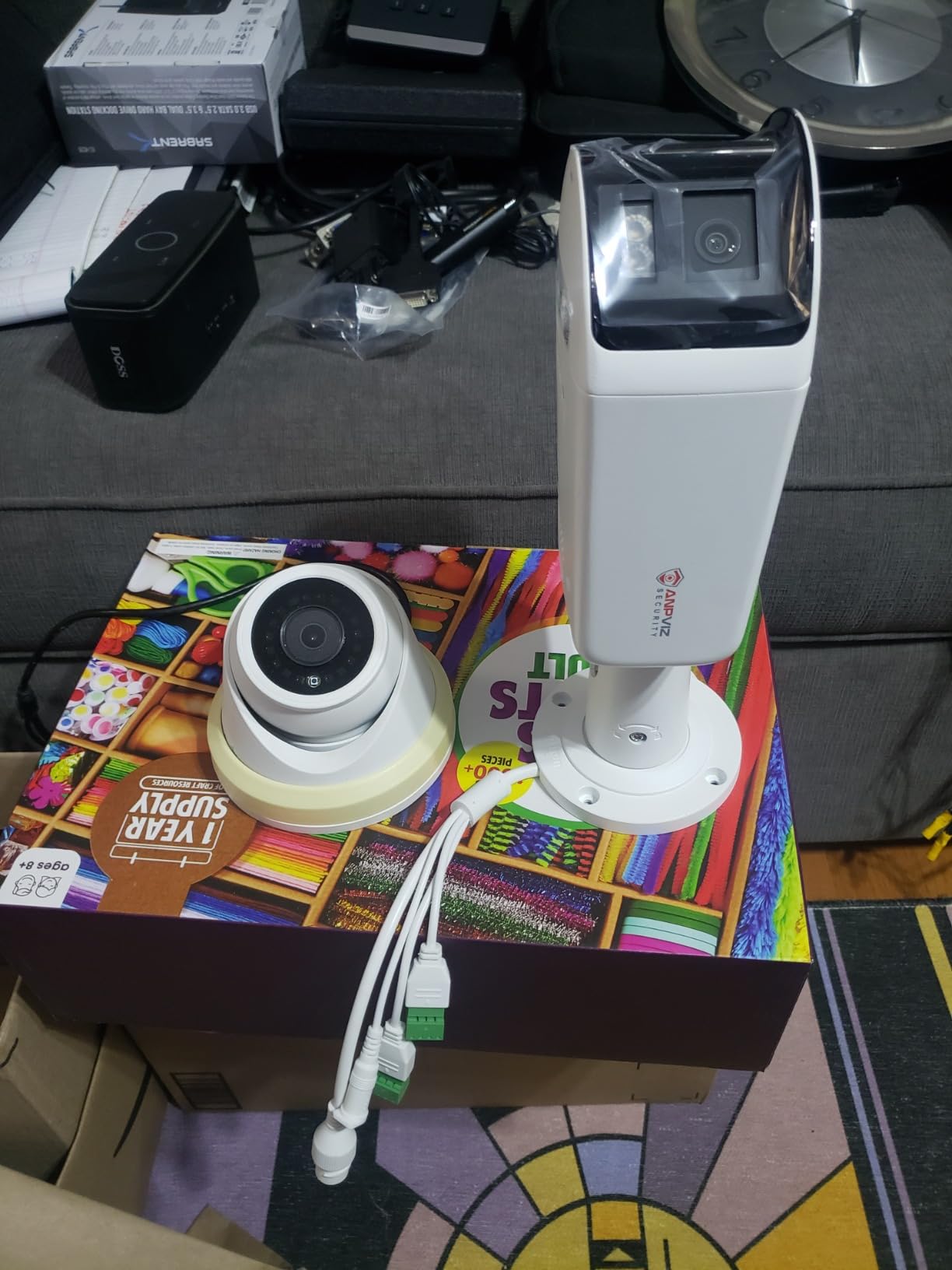
Look at the size and plan your bracket. At 4 pounds and 15.2 inches long in a metal housing, this is not a camera you tuck under an eave. A visible camera deters more than a hidden one anyway, so most people mount it on a post or corner mount where the bulk is an asset.
Where it falls short
The motorised lens is manual-zoom in practice, and some buyers note that setup on a non-Anpviz NVR takes patience the documentation does not supply. If you are comfortable with ONVIF and willing to run the camera standalone with a 1TB card, neither issue matters.
Night performance depends on IR reflection off the plate rather than a separate plate illuminator. In a driveway where headlights point straight at the lens, a supplemental IR light mounted away from the camera axis fixes glare better than any camera-side setting.
2. ONWOTE BA40-LPR832 – Best for a Short Driveway
ONWOTE License Plate Recognition PoE IP Camera Wired, 8-32mm Motorized Lens
4MP at 30fps
8-32mm motorized lens
120dB WDR
100ft IR
IP66 aluminum
Pros
- Motorized 8-32mm lens for remote angle adjustment
- 120dB WDR with Dark Fighter low light
- IP66 aluminum housing
- PoE power and data on one cable
- Mobile app plus web client and CMS
Cons
- Full LPR features need ONWOTE TD series NVRs
- Only 100ft IR range
- MicroSD capped at 256GB
- Just one published customer review
Spec-wise this camera lands close to the Anpviz model with a slightly smaller 1/1.8-inch sensor and 120dB WDR instead of a 140dB rating. The 8-32mm F1.6 motorized varifocal lens matches, and the manufacturer-stated ANPR range is the same 23 to 98 feet.
Where it separates is IR reach. The stated 100 feet of night vision is well short of the 328 and 330 feet figures on the two units below it, which makes it a sensible choice when the driveway is short and the camera sits close to the curb.
Running at 4MP and 30fps, it lacks the high-frame-rate mode that helps with fast approach vehicles. If your driveway is a calm cul-de-sac with a stop sign at the end, 30fps is plenty.
What you should check before buying
Decide on your recorder first. The LPR function ties to ONWOTE TD series NVRs, and that vendor lock-in is the main thing separating this from models that hand you ONVIF and walk away.
Plan on a microSD card or an NVR rather than a single-card standalone setup. The 256GB ceiling is workable for a driveway that is only interesting when something moves, but it will not hold weeks of 24/7 footage.
Where it falls short
There is a single published review at a five-star rating, and one data point is not a track record. Treat the specification sheet as the only real evidence here, and confirm return terms before a camera this new goes on a wall.
The 100 foot IR figure is a headline range, not a plate-readability promise. Bright plate paint under headlights at close range can still blow out, so a small supplemental IR light adds more than extra camera range would.
3. CMIP7943WLPR-32R – Best Rugged Spec for Long Driveways
CMIP7943WLPR-32R 4MP IP LPR Bullet Camera with 8–32mm AF Motorized Varifocal Lens, 140dB True WDR, Matrix IR 328ft, License Plate Recognition, Ultra-Low Light, H.265+, 5 Streams
4MP 2560x1440
8-32mm motorized auto focus lens
140dB True WDR
328ft Matrix IR
IP67 and IK10
Pros
- Auto focus motorized 8-32mm lens
- 328ft Matrix IR night vision
- 140dB True WDR for glare
- H.265+ with 5 streams
- IP67 and IK10 for exposed mounts
Cons
- No published customer reviews
- Generic branding with limited support reach
- Memory card limited to 256GB
This unit carries the longest IR figure in the group at 328 feet, paired with a 1/1.8-inch progressive CMOS sensor and a 140dB True WDR rating. For a driveway that runs past 150 feet and needs identification at the far end, that reach is the whole point.
The 8-32mm motorized varifocal lens includes auto focus, which is a genuine advantage when a pole-mounted camera gets nudged by wind or a ladder. Region-based exposure and focus controls let you tune the bottom half of the frame for the plate and the top half for the vehicle body.
H.265+ compression across five streams keeps bandwidth manageable on a long PoE run. IP67 and IK10 ratings mean it can sit on an exposed post without a weather housing.
What you should check before buying
Ask the seller directly about warranty handling and firmware access. With no published reviews and a generic brand, support responsiveness is the part you are actually buying when two cameras share a specification sheet.
Confirm the LPR feature set is on the camera rather than in a separate paid CMS. The listing describes LPR optimization but does not detail a blocklist or allowlist, so manage expectations for vehicle search features.
Where it falls short
Zero reviews means every claim here is manufacturer-supplied. If your driveway is the ordinary suburban kind, the Anpviz unit gives you the same lens range with a real owner history behind it.
The 256GB storage ceiling and single-stream workflow make this more of a camera-plus-recorder purchase than a standalone unit. Budget for a proper NVR rather than planning around an SD card alone.
4. Hawk Eye HES522-VBA32LPR – Best for Hikvision Setups
2MP Smart License Plate Recognition Camera, ANPR, IP PoE, Motorized VF 8-32mm Lens, Exterior EXIR Upto 360ft Compatible with Hikvision iDS-2CD7A26G0/P-IZHS
2MP 1080p
8-32mm motorized lens
EXIR up to 360ft
DarkFighter low light
PoE
Pros
- Listed compatible with Hikvision iDS-2CD7A26G0/P-IZHS
- 360ft EXIR illumination
- DarkFighter low-light sensor
- Real-time LPR through CMS software
- Dual stream plus sub-stream for phone viewing
Cons
- 2MP 1080p is below the 4MP norm here
- Memory card limited to 128GB
- LPR needs CMS software
- Generic brand name
The pitch here is compatibility. The listing states this model works with the Hikvision iDS-2CD7A26G0/P-IZHS platform, which matters enormously if your existing driveway system is already Hikvision and you would rather not rewire the whole property.
The hardware underneath is respectable: an 8-32mm motorized varifocal lens, DarkFighter low-light handling, EXIR illumination to 360 feet, and PoE power. Real-time plate recognition runs through CMS software rather than entirely on the camera.
The trade is resolution. At 2MP and 1920×1080, this sits well below the 4MP sensors on the dedicated units. On a short driveway that puts the car close to the lens, the pixel count is plenty. On a long one, characters get thin.
What you should check before buying
Confirm the CMS license situation before you commit. Plate reading that depends on management software means one more thing to install, license, and update.
Verify the exact Hikvision model number before buying, since listings for this class of camera often sit near but not identical to the supported model. A mismatch here shows up as a discovery failure in your recorder.
Where it falls short
128GB of local storage is the smallest card ceiling in this group, and it is not expandable to the 1TB some rivals allow. That pushes you toward the recorder for anything beyond a few days.
With no customer reviews and a generic supplier, expect to spend more time in setup menus than with a supported-brand camera. Buy it for the compatibility, not for the badge.
5. Mayflower MNS512-VBA12-LPR – Best for Close-Range Plate Capture
2MP Ultra-Low Light Outdoor Smart IP Motorized VF Bullet Camera for License Plate Recognition, 2.8 mm to 12 mm Lens, Compatible with Hikvision DS-2CD4A26FWD-IZHS8/P (2.8 mm to 12 mm)
2MP 1080p at 60fps
2.8-12mm motorized lens
True WDR with 3D DNR
150ft EXIR
IP67
Pros
- 2.8-12mm lens gives a wider starting field of view
- 60fps at 1080p limits motion blur
- True WDR with 3D DNR and BLC
- IP67 housing for exposed mounting
- Compatible with Hikvision DS-2CD4A26FWD-IZHS8/P
Cons
- 150ft IR is the shortest range here
- 12mm telephoto end is short for long driveways
- 128GB storage cap
- Motion-only alerts with no AI detection
A 2.8mm to 12mm lens is unusual in a dedicated LPR camera, and it is genuinely useful in a specific situation. Because it starts wide, you can frame a short driveway in one shot and then motor the lens in toward the plate without repositioning hardware.
Video is 1080p at 60fps, and that frame rate matters more here than the resolution number suggests. Sixty frames per second gives the shutter room to freeze a moving bumper, so a plate that looks marginal at 30fps can read cleanly at 60.
True WDR, 3D DNR, and backlight compensation together handle the classic nighttime problem where headlights sit behind the plate. EXIR illumination is listed to 150 feet, which is enough for a driveway with a nearby curb.
What you should check before buying
Work out your capture distance before you commit. A 12mm telephoto end reaches far less than a 32mm end, so on a driveway longer than roughly 70 feet this camera will be working hard.
Note the alerts are motion-only with no AI detection. That means every car, shadow, and moving branch triggers a notification unless you build motion zones by hand.
Where it falls short
There are no published reviews, so treat the numbers as unverified. If your driveway is long, the dedicated 8-32mm units are the safer bet despite the higher resolution.
Plate reading again depends on CMS software rather than on-camera analytics. Plan that install time before you mount the camera, not after.
6. Vivotek IB9387-LPR-W – Best for Gate and Access Control
IB9387-LPR-W License Plate Recognition Bullet Camera (White)
5MP sensor
Embedded LPR software
Wiegand protocol support
Smart IR for plates
IP66 white housing
Pros
- Embedded LPR software needs no external CMS
- 5MP sensor is the highest here
- Wiegand protocol for gate and door hardware
- Smart IR illumination tuned for plates
- Supports plate formats from multiple countries
Cons
- No published customer reviews
- Few specifications disclosed
- MPEG-4 codec only
- No storage details provided
This is the odd one out in the group, and it is odd in a useful direction. The LPR software runs on the camera itself rather than on a recorder, so plate capture works without a management platform behind it. For a gate where you only need a log of who came through, that removes a whole layer of setup.
Wiegand protocol support is the headline for anyone with an electric gate or door controller. It lets the camera talk directly to access hardware, which is unusual in a residential-priced unit.
The sensor is listed at 5MP, the highest resolution in this comparison, and smart IR illumination is described as optimized for plate capture rather than general scene lighting. IP66 weatherproofing in a white housing keeps it presentable on a gate post.
What you should check before buying
Ask for the focal length and the recommended capture distance. The listing discloses neither, and both are the numbers you need to know if your gate approach is more than 40 feet from the mounting point.
Check how plate logs are exported. Embedded software is only useful if you can pull the list somewhere you can search it, so confirm the export format before installing.
Where it falls short
Specification disclosure is thin, and there are no published reviews to fill the gap. You are buying on a feature list here rather than on observed performance.
MPEG-4 is an older codec than the H.265+ used by most of the other cameras. That means larger files and more recorder storage for the same retention period, which is a real cost over a multi-camera install.
7. 06AI ANPR Camera – Best All-in-One Kit for Gate and Parking
06AI ANPR Camera, Automatic License Plate Recognition System, AI-Powered Vehicle Monitoring
AI-powered ANPR
120 degree field of view
3.5 inch built-in display
Surface mount kit
1-year warranty
Pros
- Everything ships in one box with bracket and cable
- Built-in 3.5 inch display for local checking
- AI plate recognition runs on the unit
- No separate NVR needed for basic logging
- Suited to gates and parking control
Cons
- 12V power run required instead of PoE
- 120 degree field of view is far too wide for plate work
- 1-year warranty is the shortest here
- Thin technical detail on lens and sensor
This is the only unit in the group that arrives as a complete kit with a mounting bracket, power cable, and a built-in 3.5-inch display. The display is the reason: you can walk up to the gate, watch a plate get read, and confirm it works without a phone, a laptop, or an NVR.
That makes it a genuinely appealing choice for a short gate approach where you want a fixed record and nothing else. AI-powered automatic plate recognition runs on the unit itself, and it is listed as compatible with gates, parking systems, and traffic control equipment.
The field of view is where the design runs into a wall for plate work. A 120-degree view is a scene camera, not a plate camera, and no amount of firmware makes characters legible across that much frame.
What you should check before buying
Confirm you have a 12V power route. Without PoE you need a separate power supply run to wherever the unit sits, which on a long driveway can mean new conduit or a surface-mounted cable.
Ask how plate results are stored and exported. A built-in display is helpful for spot checks, but you need searchable history before this counts as security evidence.
Where it falls short
It is not a driveway plate camera, whatever the product title suggests. If identification at 40 to 80 feet is the goal, any of the 8-32mm bullet cameras will beat it outright.
A one-year warranty is the shortest offered here, and the spec sheet gives little to judge the sensor beyond a 1/2.8-inch CMOS reference. Consider it for a gate post, not for your main driveway view.
8. Reolink TrackMix PoE – Best Value Dual-Lens PTZ
REOLINK TrackMix PoE Grey Dual-Lens PTZ Security Camera 6X Hybrid Zoom
Dual lens 2.8mm and 8mm
4K 8MP
6X hybrid zoom
PoE
MicroSD up to 512GB
Pros
- Verified buyers read plates out to roughly 125ft
- 1350 reviews give the deepest owner history here
- No subscription with SD NVR FTP or NAS storage
- 355 degree pan and 90 degree tilt tracking
- Works with Home Assistant and Blue Iris
Cons
- Bulky dome housing is easy to spot
- Zoom lens behaves close to a digital crop
- Three second lag switching between lenses
- People detection is weak at night
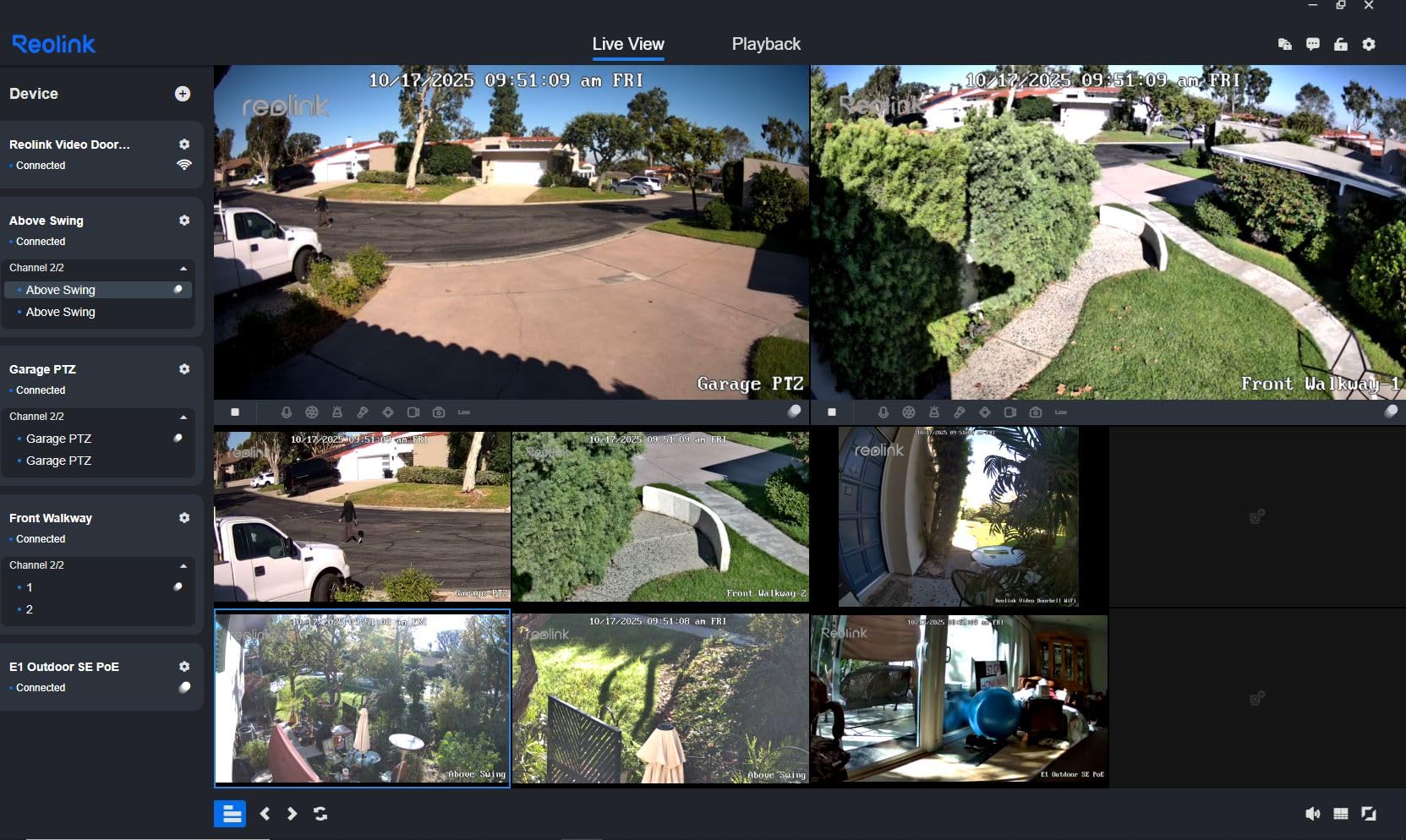
This is the camera we recommend to most people, and the reason is the review count rather than the specification sheet. At 1,350 ratings averaging 4.4 stars, owners have tested it in rain, snow, and dark driveways and kept reporting the same thing: plates stay readable out to about 125 feet.
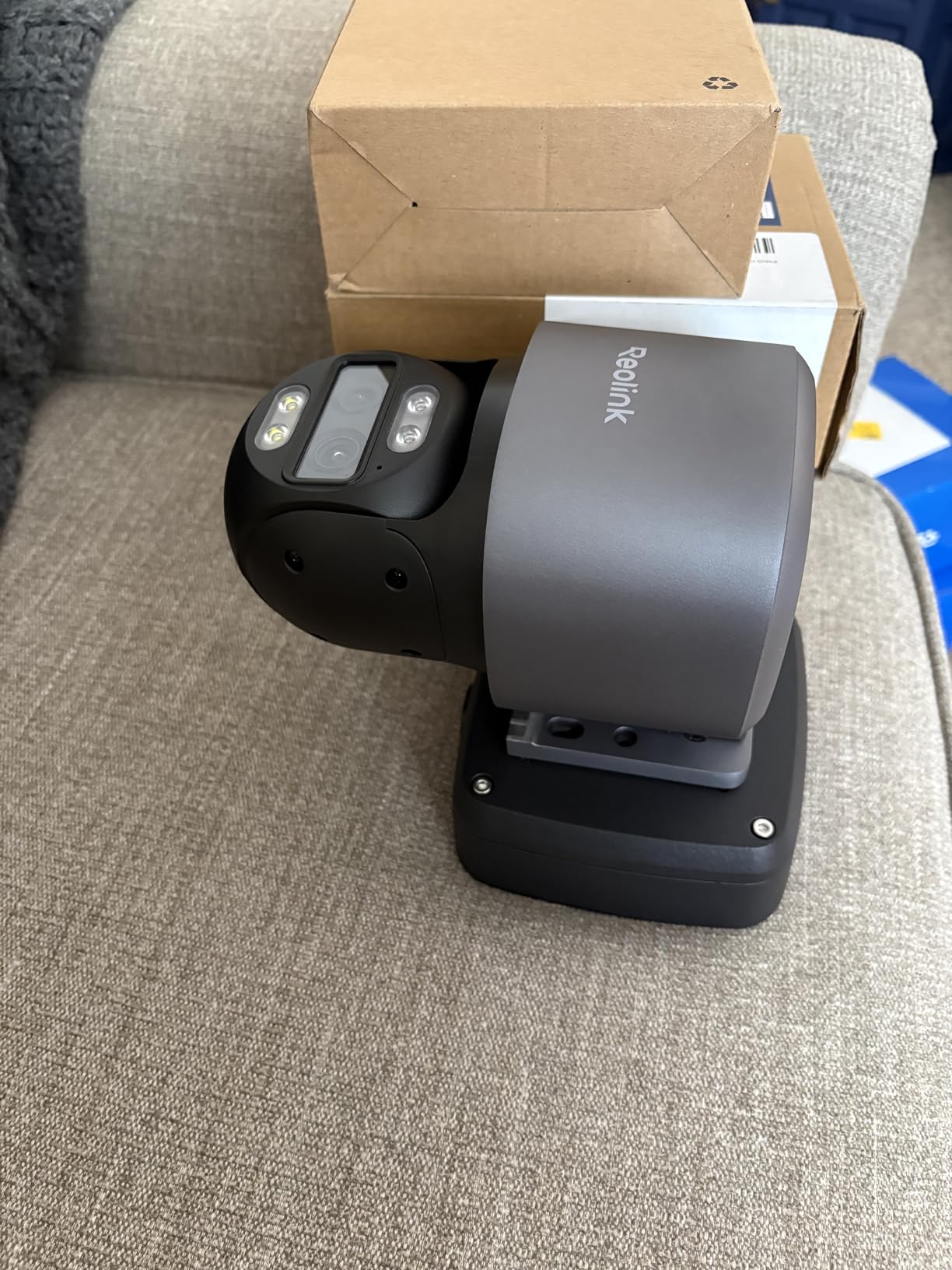
The dual-lens design is the practical trick. A 2.8mm wide lens and an 8mm telephoto run at the same time, so you get a full view of the driveway and a zoomed view of the same scene without switching modes or losing recording.
Storage is entirely local. A 512GB microSD card, a Reolink NVR, FTP, or NAS all work with no subscription attached, and Home Assistant and Blue Iris integration means the footage lands in the tools you already use.
Auto tracking handles the follow-up for you. With person, vehicle, and pet detection across 355 degrees of pan and 90 degrees of tilt, a car pulling up unattended gets framed without anyone watching the feed live.
What you should check before buying
Think about where it mounts. Mounted low, the wide lens gives a limited view of the ground near the base, so a post at 6 to 8 feet clears vehicles better than a low soffit mount.
Test the 8mm telephoto channel at your actual driveway length before committing. Owners are candid that the zoom channel is close to a digital crop of the main sensor, so expectations matter more than the 6X zoom figure suggests.
Where it falls short
There is no true optical telephoto and the two lenses switch with a short delay, which matters if a vehicle crosses from one side of the frame to the other while turning.
The plastic housing is a fair criticism for a camera that lives outdoors year round, and the white LED spotlight can trigger off insects and rain. Night person detection is weaker than the day behavior, so lean on vehicle detection for alerts.
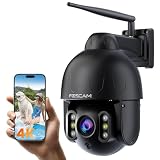
9. FOSCAM SD8P – Best for a Wireless Driveway
FOSCAM 4K/8MP Security Camera Outdoor, 4X Optical Zoom AI Human/Vehicle Detection,165FT Color Night Vision, 120dB Siren, IP66
4K 8MP
True 4X optical zoom
165ft color night vision
Dual-band WiFi
IP66 aluminum
Pros
- True 4X optical zoom rather than digital crop
- 165ft color night vision with DOL-WDR
- Aluminum housing instead of plastic
- Dual-band 2.4 and 5GHz WiFi
- ONVIF works with Blue Iris and third-party NVRs
Cons
- WiFi dropouts that need a physical reset
- Auto tracking depends on the cloud service
- Support is email only and slow
- Spotlight LEDs trigger off rain and insects
Every other dedicated LPR camera here runs on PoE ethernet, which means cable. This one runs on dual-band WiFi, which means no trenching, no injector, and no PoE switch, and for a driveway on a detached garage or a rental where drilling is off the table, that changes the decision entirely.
The optics are the surprise. A true 4X optical zoom at 4K resolution is a different mechanism from the Reolink dual-lens approach, and it holds up better for a narrow target because it is magnifying real pixels the whole way.
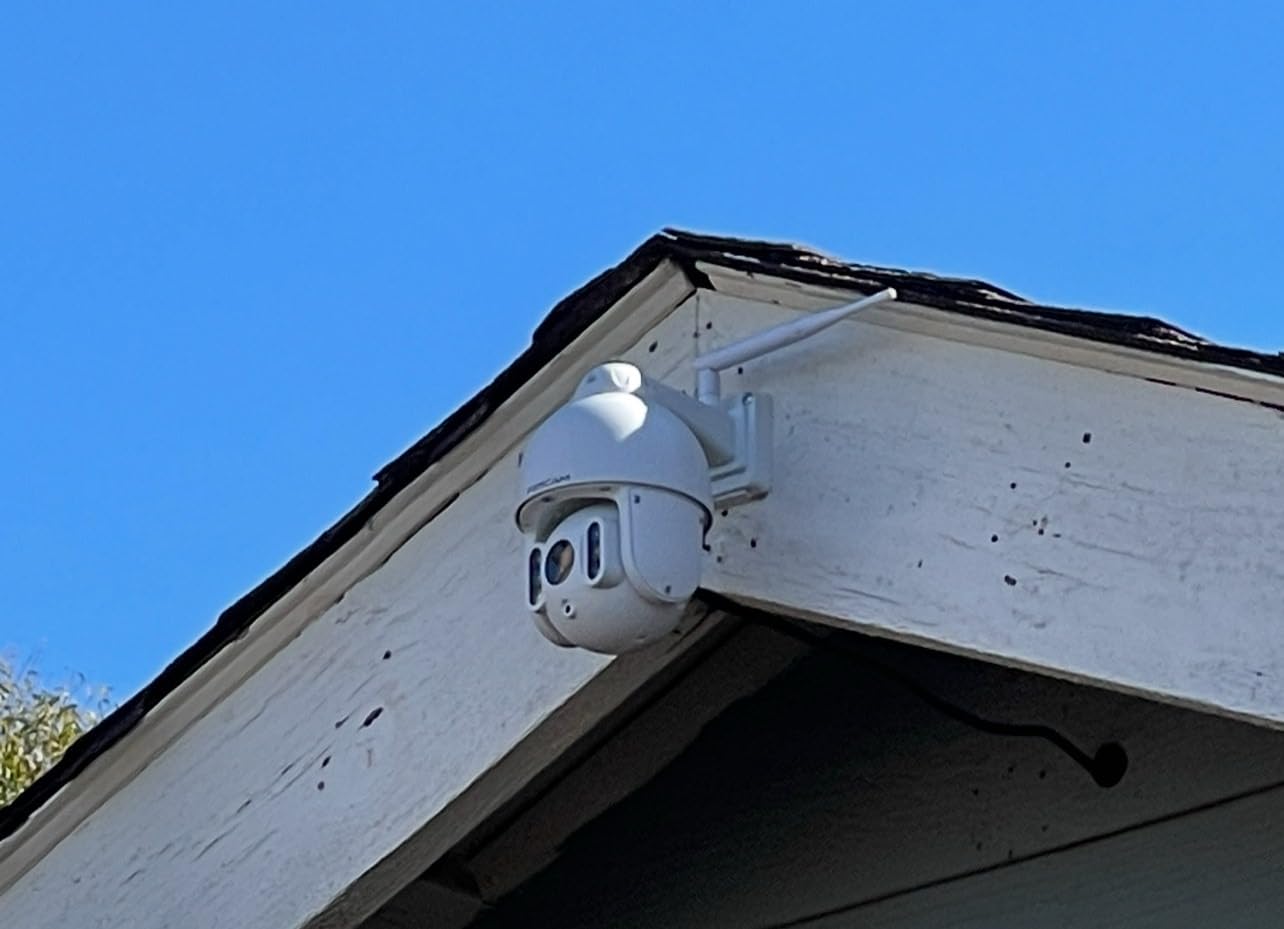
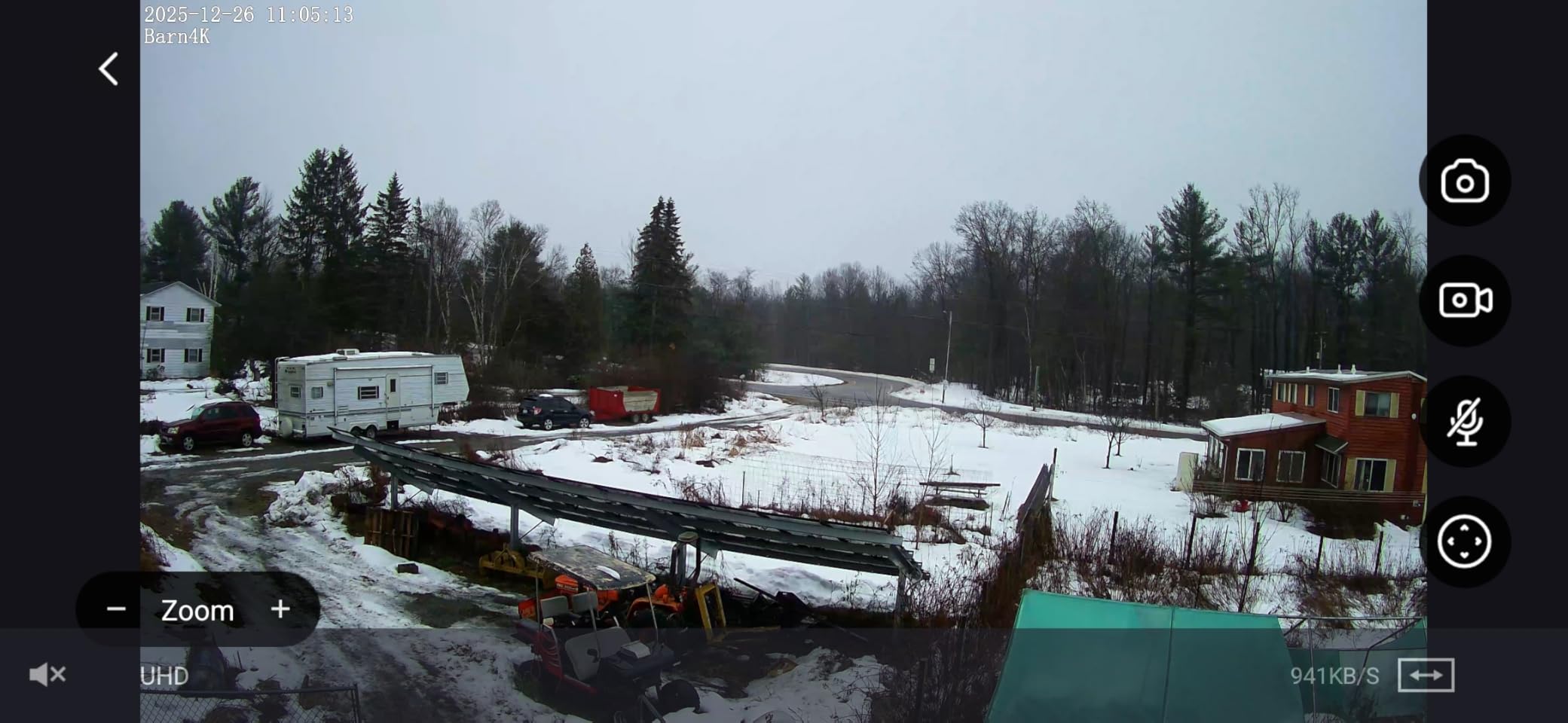
Night performance is handled by 165 feet of color night vision using DOL-WDR, plus spotlights and IR LEDs. Color rather than monochrome night footage makes it easier to spot a vehicle color later when you are scanning through clips.
It also plays well with third-party software. ONVIF compatibility means it works with Blue Iris and other NVRs, and there is AES256 encryption with no mandatory cloud subscription.
What you should check before buying
Measure the signal at the camera, not at the router. A driveway is often the worst-covered spot on a property, and this camera’s main weakness is WiFi stability rather than optics.
Ask what happens when the network drops. Owners report needing to climb a ladder and physically reset the unit when it goes offline, so plan for a mount that is easy to reach.
Where it falls short
Auto tracking runs through the cloud service, so it is one of the features most likely to behave differently than advertised. Plan around manual zoom and motion zones instead.
Some users report SD card timelines that fail to appear in the app or in Blue Iris, and the zoom motor is slow. If evidence capture matters more than installation convenience, a wired camera is the steadier choice.
10. Reolink OMVI 3i PoE – Premium Triple-Lens Coverage
REOLINK OMVI 3i PoE Triple-Lens PoE Security Camera with Auto Tracking
10MP panoramic plus 8MP PTZ
18MP combined
SyncTrack auto tracking
PoE
2-year warranty
Pros
- Panoramic lens detects while PTZ lens zooms in
- 18MP combined resolution across two sensors
- Dual-screen view shows scene and close-up at once
- 625 reviews at 4.2 stars
- Metal housing with IP66 and a 2-year warranty
Cons
- Needs NVR firmware 3.6.4 for full PTZ view
- 20fps frame rate is modest for moving vehicles
- PTZ zoom is digital rather than optical
- Costs more than the dual-lens TrackMix
The idea behind this camera solves a real driveway problem. A 180-degree panoramic module watches the whole approach and detects movement, then a separate 8MP PTZ module with an 8mm lens zooms in and follows, handing off automatically through what Reolink calls SyncTrack.
You get both views on screen at the same time. The wide feed tells you a car arrived, and the close-up feed shows you the plate, without scrubbing through footage to find the moment.
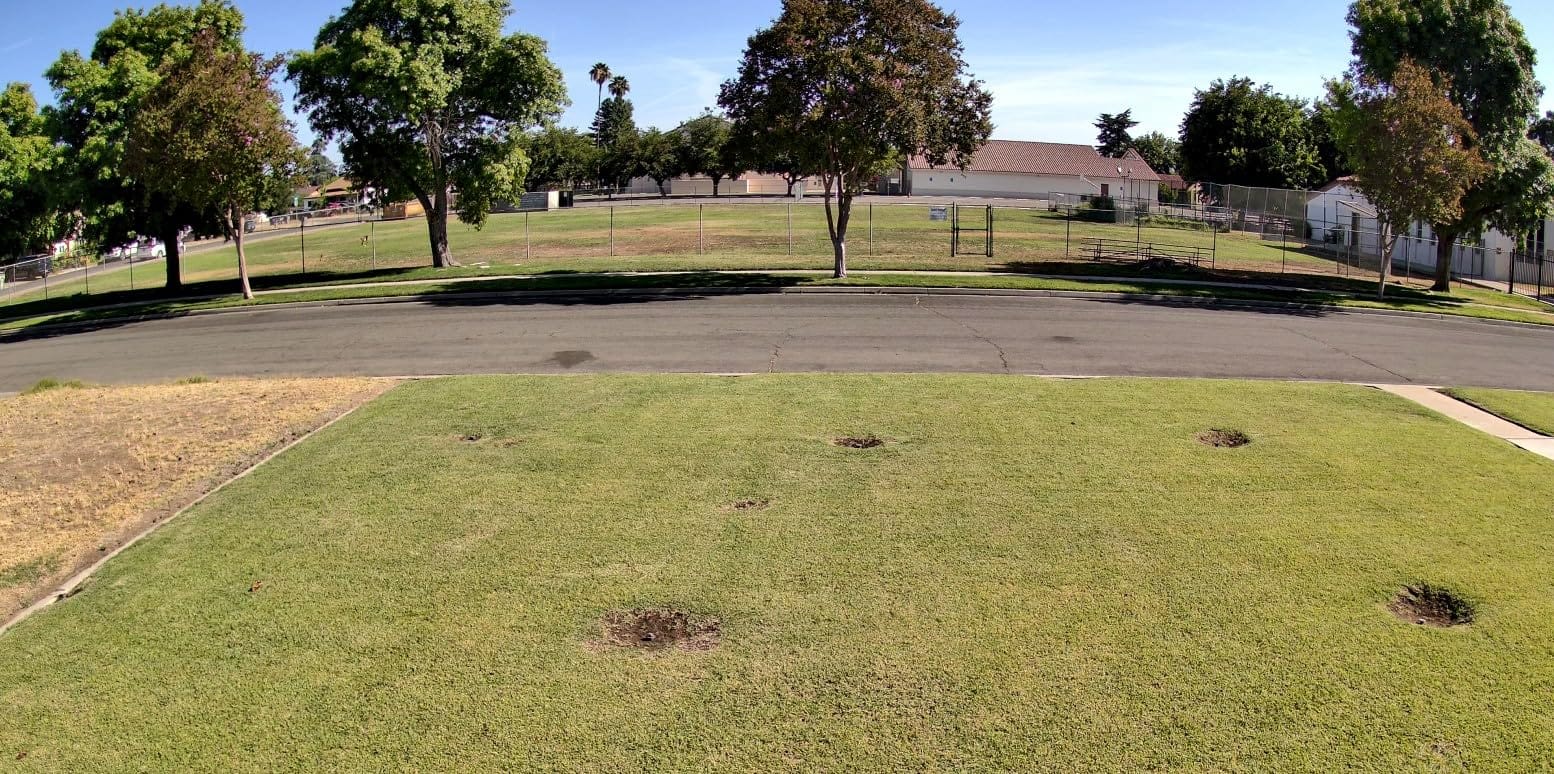
Everything is local: microSD up to 512GB, a Reolink NVR, FTP, or NAS, with no subscription. AI detection covers person, vehicle, and animal, and perimeter protection lets you draw virtual fences along the driveway edges.
The catch is the requirement chain. Full PTZ view needs NVR firmware 3.6.4 or later, and the dual-screen layout needs client version 8.21 or later, so this is a camera for a system you are already running rather than a first camera.
What you should check before buying
Check your NVR and client versions before you buy, and be honest about whether you need the panoramic layer. If you only need one camera aimed at the driveway, the TrackMix covers it for less.
Consider whether 20fps is enough for your road. It is fine for slow entry at a gate, and thin for a vehicle entering fast off a street.
Where it falls short
The PTZ module zooms digitally rather than optically, which puts a ceiling on how far you can resolve a plate from a great distance. For plate work, the dedicated telephoto bullets still hold the edge.
The housing is large, setup has a real learning curve, and it is PoE only with no wireless option. Over 625 reviews, the most common complaint is not performance but how much configuration the full feature set demands.
Where to Mount a License Plate Camera on Your Driveway
Mount height is the setting people get wrong most often, and mounting too high is the single biggest cause of unreadable plates. A camera on a soffit or roof edge looks down at a steep angle, which foreshortens the plate into an unreadable trapezoid. The workable range is 6 to 8 feet off the ground on a post or a low wall mount.
Aim for a 30 to 45 degree downward angle. Steeper than that and you lose the plate; flatter and a car’s roof blocks it from the viewer’s side. Mounting on a ground-level post among landscaping also works well, since the shallow angle flattens the plate instead of compressing it.
Distance decides your lens. The dedicated units here publish a 23 to 98 foot ANPR window, which maps neatly onto a standard driveway. If you need to read a plate at the far end of a 150-foot drive, you want the long end of a 32mm lens fully zoomed and a supplemental IR light to cover the gap.
Point the camera at the part of the driveway where vehicles slow, not at the curb. A gate, a stop sign, or the apron where a car turns gives you a longer dwell time and less motion blur than the street entrance itself.
If you already run a driveway alert system and want a second layer that identifies vehicles rather than just alerting you, our guide to driveway alarm systems for rural homes covers the sensing side of the same problem.
Settings That Decide Whether a Plate Is Readable
Shutter speed is the number to set first. Aim for 1/500s or faster on any vehicle that will move more than a few feet per second. Slower shutter settings are the reason a clip shows a recognizable car with unreadable characters.
Then fix exposure and backlight. Plates are retroreflective and return IR light straight back at the lens, so a plate can be brighter than the road around it by a wide margin. Backlight and highlight compensation plus wide dynamic range keep the characters from turning into a white block under headlights.
IR intensity needs a real test at night. Too much and you get the classic white flare that ruins every plate in the frame. Too little and the plate goes dark while the driveway stays visible. Run a vehicle through after dark and adjust until the characters have dark centers and bright borders, which is what a readable reflective plate looks like.
Set a region of interest around the driveway apron so motion zones ignore the street and neighboring yards. Otherwise your alerts fill with passing traffic and bumper stickers that look like plates from a distance.
If you run Frigate, Home Assistant, or Blue Iris on the receiving end, the same exposure and shutter discipline applies there, because most NVR software re-encodes the stream you send it. Owners building on open-source tools report the best results from regular cameras plus software recognition rather than a dedicated LPR unit.
Which Camera Fits Your Driveway Shape
Short driveway with a near curb. Camera height matters more than lens reach. A dual-lens PTZ like the TrackMix or the FOSCAM gives you the whole approach in one unit with no lens math, and both stay well inside a 40-foot capture.
Long driveway past 100 feet. You need the telephoto end of an 8-32mm lens and an IR light mounted off-axis. The TrackMix reaches roughly 125 feet in owner reports, and the Anpviz or CMIP models publish an ANPR window up to 98 feet with far greater night IR reach.
Angled entry where the car turns sharply. Shutter speed becomes the limiting factor, not lens. Slower turns create motion blur, so pick a camera that offers 60fps, which narrows the field to the 4MP models with a high-frame-rate mode.
Shared driveway with a neighbor. Two things matter. First, a narrow field of view reduces how much of your neighbor’s property you capture, which is also the privacy answer. Second, a local-storage camera with no cloud subscription keeps your footage on your own hardware.
Gate entry with an access controller. Go for on-camera embedded analytics rather than CMS-dependent software, and check for Wiegand output. The Vivotek fits that description, and the 06AI kit works if you want a self-contained post with a local display.
For a property without a reliable power or network run to the driveway, a wireless camera on solar can cover the gap, though our picks on solar security cameras for off-grid cabins lean toward general coverage rather than plate capture.
How to Choose a Driveway Camera That Reads Plates
Buy the lens before anything else. A wide-angle camera with a digital zoom will never read a plate at distance no matter how many megapixels sit behind it. Look for a varifocal or motorized telephoto lens with a 12mm or longer telephoto end, and treat 8-32mm as the ideal range.
Resolution matters second, and 4MP is the practical floor for driveway work. The two units in this group at 2MP are usable for close range, but characters thin out as soon as a car stops filling the frame.
Wide dynamic range and infrared reach decide night performance. Anything under 100dB WDR will struggle with headlights, and IR distance is worth comparing carefully because it tells you how far the camera can light a plate before it turns into noise.
Storage and software come next. Local options such as microSD, NVR, FTP, or NAS keep costs flat, and ONVIF support keeps your recorder choice open. Cloud plate recognition adds a recurring fee and moves your footage off site.
Installation is the last factor, and it is often the biggest one. A long PoE run needs buried conduit or a plan for cable routing, while a wireless camera trades that for connection reliability. If the driveway sits far from the house, plan the cable run before you choose the model.
One legal note. Pointing a camera at your own driveway from your own property is generally straightforward, but a lens that sweeps a public street captures plates of people who never entered your property. Keep the field of view as narrow as the plate task allows, and check your state rules before adding any audio recording.
Frequently Asked Questions
What are license plate cameras?
License plate cameras, usually called LPR or ANPR cameras, are security cameras built specifically to capture readable plate images. They combine a telephoto varifocal lens, a fast shutter speed, and wide dynamic range with infrared illumination tuned so reflective plate paint stays legible at night.
How far away can a security camera read a license plate?
It depends on the lens, not the brand. Most dedicated LPR bullets on the market publish a recommended ANPR distance of roughly 23 to 98 feet with an 8-32mm lens. Dual-lens 4K PTZ cameras have owner reports of plates readable out to about 125 feet. Resolution alone does not extend that range.
What type of CCTV camera can read number plates at night?
A bullet camera with a motorized telephoto lens, wide dynamic range of 100dB or more, and IR range beyond your driveway length. The key variable at night is IR intensity: too much turns retroreflective plates into a white flare, too little leaves characters dark. Test with a real vehicle after dark.
Do license plate camera blockers really work?
For a driveway camera, blockers and sprays are unreliable. Most aim at reducing glare or obscuring characters, but a good LPR setup with WDR and correct IR tuning usually still recovers the plate. Treat them as a deterrent rather than a security measure.
Can you have a camera in your driveway facing a street?
Yes, and a driveway that meets the street is the normal case. Cameras on your own property generally fall under normal privacy expectations, but a lens that captures plates of passing traffic still involves other people, so keep the field of view as narrow as the plate task allows and check your local rules before enabling audio.
Do I need a special camera for license plates?
You do not need a dedicated LPR camera, but you do need a telephoto lens and a fast shutter. A 4K dual-lens PTZ or a 4MP camera with a 2.8-12mm lens plus software recognition can work well. What will not work is a fixed wide-angle camera with digital zoom.
Final Verdict for Driveway Plate Capture
For most homes, the Anpviz IPC-B7842WD-4X-LPR-32 is the best driveway security camera for license plates: an 8-32mm motorized lens, a published ANPR range that matches a normal drive, and real owner history behind it. If you want the best value and the deepest owner record, the Reolink TrackMix PoE does the same job with dual lenses and no subscription.
Mount either at 6 to 8 feet, aim 30 to 45 degrees down, set the shutter to 1/500s or faster, and tune IR intensity with a real car after dark. Those four settings decide more about plate readability than any brand on the box. Check the current details for your pick before you order.