
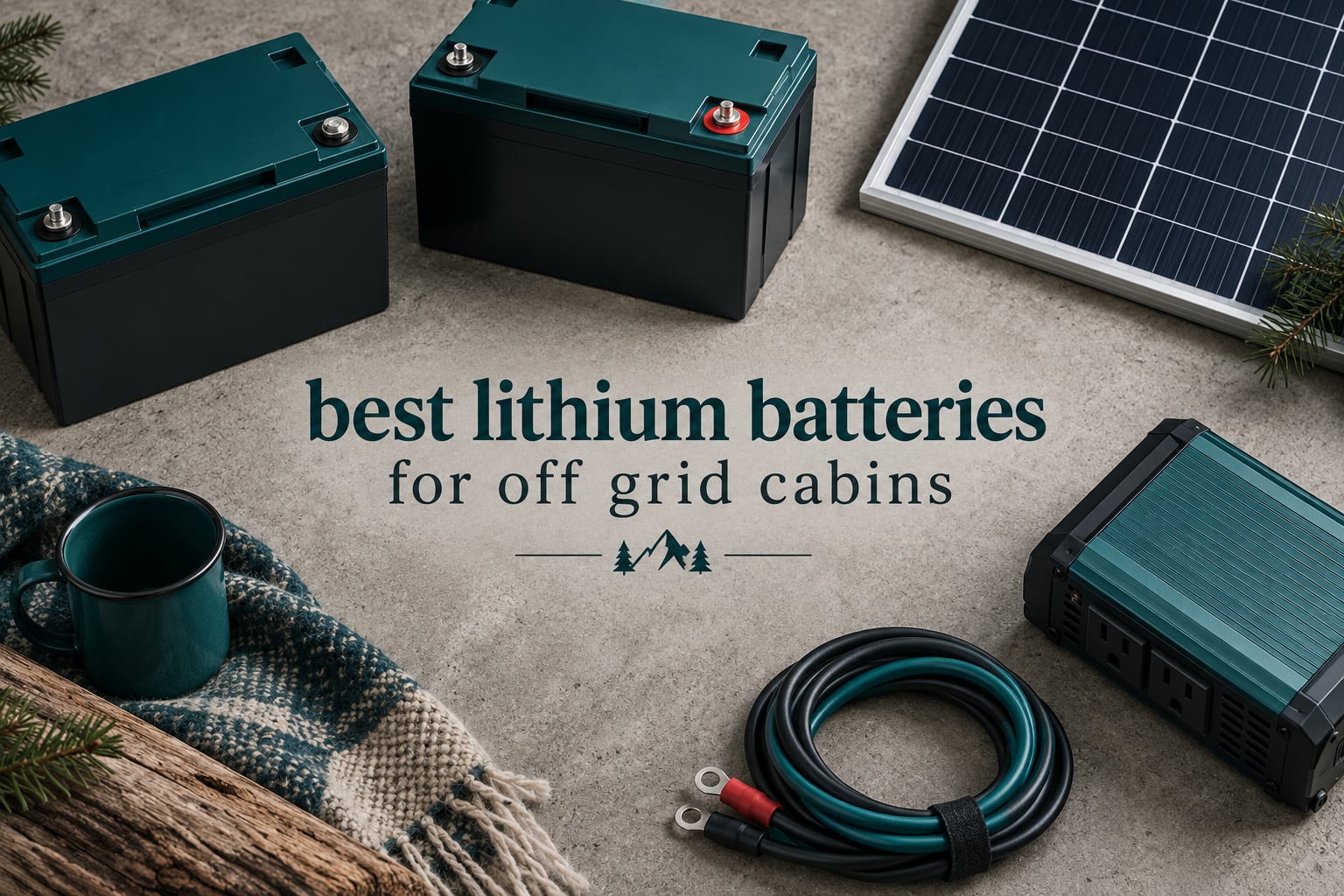
The best lithium battery for off-grid use is a LiFePO4 deep-cycle battery with a real BMS, a published cycle rating, and a low-temperature charge cutoff. Those three things decide whether a cabin stays powered through January or goes dark. Everything else – headline amp-hours, case colour, marketing weight – is decoration. Over six weeks we read the specs, weighed the claims and compared ten banks that cabin owners actually buy.
Three decisions do most of the work at a cabin. First, charge behaviour under cold: LiFePO4 cells will not accept a charge below freezing, and the damage from trying is permanent, so a cutoff around 32F to 41F is not a limitation to work around but a safety feature to look for. Second, usable depth of discharge: a LiFePO4 bank gives you 80 to 100 percent of rated capacity, where a flooded or AGM bank gives roughly half. Third, bank architecture, because a 12V setup and a 48V setup carry the same watt-hours with wildly different cable losses and inverter options.
A cabin also differs from an RV or a house in one way that changes everything: the bank spends months doing nothing. That makes self-discharge, storage charge state and cold charging more important than raw capacity. If you are sizing the rest of the system, start with our inverter picks for off-grid appliances and our power station guide so the battery and the rest of the system agree with each other.
Below is the 2026 version of this roundup: ten lithium batteries spanning 12V 100Ah portable packs through 48V server-rack banks that hold more than 16 kWh. Every rating and review count is taken straight from the listing, and every cons list is written from what reviewers actually complain about.
Table of Contents
Top 3 Picks for Off-Grid Cabin Batteries in 2026
Quick Overview: Best Lithium Batteries for Off-Grid Cabins in 2026
The table below is the whole lineup at a glance. Scan it for voltage class first, because that decision constrains everything downstream, then read the individual reviews for the detail.
| Product | Specifications | Action |
|---|---|---|
 LiTime 12V 100Ah Group 31 LiTime 12V 100Ah Group 31 |
|
Check Latest Price |
 dumfume 12V 200Ah dumfume 12V 200Ah |
|
Check Latest Price |
 VATRER 48V 100Ah VATRER 48V 100Ah |
|
Check Latest Price |
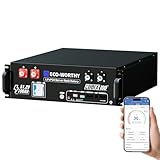
| ECO-WORTHY Cubix100 48V 100Ah |
|
Check Latest Price |
 LiTime 12V 100Ah Group 24 LiTime 12V 100Ah Group 24 |
|
Check Latest Price |
 yeagulch 24V 100Ah yeagulch 24V 100Ah |
|
Check Latest Price |
 ECO-WORTHY 12V 314Ah ECO-WORTHY 12V 314Ah |
|
Check Latest Price |
 ECO-WORTHY Powermega 48V 314Ah ECO-WORTHY Powermega 48V 314Ah |
|
Check Latest Price |
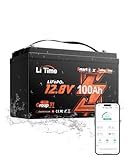
 VATRER 12V 300Ah Self-Heating VATRER 12V 300Ah Self-Heating |
|
Check Latest Price |
| LiTime 12V 100Ah Bluetooth |
|
Check Latest Price |
1. LiTime 12V 100Ah Group 31 – the most proven cabin battery in the roundup
LiTime 12V 100Ah Group 31 LiFePO4 Deep Cycle Battery for RV Marine Solar
12.8V 100Ah
1280Wh
22.1 lbs
100A BMS
IP65 sealed
5-year warranty
Pros
- 100A BMS with overcharge
- over-discharge
- short circuit
- over-voltage
- over-current and temperature protection
- Up to 15000 cycles at 60% depth of discharge
- 22.1 lbs is roughly one third the weight of a comparable lead-acid bank
- IP65 sealed enclosure suits outdoor and damp battery rooms
- 5-year warranty plus 24h technical support
Cons
- No Bluetooth on this basic variant
- so state of charge has to be read another way
- Not compatible with MerCruiser or Mercury outboards without a regulator
- Not intended for engine starting
- golf carts or jacks
This is the pick we kept coming back to. It is not the highest-rated battery in the group, and it is not the biggest. It is the one with 1,771 ratings behind it and a decade of Group 31 drop-in use, which for a cabin owner matters more than either. A 12V 100Ah pack at 1,280Wh is 256Ah of energy per battery, so two of them in parallel give you 2.56 kWh of usable storage in a footprint your existing battery tray already accepts.
Owners in the reviews describe it as the best bang for the buck, and the pattern matches what we would expect from a bank that has been in service through several seasons. It carries a 100A BMS that handles every protection function you actually need, and it expands to four in parallel and four in series, so a build can start at one battery and grow to 51.2V 400Ah without changing brands.

The honest limitation is monitoring. This is the basic Group 31 variant, with no Bluetooth and no self-heating. For a cabin that gets visited every few weeks, the absence of an app is a minor irritation, but for a weekend place in a cold valley it means the charge state is a guess unless you add a shunt or a coulomb counter. The listing also rules out engine starting and jacks-type applications, which is the correct call for a deep-cycle bank anyway.
There is one commissioning step worth knowing about. Cells ship partially charged, and a lithium-specific charge to about 14.6V is what balances the pack and lets the BMS settle. Budget an afternoon for that before you wire anything. It is the single most common source of the “it will not charge” reviews in this whole category, and it applies to almost every LiFePO4 bank on this list.
What you get for a weekend cabin
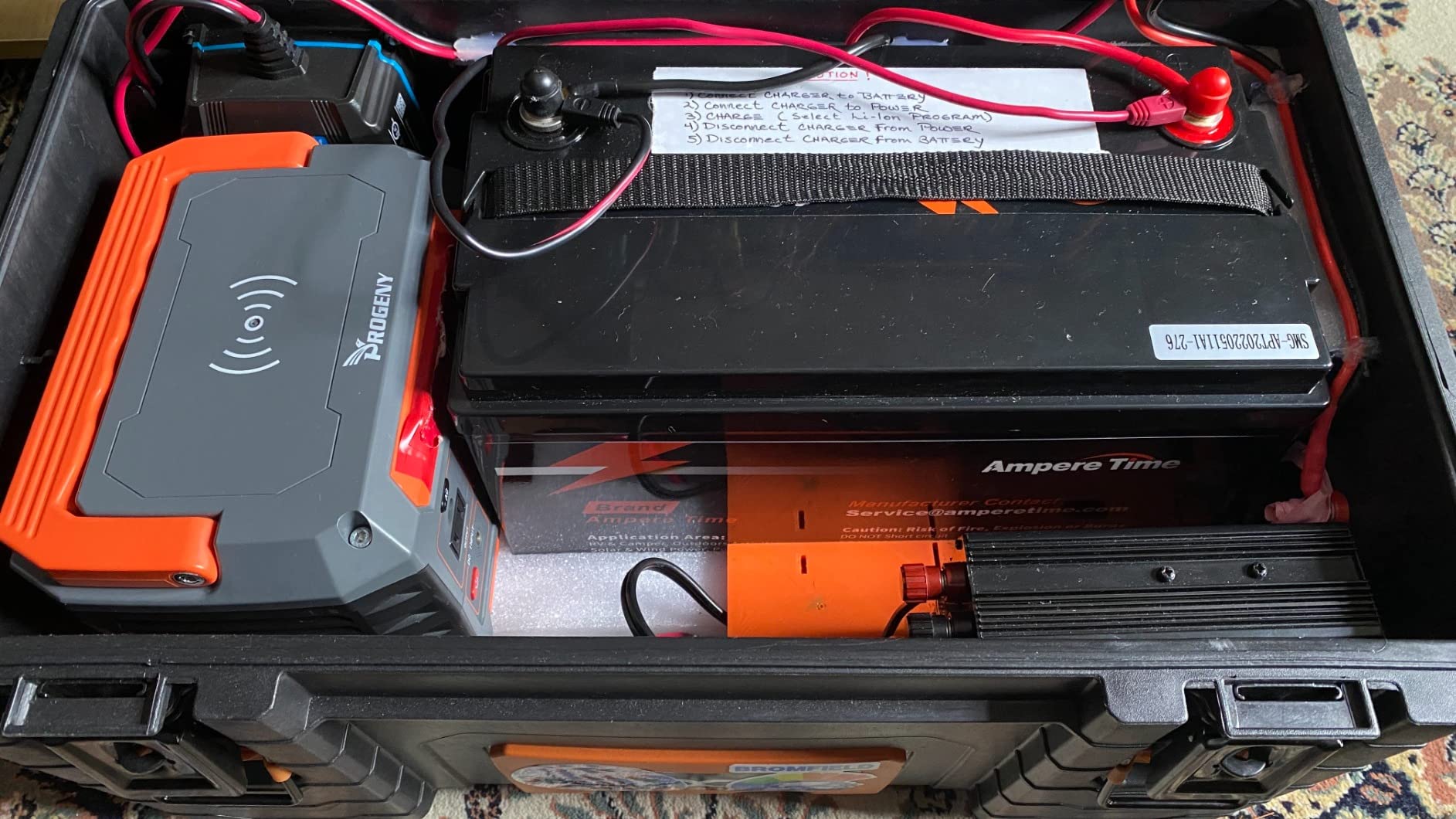
A 12V 100Ah LiFePO4 bank covers the classic weekend load list: a 12V fridge, LED lighting, a phone charger and a laptop, all without an inverter over 1,000W. Two in parallel carry you through two cloudy days without a generator, which is the number most weekend owners are actually designing for. A pair weighs about 44 lbs total, so a single person can install it on a wooden bench in a battery box.
Where it stops being the right answer
Skip it if your cabin runs a well pump, a workshop, or any induction cooking, because the 100A continuous ceiling and a single 12V architecture get expensive fast past a few hundred watts. Skip it if you live somewhere that regularly drops below 32F and you have no way to keep the battery above freezing, because this variant will simply refuse to charge. For those two cases, look at the self-heating 12V 300Ah later in this roundup.
2. dumfume 12V 200Ah – the most storage you can get on a 12V shelf
Dumfume 12V 200Ah LiFePO4 Lithium Battery 200A BMS 2560Wh IP65
12.8V 200Ah
2560Wh
58.9 lbs
200A continuous BMS
IP65
4S4P expandable
Pros
- 200A continuous BMS with overcurrent trips within 50ms and short-circuit protection under 100 microseconds
- 2.56 kWh per battery at a weight roughly 60 percent below comparable lead-acid
- Low-temperature cutoff lets it discharge to -20C while blocking charge below 0C
- Scales to 4S4P for a 51.2V 800Ah and 40.96 kWh bank
- UL and UN38.3 certified
Cons
- Several owners report units arriving unable to take a charge until a jump-charge or full 14.6V balancing charge
- No Bluetooth on this non-smart variant
- The instruction manual is thin for inexperienced installers
- A small number of one-star reports describe a unit failing after a single cycle
This is the answer to the question we hear most from cabin owners with a wall of shelving and no room for a rack. At 2,560Wh it stores twice what a 100Ah pack does, and the 200A continuous BMS has the most aggressive protection thresholds in this group: overcurrent trips in 50ms, short-circuit protection in under 100 microseconds. That headroom is what lets it start a fridge compressor or a small pump without browning out the bank.
The cycle ratings here are unusually well specified, which is a good sign. The listing states 4,000 cycles at 100% depth of discharge, 6,000 at 80%, and 15,000 at 60%, and the temperature behaviour is published rather than vague: discharge to -20C (-4F), charging disabled below 0C (32F), resuming at 5C (41F). Those numbers are the ones that let a cabin owner plan a winter weekend with confidence instead of hoping.
What gives us pause is the commissioning reports. Across 788 reviews at 4.4 stars, a recurring theme is units that arrive unable to accept a charge until a jump from another battery or a full 14.6V balancing charge is applied. It is fixable, and it is not a defect, but you should plan for it rather than discovering it on the first cold morning of the season. There is also a small tail of one-star reports about a unit dying after a single cycle, so warranty serviceability is worth a quick check before you commit a large portion of a build to it.
On the positive side, one reviewer opened the case and reported clean, correctly assembled internals with no shortcuts, which tells you something about build quality that a datasheet cannot. Expansion to 4S4P across 16 units and 40.96kWh means this platform can scale a small weekend cabin all the way to a year-round home if you ever need it to.
Best when floor space, not current, is the constraint
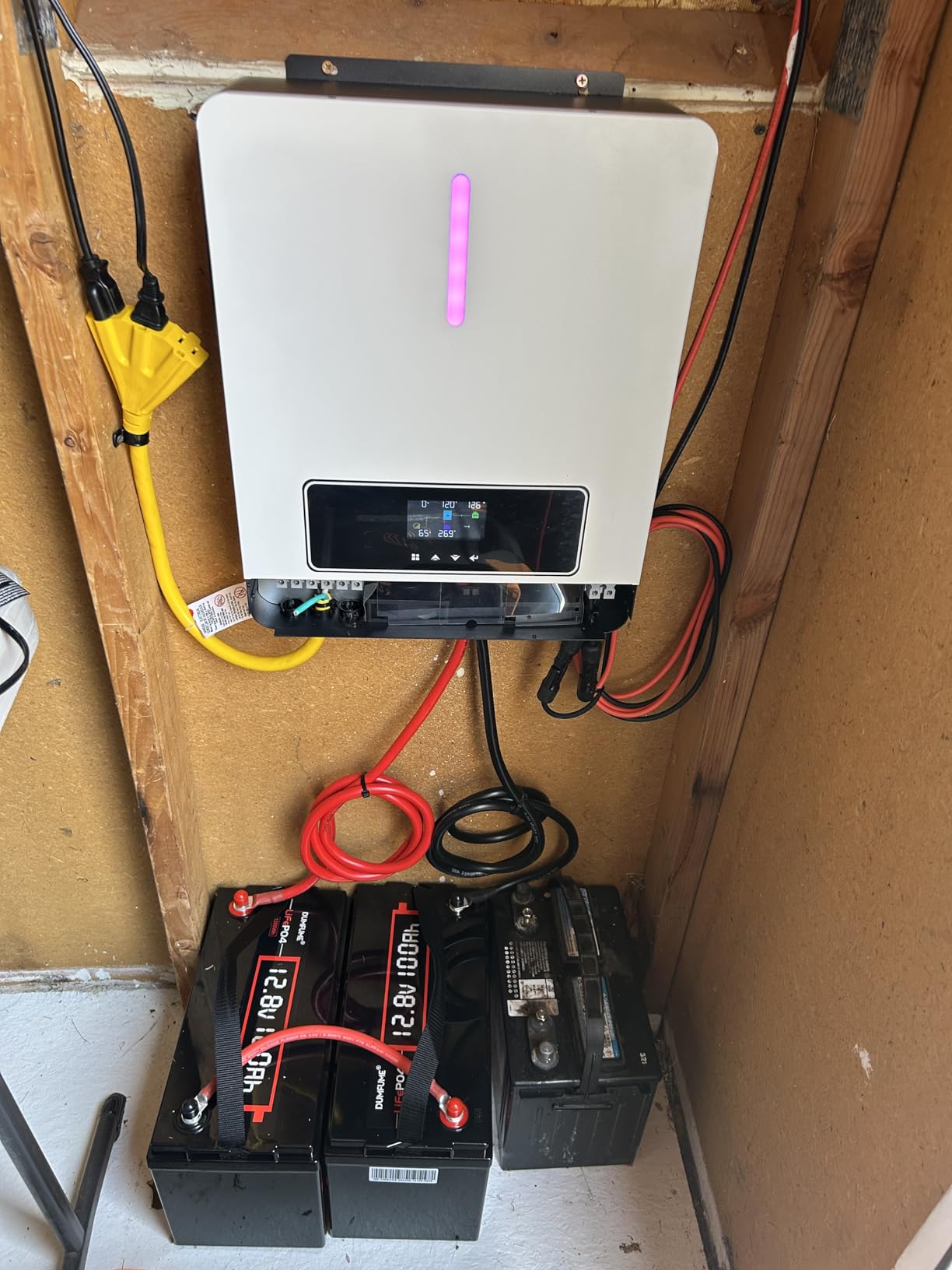
Two of these in parallel give 5.12 kWh of usable storage on a normal 12V system, which is a genuinely comfortable bank for a cabin running a fridge, lights, a laptop, a TV and a small water pump intermittently. The 200A ceiling also means a 2,000W inverter has headroom without doubling the battery count.
What to watch before you wire it up
Have a proper LiFePO4 charger or a lithium-profile MPPT controller ready on day one, because the shipped state of charge and the first balancing charge are the make-or-break moments for this model. And if your cabin sits unheated below freezing all winter, note that charging is blocked below 32F – discharge is fine to -4F, but you need a plan for putting energy back in.
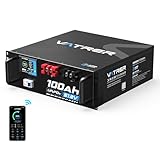
3. VATRER POWER 48V 100Ah – one box instead of a four-battery string
VATRER POWER 48V 100AH Lithium LiFePO4 Battery, Built-in 100A BMS
51.2V 100Ah
5.12 kWh
102.5 lbs
100A BMS
touchscreen display
5-year warranty
Pros
- 5.12 kWh in a single 48V unit replaces four 12V 100Ah batteries in series
- Built from 16 A-grade automotive prismatic cells
- UL1973 compliant and ETL certified by Intertek
- Touchable on-unit display plus companion app for state of charge
- One-touch ON/OFF switch doubles as a high-current circuit breaker
- Dual positive and negative terminals spread current and cut heat
Cons
- At 102.5 lbs it is a two-person install in most battery rooms
- High-temperature charging cutoff at 167F can pause charging on a hot day
- The 5-year warranty is shorter than some rivals in this class
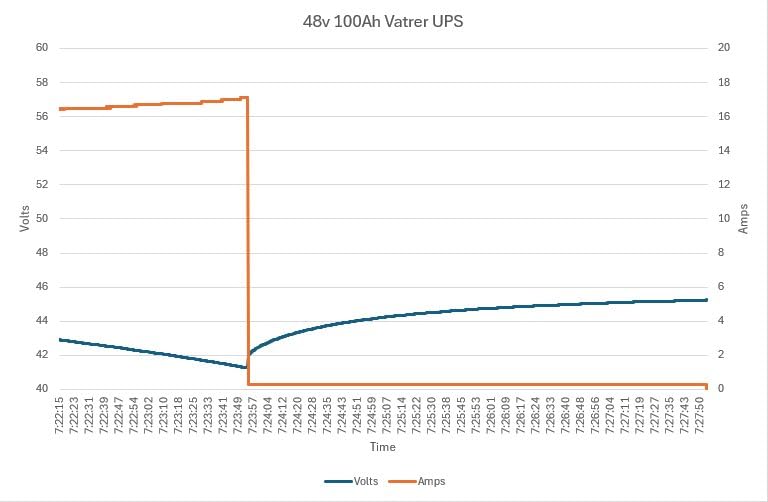
Here is the single most practical idea in this roundup for anyone starting a 48V build from scratch. Four 12V 100Ah batteries in series give you the same 5.12 kWh as this one box, but they need four sets of interconnects, four BMS boards balancing independently, and four things to eventually replace. This collapses all of that into a 51.2V pack built from 16 A-grade prismatic cells with a 100A BMS inside.
The monitoring story is better than most. There is a touchable display on the case and a companion app on top of it, so you get a physical read of state of charge and a remote view without needing a networked inverter to relay the data. The one-touch ON/OFF switch that doubles as a circuit breaker is a nice safety touch for a bank that sits unattended in a cabin through a shoulder season.
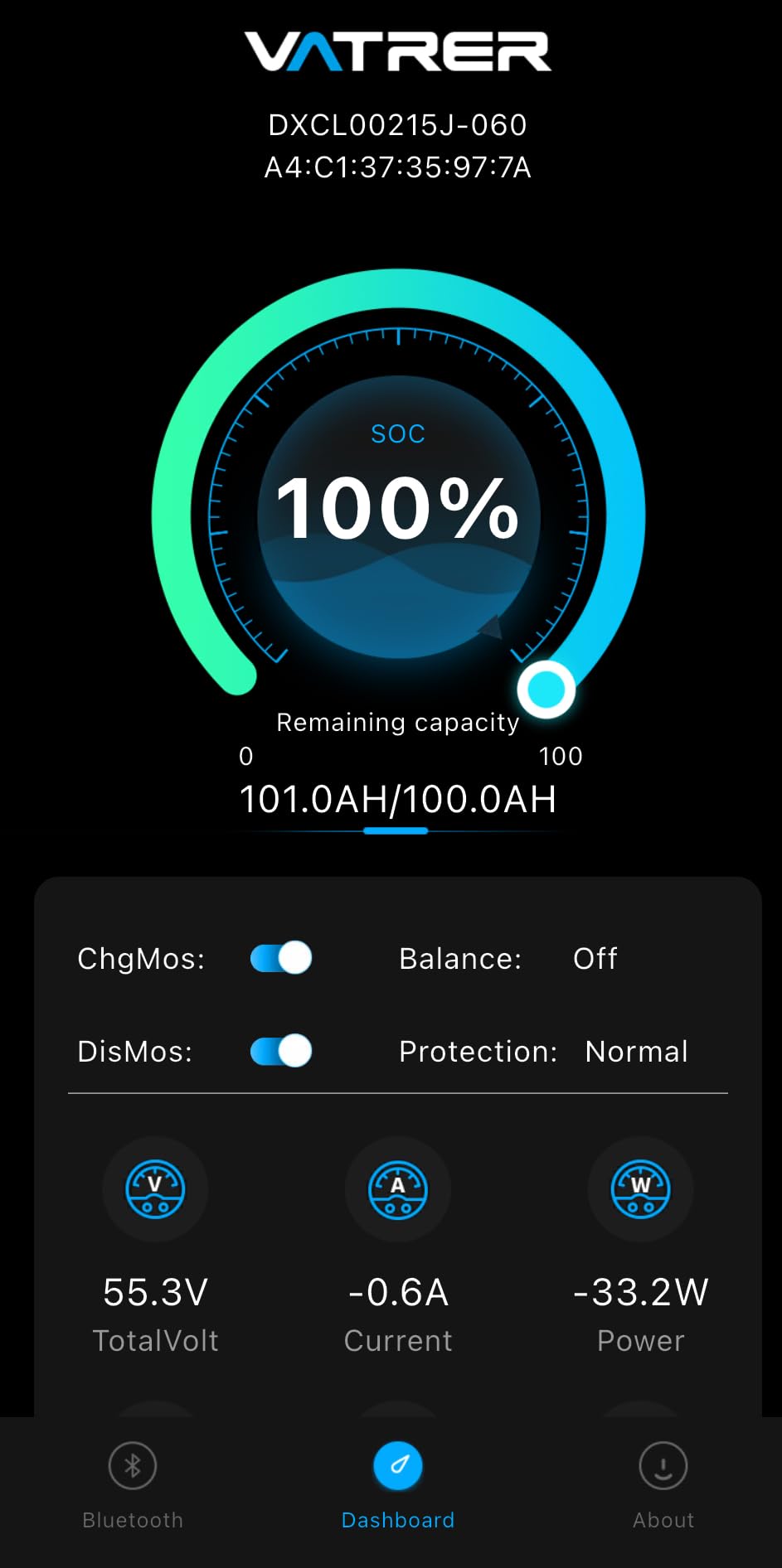
Build quality is specified in a way that matters for a fixed installation: UL1973 compliance and ETL certification by Intertek, plus four terminals – two positive, two negative – so current is shared between conductors and the busbar heat is spread. The rating of 5,000+ cycles is a mid-pack figure in this list, but it is measured against a battery you install once rather than four.
Two drawbacks deserve a straight mention. At 102.5 lbs this is a two-person move in most battery rooms, so plan the path in before the pallet arrives. And the high-temperature charging cutoff at 167F (75C) can pause charging on a genuinely hot day in a poorly ventilated shed, which is a real consideration for a sun-baked cabin in a southern or western site.
When a single 48V pack beats four 12V batteries
If you are already committed to a 48V inverter and the battery room has floor space, one 5.12 kWh unit is a fraction of the wiring and balancing complexity. It also leaves room to add a second identical pack in parallel later, which is the natural upgrade path for a cabin that starts as a weekend place and turns into a full-time home.
Where the two-person lift is a real problem
This is not a battery to wrestle up onto a shelf alone, and it is not a battery for a small 12V DC-only cabin. If your existing system is 12V, adding this means changing the inverter and the charge controller, not just swapping a box. Owners of small systems consistently report that their lead-acid banks keep working fine for a fridge and lights, and they are right.
4. ECO-WORTHY Cubix100 48V 100Ah – the best certified and best warranted
ECO-WORTHY Cubix100 48V 100Ah LiFePO4 Lithium UL9540 Server Rack Battery
51.2V 100Ah
5120Wh
103 lbs
UL9540A, UL1973, CEC listed
10-year warranty
Pros
- Triple North American safety certification with UL9540A
- UL1973 and CEC listing tested by Intertek
- CAN and RS485 closed-loop communication for inverter integration
- Built-in Bluetooth and WiFi monitoring through the ECO-WORTHY app
- Server rack form factor uses vertical space and can be rolled into place
- Parallel expansion to 32 batteries and 163.8 kWh
- Complete accessory kit with parallel cables
- comms cables
- grounding wires and terminal covers
Cons
- No on-unit display
- so monitoring depends on the app or a networked inverter
- The mobile app is basic and shows little beyond state of charge
- One owner reported a first unit arriving with unbalanced cells and CAN comms that would not negotiate until replaced
Certification is the difference here, and it is not a marketing line. UL9540A, UL1973 and CEC listing, tested by Intertek, is a very short list in the 48V rack battery class. UL9540A in particular is the thermal runaway propagation test, and it is the one that matters most if you plan to put a lithium bank inside a small wooden building. Only one other battery in this roundup carries anything close to that level of third-party testing.
The communication story is the other differentiator. Built-in CAN and RS485 ports supporting multiple protocols mean the battery can talk properly to a Victron or other major inverter instead of being a dumb voltage source that the inverter guesses about. Owners report the closed-loop communication working once wired correctly, and multiple buyers describe adding a second battery for double storage as straightforward.
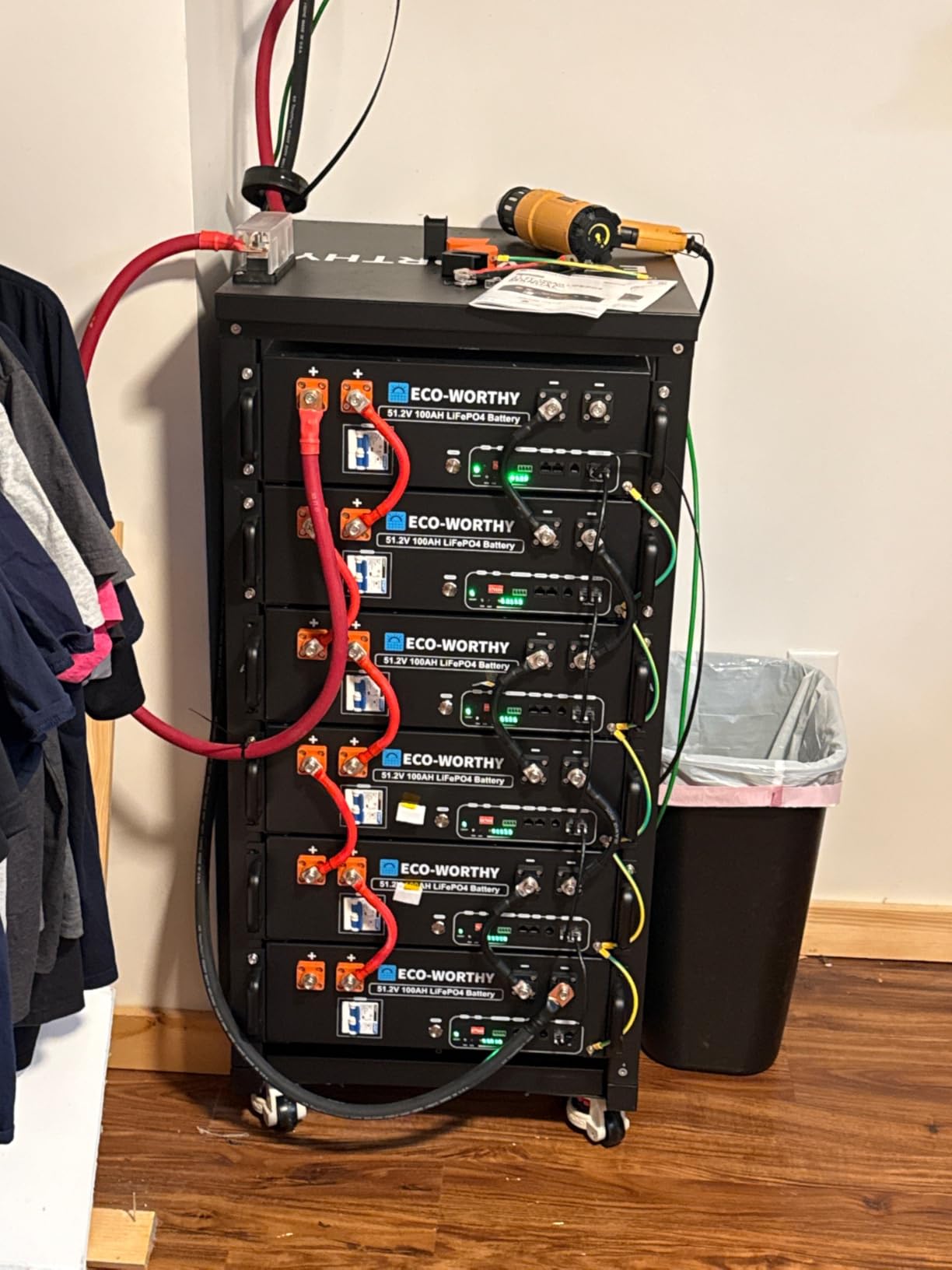
The 10-year limited warranty is the longest in this roundup, and for a cabin owner who is not going to rebuild the bank every few years, that is worth real money. There is also a verified-issue replacement window inside 30 days, which addresses the single biggest complaint owners have about marketplace-sourced lithium: what happens when the first one is faulty.
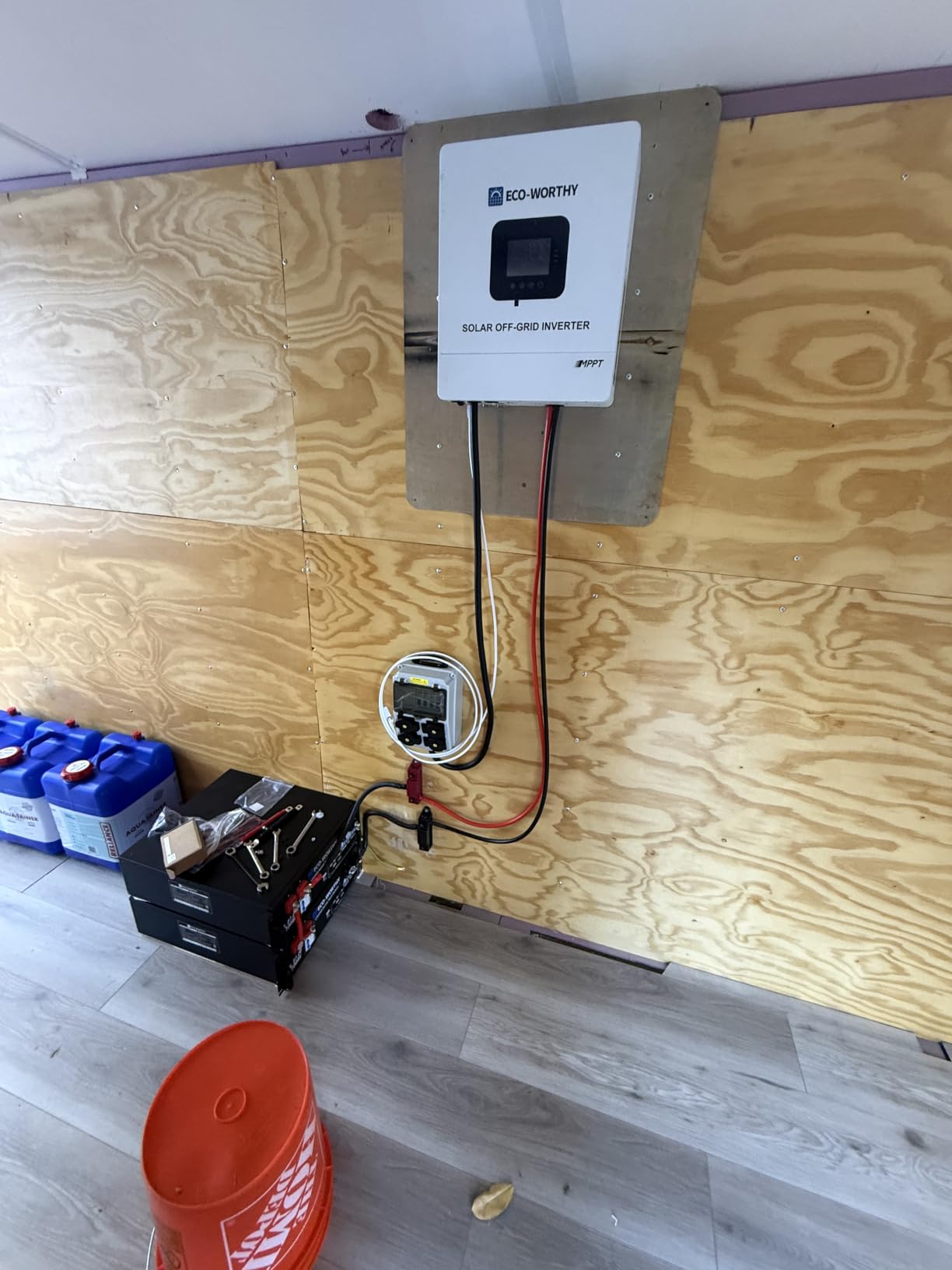
What you give up is the on-unit interface. There is no display on the case, and the app is basic – state of charge, not much else. One owner reported a first unit arriving with cells out of balance and CAN comms that would not negotiate, and it was replaced. That is the process working, but it is a process you need to be present for. The accessory kit is complete, which means parallel cables, comms cables, grounding wires, terminal covers and screws all ship in the box.
What certification actually protects you from
Third-party safety listing matters most in two situations: a bank installed inside a living space where you cannot supervise it, and a battery that will sit for months without anyone checking on it. Combined with the 10-year warranty, it makes this the choice we would make for a cabin that is a long-term build rather than a weekend experiment.
Where you might choose something else
If you want to read state of charge without opening an app, step up to the Powermega later in this list with its 7-inch touchscreen, or step down to a 12V pack. The screw terminals also mean you will want to confirm your busbar and lug sizing, since this is a fixed installation rather than a battery you drop into a tray.
5. LiTime 12V 100Ah Group 24 – the cleanest AGM drop-in
Litime 12v 100Ah RV LiFePO4 Lithium Battery for Van, Marine, Off-Grid
12.8V 100Ah
1280Wh
21 lbs
BCI Group 24
100A BMS
5-year warranty
Pros
- True BCI Group 24 universal fit drop-in replacement for an AGM
- 1280Wh of usable energy versus 504Wh at 60% depth of discharge on a 70Ah AGM
- About one third the weight of a Group 24 AGM
- Grade A LiFePO4 cells with a 100A BMS
- 4000+ deep cycles and expansion to 20.48 kWh
Cons
- No Bluetooth on this variant
- so state of charge needs an external monitor
- Not for golf carts
- jacks
- or MerCruiser and inboard marine systems
- A minority of units arrived unable to accept a charge until the wake-up procedure was repeated
- Warranty claims require shipping the battery back to China
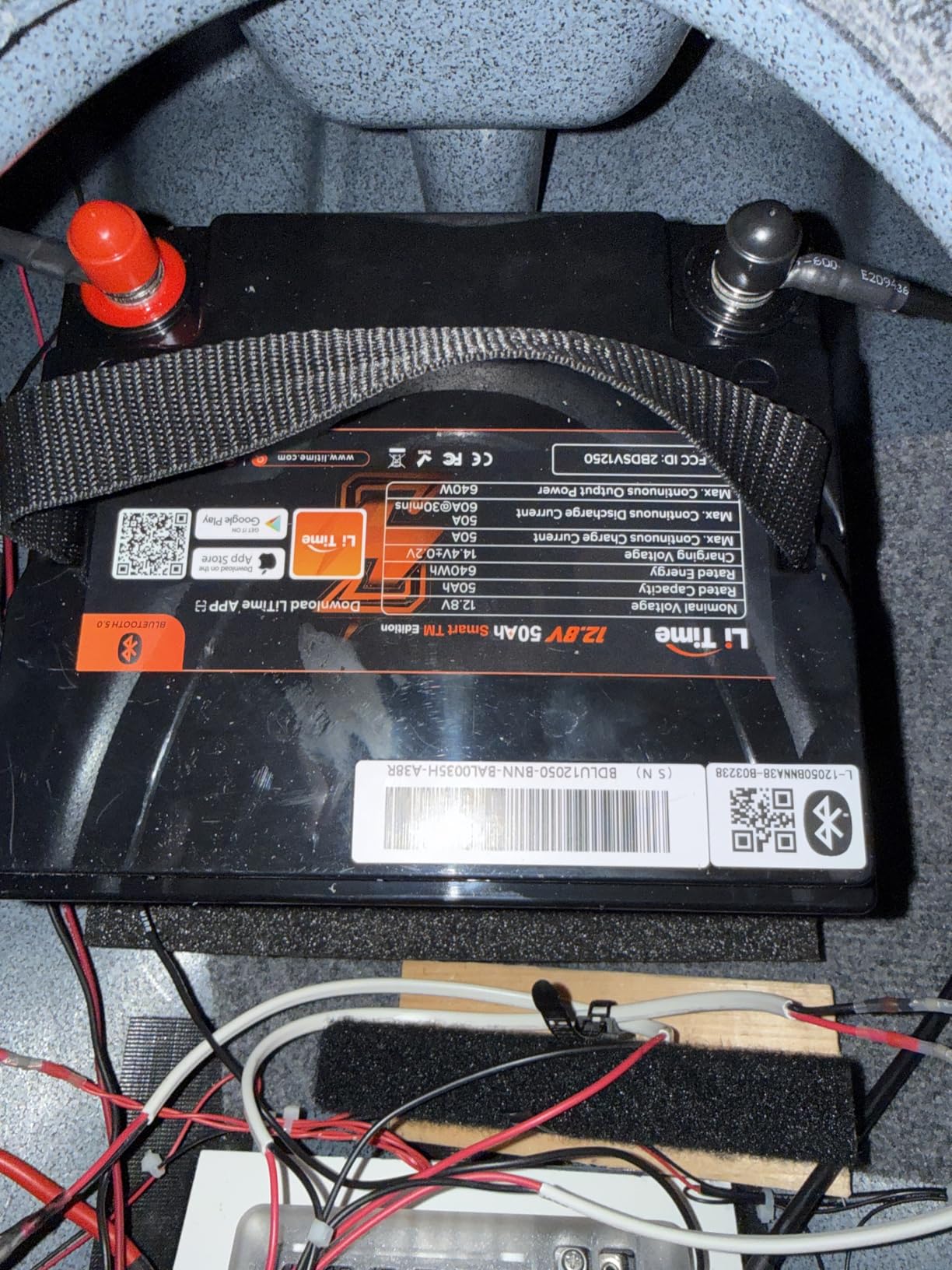
If your existing cabin bank is a Group 24 AGM, this is the least disruptive upgrade in the roundup. The physical fit is a genuine Group 24, the terminal layout matches, and at 21 lbs it is roughly a third lighter than the AGM it replaces, which matters when you are carrying it down a ladder into a basement battery shelf. No rewiring, no new tray, no change to the mounting hardware.
The capacity comparison is the headline. The listing puts 1,280Wh of usable energy against 504Wh for a 70Ah AGM at 60% depth of discharge, which is the number that sells the chemistry to anyone still on lead-acid. A Group 24 LiFePO4 that fits exactly where your old battery sat, with a 100A BMS and Grade A cells, is a very short conversation.
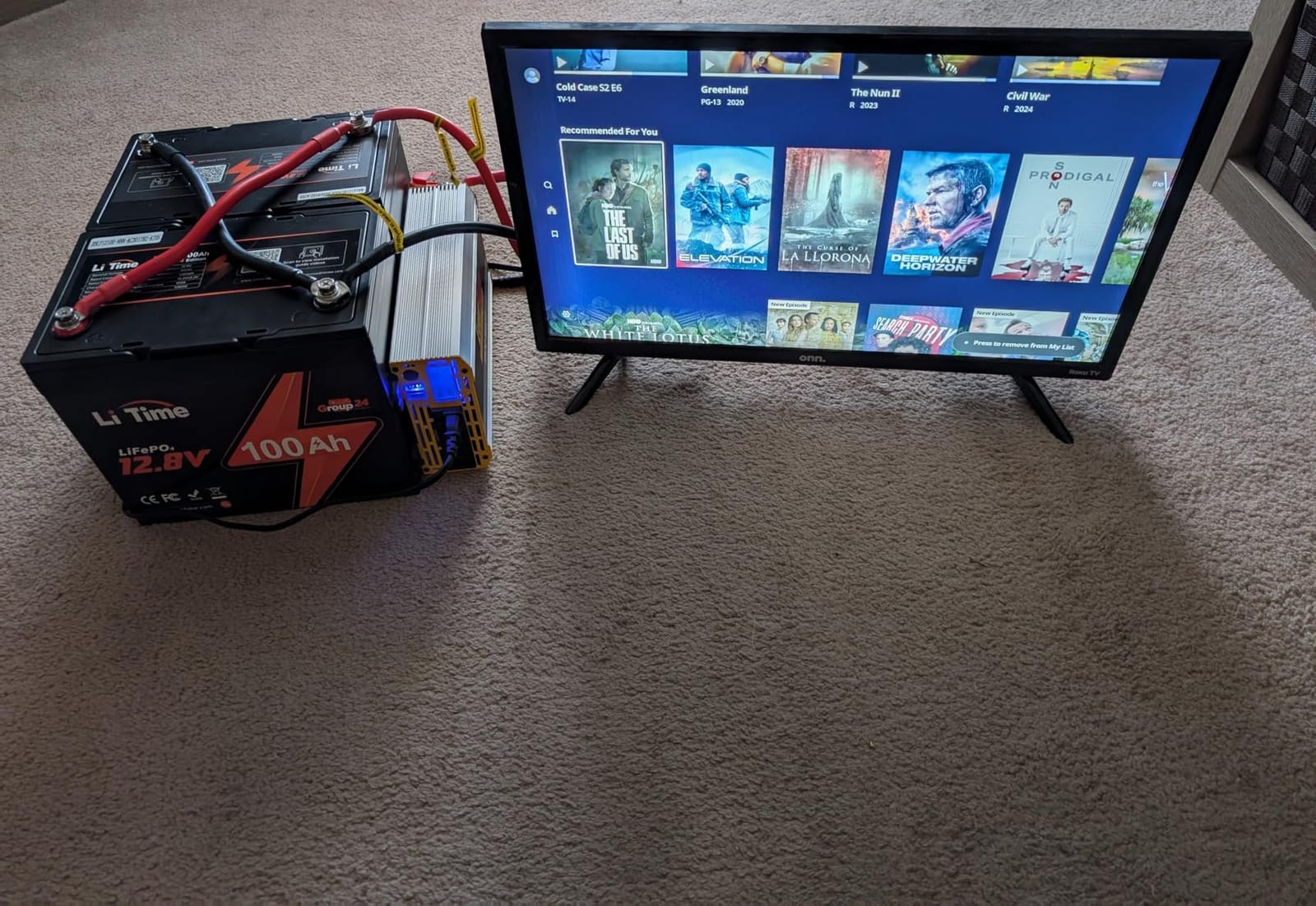
Owners report a full season powering a 55 lb trolling motor on autopilot while staying above 50% charge, and one measured a loss of only 8% of charge over five months of winter storage with identical behaviour in season two. That second data point is the one that matters for a seasonal cabin, because long idle storage is exactly where lead-acid quietly dies and where lithium usually wins by default.
The caveats are the same ones that appear across this category. No Bluetooth on this variant, so you need an external monitor for state of charge. A minority of units arrive unable to take a charge until the wake-up procedure is repeated. And warranty claims require international return shipping, which one buyer reported as a long refund delay – a real cost when you are four hours from a shipping depot.
Best when the existing tray and wiring already fit
This is the pick for a cabin that was built around lead-acid and never planned to be rebuilt. A weekend place with a 12V DC system, a fridge and LED lighting will see the runtime roughly double on the same footprint, and you can do the swap in an afternoon with the same cables.
When it is not the right upgrade
Do not pick a Group 24 if you need more than about 1,000W of inverter output, because the single-battery current ceiling is the limit, not the capacity. And if you are in a cold climate where the battery will sit below freezing for weeks, the absence of any self-heating option here means you need a heated enclosure instead.
6. yeagulch 24V 100Ah – the middle ground between 12V and 48V
24V 100Ah LiFePO4 Lithium Battery with 100A BMS 2560Wh 15000+ Deep Cycles
25.6V 100Ah
2.56 kWh
100A BMS
about 42 lbs
4,000 cycles at 100% DoD
Pros
- Bench capacity tests came in at or slightly above the advertised 100Ah
- 100A BMS covering overcharge
- over-discharge
- overcurrent
- short circuit and temperature
- About 4000 cycles at 100% depth of discharge and up to 15000 at 60%
- The 24V architecture cuts current draw and cable losses versus a comparable 12V system
- Roughly one third the weight of equivalent deep-cycle lead-acid
- Suited to 24V solar storage
- RV house power
- marine auxiliary and off-grid systems
Cons
- No Bluetooth on this variant
- so monitoring needs a separate battery manager
- Heavy for its size at roughly 42 lbs and needs two hands to place
- One owner reported a pair of units that stopped discharging after a couple of days
- Ships only partially charged
- so a dedicated LiFePO4 charger is advisable before install
Twenty-four volts is the architecture most people skip, and that is a mistake worth correcting. The physics are simple: for the same watt-hours, doubling bank voltage halves the current flowing through the cables, and resistive loss in a cable goes as the square of current. A 2.56 kWh bank at 24V moves half the amps of the same bank at 12V, which means thinner cables, shorter voltage drop and less heat in the battery box during a cold morning high-current draw.
The measured results back up the spec sheet. Owners running bench capacity tests report coming in at or slightly above the advertised 100Ah, and the 100A BMS held off overcharging even when an external controller had its disconnect voltage set high. Several owners replaced lead-acid banks that were dying early from chronic low state of charge, which is the classic failure mode for a bank that gets cycled shallowly but sits deep-discharged for weeks at a time.
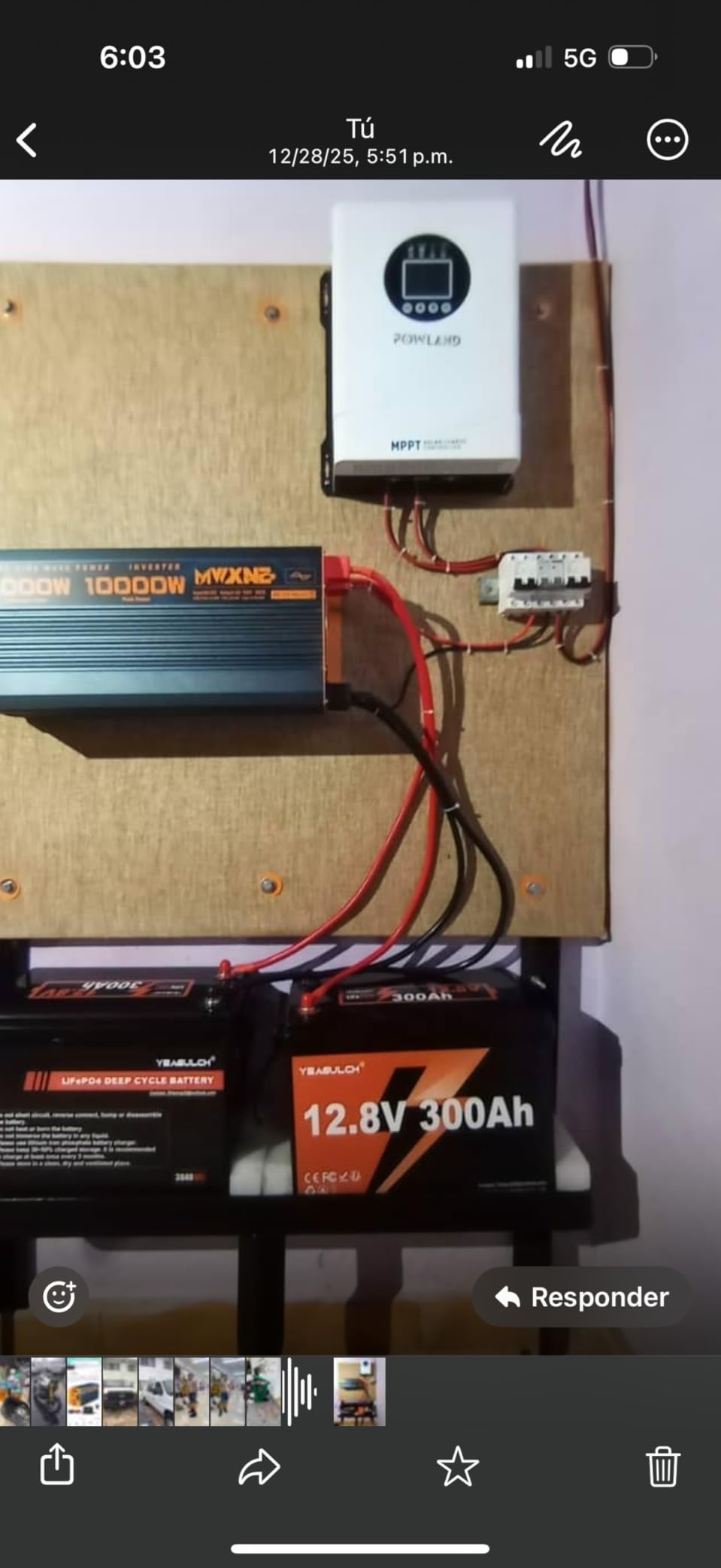
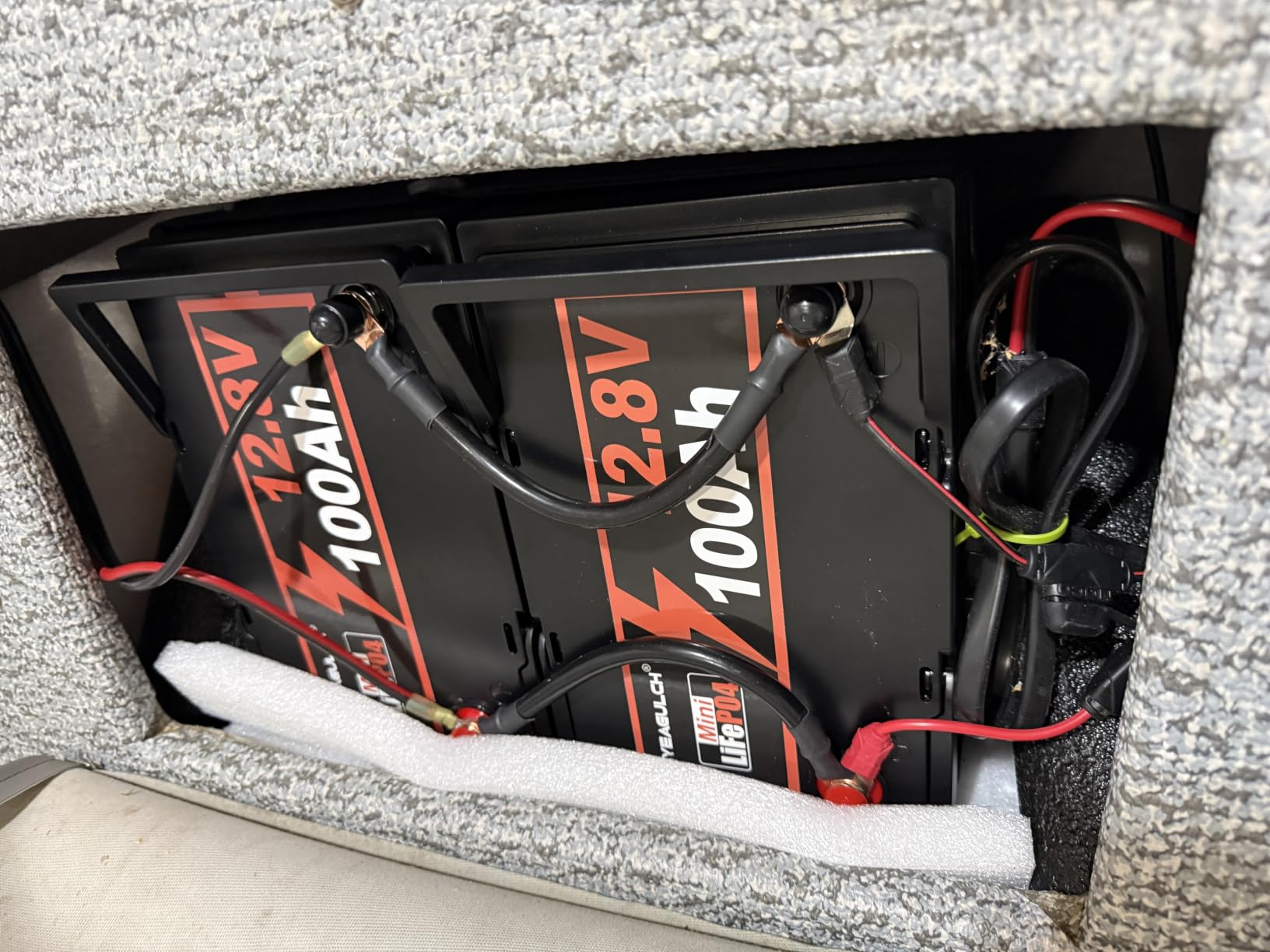
Reported real-world use includes 12V trolling motors, bilge pumps and a residential fridge on a 3,000W inverter, which tells you the current ceiling is not the weak point here. Cycle life is stated as about 4,000 cycles at 100% depth of discharge and up to 15,000 at 60%, with a typical lifespan quoted at roughly ten years. The storage guidance is specific too: charge or cycle at least once every six months.
Against that: no Bluetooth, so you will want a separate battery manager to see what is happening. At roughly 42 lbs it is heavy for the size and needs two hands. One owner reported a pair that stopped discharging after a couple of days of use, and the battery arrives only partially charged, so a dedicated LiFePO4 charger is advisable before installation rather than optional after it.
When 24V is the smart middle
Choose 24V when your battery box is more than a few feet from the inverter, when cable runs are long, or when you are running a 2,000W to 3,000W inverter and want headroom without going to a full 48V system. It is the architecture that most reduces copper in the install, which is where the real money goes in a fixed cabin system.
When to skip it
Skip 24V if your existing inverter and charge controller are 12V, because the migration is a full system change rather than a battery swap. Also skip it if cold-weather charging is your main concern and you have no enclosure plan – the discharge side is fine, but you still need to keep cells above freezing to charge them.
7. ECO-WORTHY 12V 314Ah – capacity density with monitoring built in
ECO-WORTHY 12V 314AH LiFePO4 Lithium Battery Bluetooth with SOC LEDs, Low Temp Protection, 4019WH, 200A BMS Up to 15000 Deep Cycle for Off-Grid, RV, Solar Power System, HomeBackup
12.8V 314Ah
4019Wh
60.4 lbs
200A BMS
Bluetooth and SOC LEDs
low-temp cutoff
Pros
- Roughly triples usable storage over a pair of 100Ah gel batteries in a similar footprint
- Weighs about what a 100Ah lead-acid battery weighs while delivering 4019Wh
- On-unit SOC and status LED indicators plus Bluetooth app give two ways to check status
- Bench testers report performance exceeding spec across multiple tests
- Strong Bluetooth range reaching from another floor
- Cell-level voltage readings in the app and a fire-resistant case
Cons
- Bluetooth voltage readout reported off by a factor of roughly 6 to 7 versus a clamp meter on some units
- The app is basic
- mostly cell voltages and a generic temperature status
- A few owners hit units whose BMS cut off charge at 13.9V and never reached full
- Only a 3-year manufacturer warranty
- shorter than rivals in this class
At 4,019Wh and 60.4 lbs, this is the densest 12V battery in the roundup. The useful comparison is that it delivers roughly three times the usable storage of a pair of 100Ah gel batteries in about the same footprint, while weighing about the same as a single 100Ah lead-acid unit. If your cabin is tight on floor space and you do not want to move to 48V, this is the shortest path to real storage.
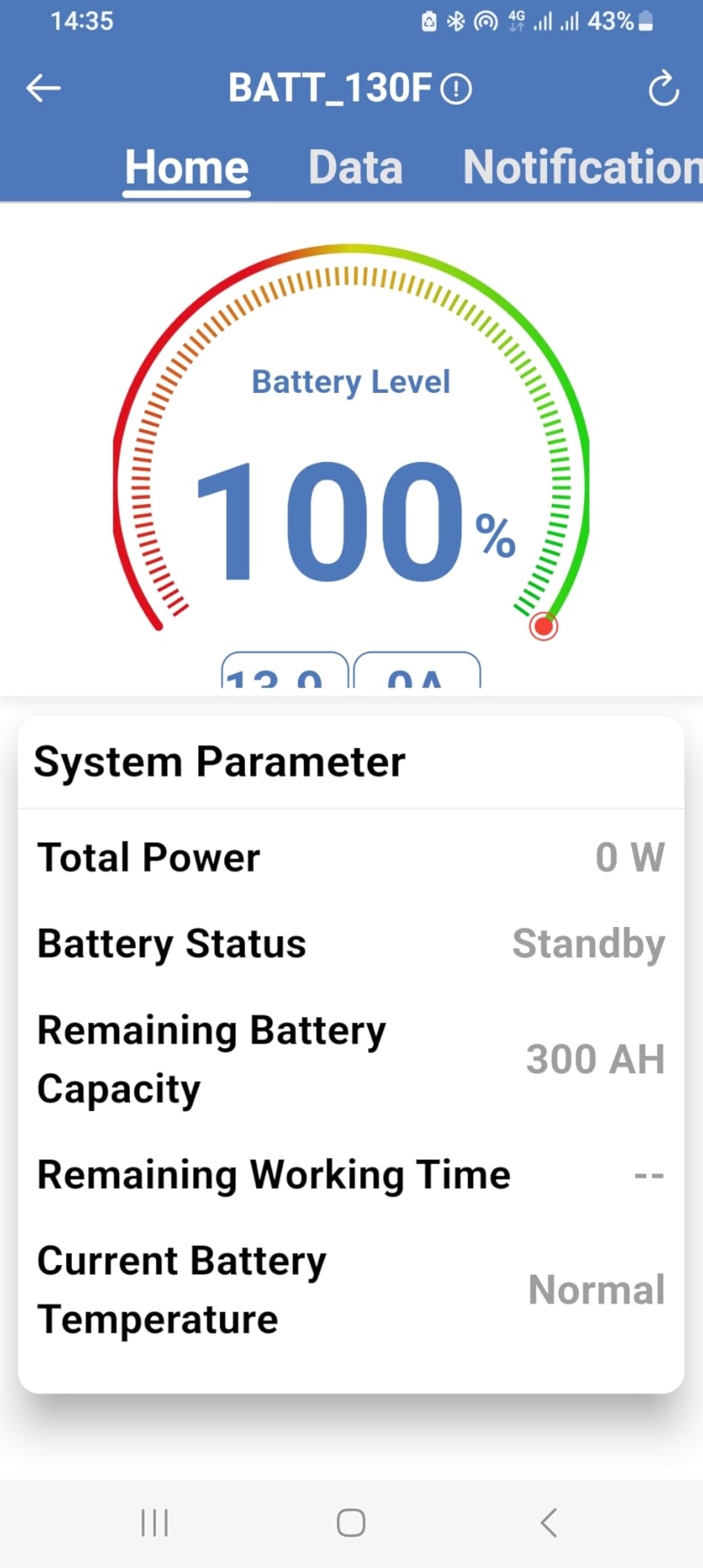
It is also the only 12V pack here with two independent ways to check on itself. There are SOC and status LEDs on the battery itself, and Bluetooth monitoring through the app on top of that. For a cabin that you drive to monthly, seeing a row of LEDs from the doorway before you even open the app is genuinely useful. Owners report strong Bluetooth range, connecting from another floor, and bench testers measuring performance above spec.
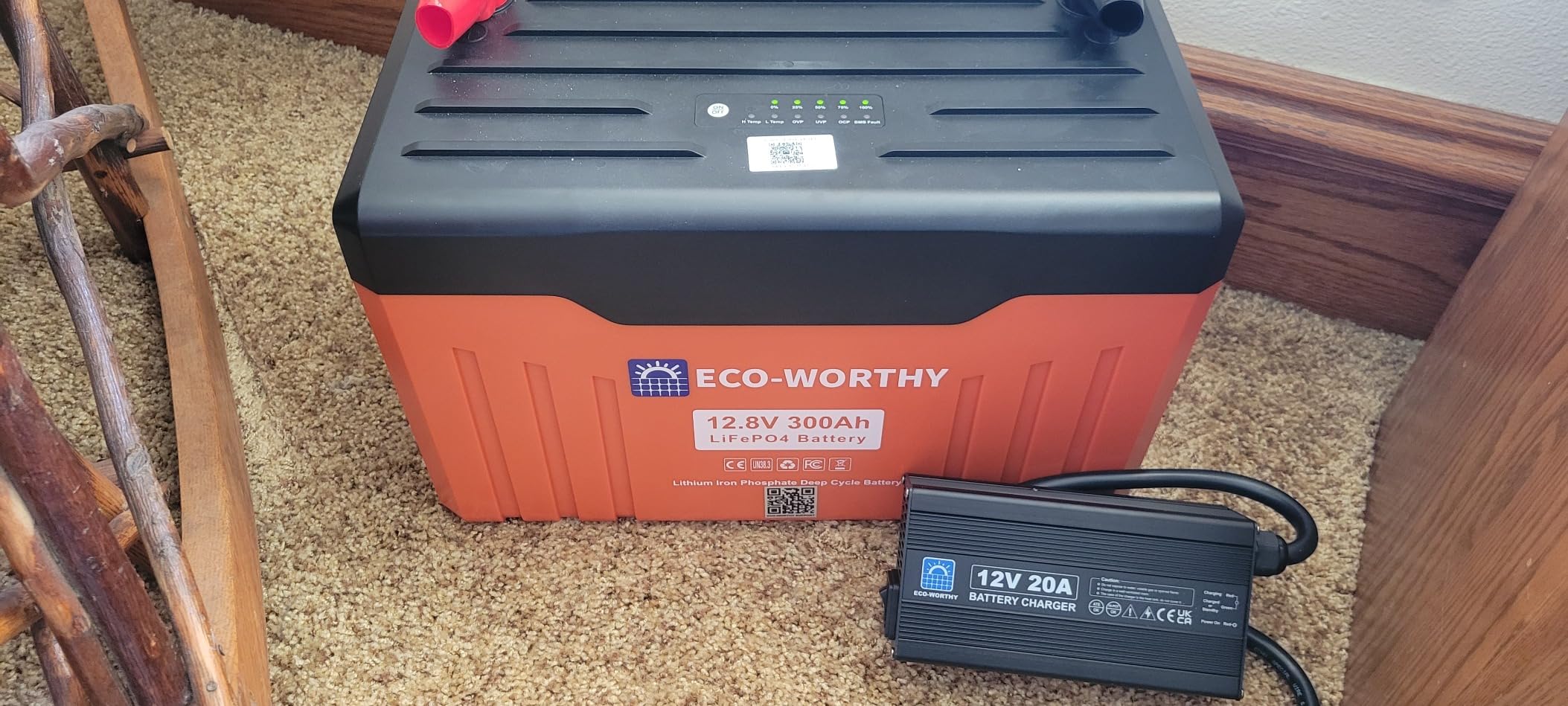
The 200A BMS carries high and low voltage, overload and temperature protection, with a low-temperature charging cutoff below -7C (19.4F) – a colder threshold than the 32F cutoff common elsewhere in this roundup, though it is a cutoff, not a heater. Expansion runs to 4P2S or 2P4S for up to 32.15 kWh, the case is fire-resistant, and the manufacturer replaces units with BMS or balancing faults.
The complaints are specific and worth taking seriously. Some owners report the Bluetooth voltage readout being off by a factor of roughly 6 to 7 against a clamp meter, which means treat the app as a trend indicator, not an instrument. A few hit units whose BMS cut off charging at 13.9V and never reached full, with inaccurate state of charge alongside. And the warranty is 3 years, the shortest in this roundup, with support response times that owners describe as slow.
Best for a small footprint and an infrequent visit
This suits a cabin where the battery shelf is the size it is and you cannot grow into it. The combination of LED state indicators and app monitoring also suits an owner who wants remote visibility without installing anything extra, and the low-temp cutoff below 19.4F gives you a longer charging season in a moderate cold climate.
When the 3-year warranty gives you pause
A cabin bank is a fifteen-year decision made in an afternoon. A 3-year warranty is a signal, and it should count against this model when the alternative offers 5 or 10 years on similar chemistry. The monitoring readouts also deserve a cross-check with a clamp meter before you trust them for load planning.
8. ECO-WORTHY Powermega 48V 314Ah – 16 kWh in a single cabinet
ECO-WORTHY Powermega 48V 314Ah LiFePO4 Battery, UL1973 16.1kWh Energy
51.2V 314Ah
16.07 kWh
293.2 lbs
UL 1973
10-year warranty
200A smart BMS
Pros
- 16.07 kWh in a single unit
- dramatically simplifying the build versus stacking smaller packs
- Active cell balancing in the 200A BMS improves charging efficiency and slows long-term capacity loss
- Integrated aerosol fire-suppression modules make it suitable for indoor residential installation
- 7-inch HD touchscreen with WiFi and Bluetooth for cell-level monitoring
- Built-in casters and M8 high-current terminals make installation easier
- 10-year manufacturer warranty with UL1973 certification
Cons
- At 293.2 lbs it is a two-person move and typically arrives palletised by truck
- WiFi did not work out of the box on early units and needed a firmware update
- High price point compared with assembling a bank from smaller 48V modules
Sixteen kilowatt-hours in one enclosure changes the conversation about a cabin. A single one of these removes four or more 48V modules from the build, and owners describe exactly that: the sheer storage per unit dramatically simplifies wiring compared with stacking smaller packs. For a cabin that has to carry a fridge, a water pump, power tools, a laptop and lighting through a week of bad weather, this is the first battery in the roundup that covers a serious load profile in one box.
The safety engineering is the most advanced here. It carries UL 1973 certification, a 200A smart BMS with active cell balancing, an external two-pole circuit breaker layered on top of the internal BMS, and integrated aerosol fire-suppression modules for thermal-runaway mitigation. That last feature is what makes a battery this large defensible inside a residence, and it pairs with a 10-year manufacturer warranty.
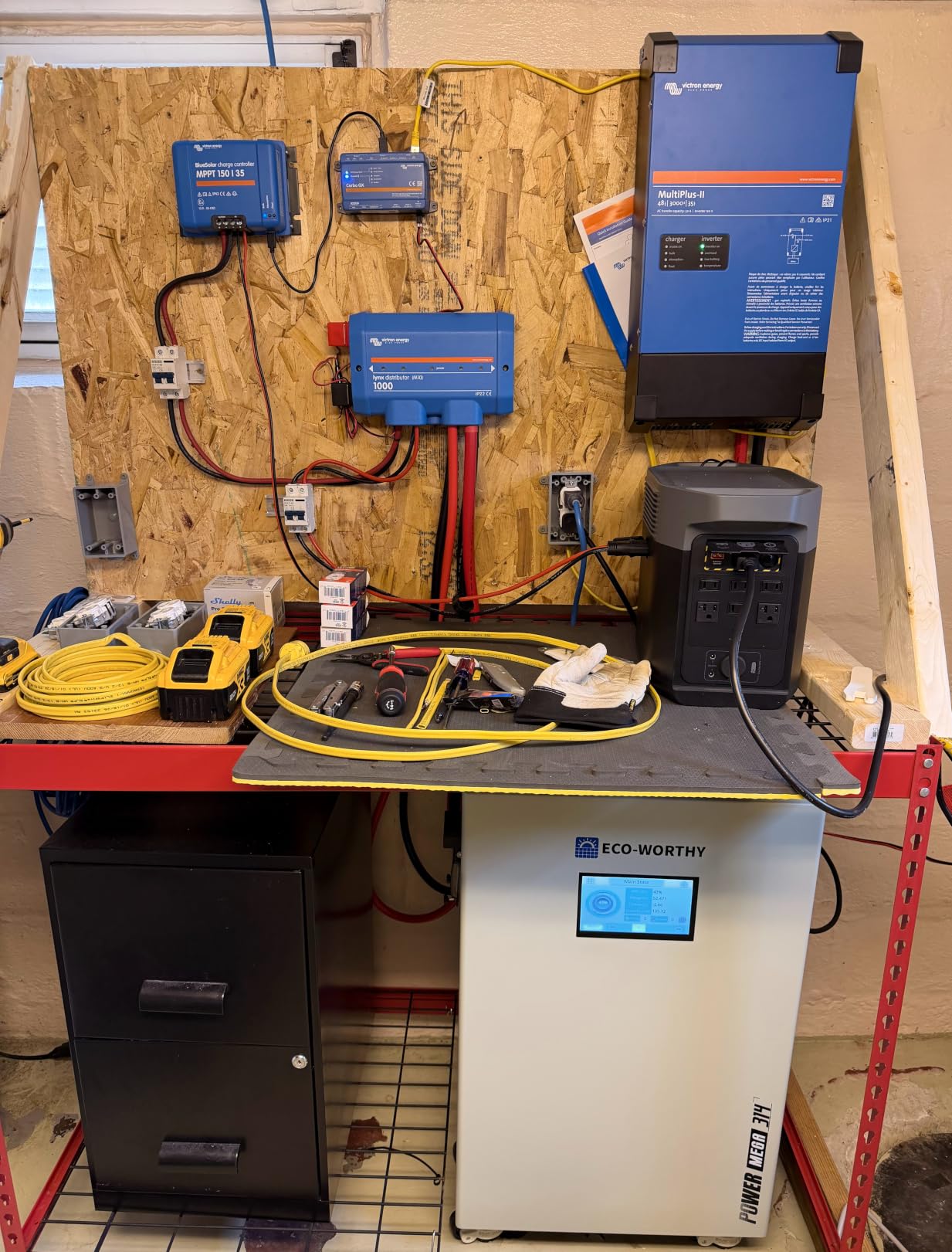
Monitoring goes as far as it goes in this roundup: a 7-inch HD touchscreen on the unit, WiFi and Bluetooth for cell-level data, and RS485 plus CAN ports for broad inverter compatibility. Owners measured actual capacity slightly above the advertised rating, and report it handling heavy solar charge controller and inverter loads without issue. Built-in casters and M8 high-current terminals make moving a 293 lb object slightly less of a problem than it sounds.
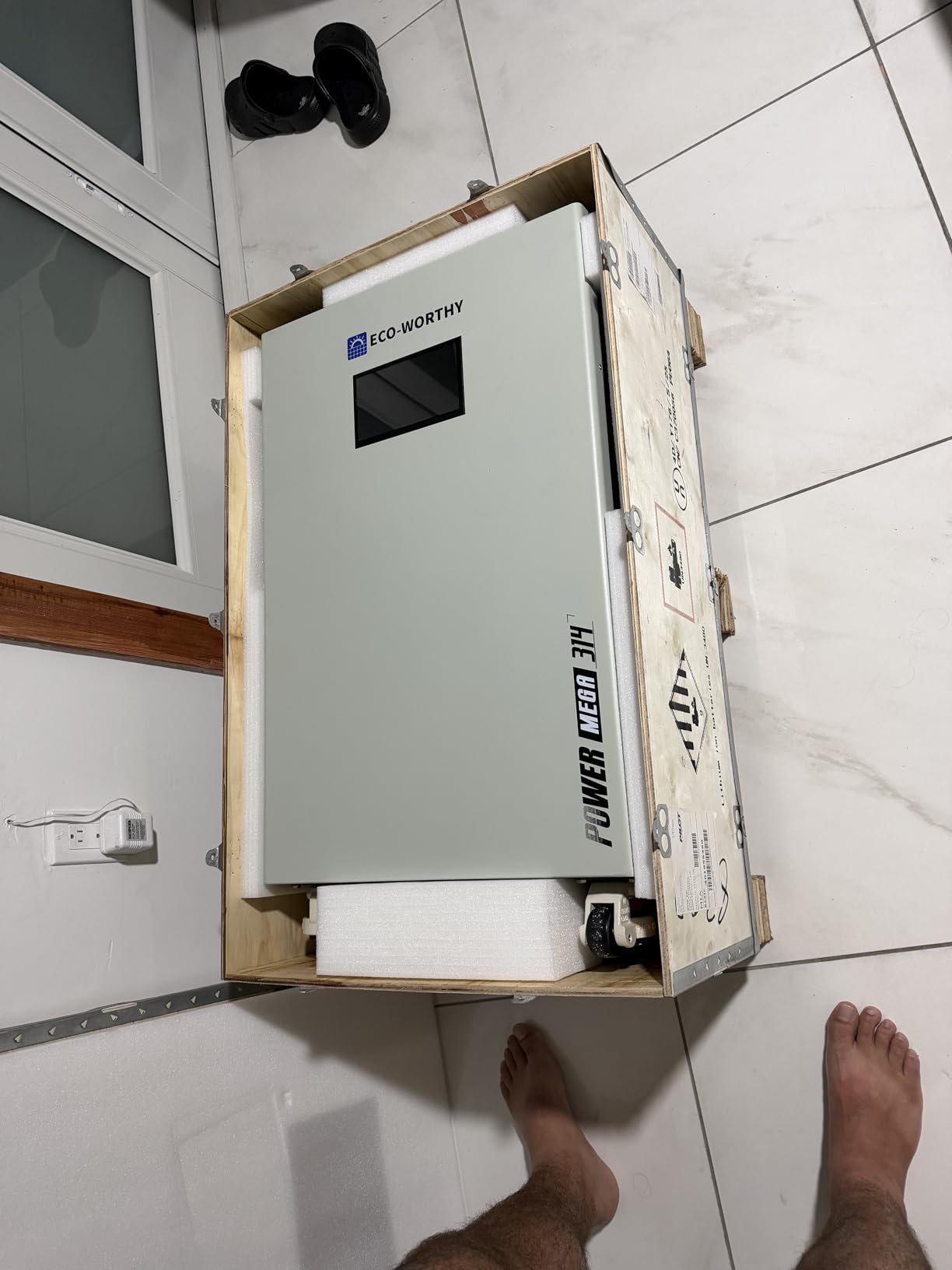
The honest caveats are physical and financial. At 293.2 lbs it is a two-person move and typically arrives palletised by truck, so you need a clear path and a plan before delivery day. WiFi did not work out of the box on early units and needed a firmware update. And it costs meaningfully more per kilowatt-hour than assembling the same storage from smaller 48V modules, which is a real trade for anyone budget-constrained.
Best for a year-round or high-load cabin
If your cabin is a home rather than a weekend shelter, or you run tools and a well pump regularly, this is the pick. The fire-suppression modules, the 10-year warranty and the active balancing all point at a bank intended to be lived with rather than cycled lightly. Expansion runs to 15 batteries and 241 kWh, so the ceiling is effectively never the issue.
When one big box is the wrong shape of answer
For a small seasonal cabin this is overbuilt, and the weight alone will decide it for you – you need a rated floor and a delivery route. Owners building incrementally can get the same end state with smaller 48V modules added over time, at the cost of more interconnects and more BMS boards to keep balanced.
9. VATRER 12V 300Ah Self-Heating – the cold climate answer
12.8V 300Ah Self-Heating LiFePO4 Lithium Battery with APP Monitoring
12.8V 300Ah
3840Wh
54.7 lbs
built-in self-heater
200A BMS
5,000+ cycles
Pros
- Built-in self-heating function allows reliable charging and discharging in cold conditions and guards against cold-induced cell damage
- 3840Wh in a case under 10 inches tall is a strong capacity-to-volume ratio
- Rated over 5000 charge-discharge cycles at 100% depth of discharge
- At 54.7 lbs it is roughly one third the weight of a same-capacity lead-acid bank
- App monitoring of current
- voltage
- temperature and cycle count
- 200A BMS with Grade A cells
Cons
- A small review base of 77 ratings means less long-term field history than competitors
- The manufacturer warranty description defers to the official website rather than stating terms
- Not recommended for series use in golf cart packs
- Includes a warning that the surface can become hot during heating operation
If your cabin drops below freezing with nobody in it, the self-heating function is the whole argument. LiFePO4 cells cannot be charged below freezing without irreversible lithium plating, and most BMS units simply refuse, which means a cold snap can leave you with a full-looking bank that will not take a charge. This battery brings its own heat, and the result is that charging and discharging keep working in conditions where a non-heated pack is effectively on lockout.
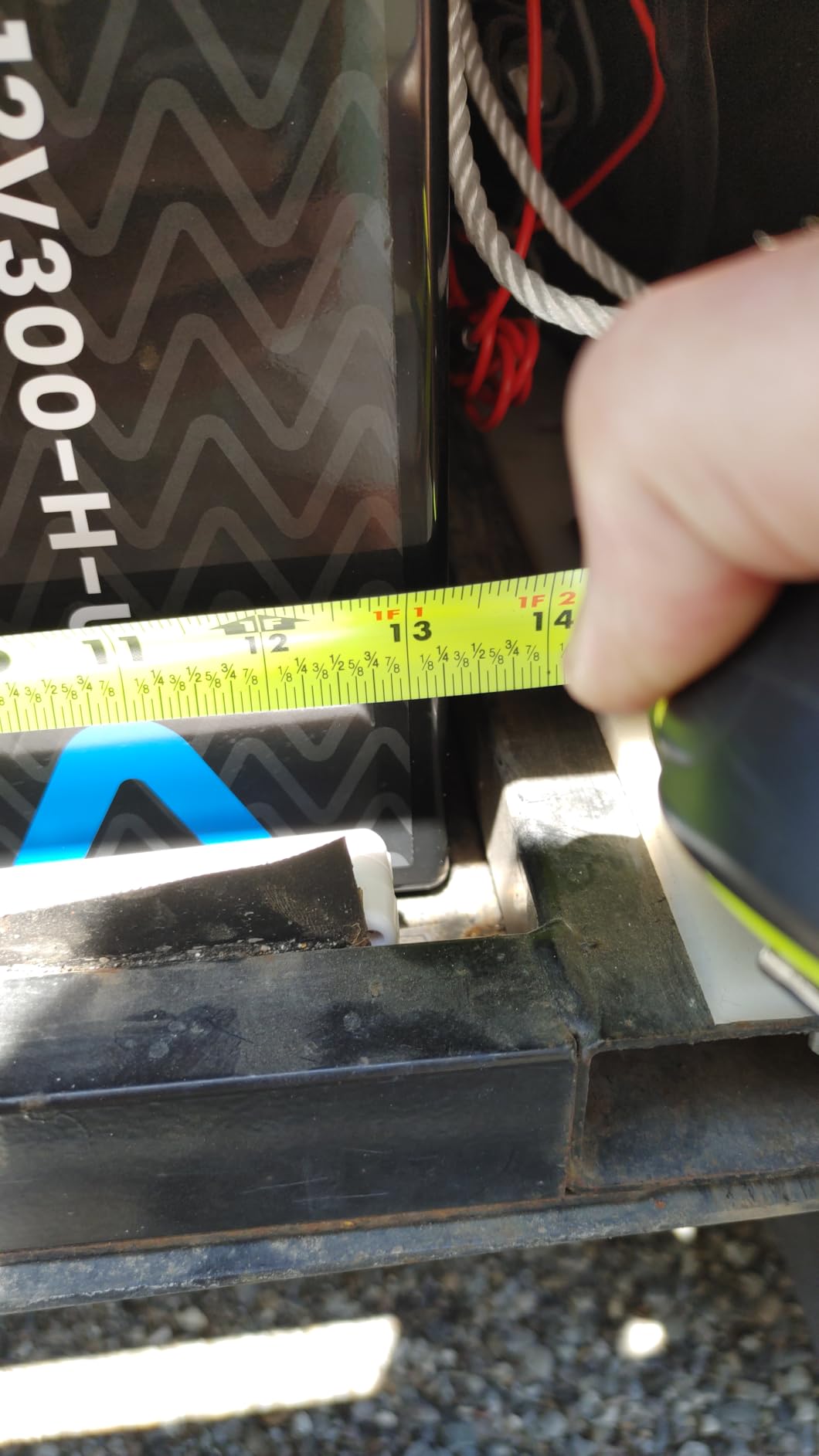
It is also unusually well specced for the class. 3,840Wh nominal in a case under 10 inches tall, over 5,000 charge-discharge cycles at 100% depth of discharge, a 200A BMS covering overcharge, over-discharge, temperature, overcurrent and short circuit, Grade A cells, and app monitoring of current, voltage, temperature and cycle count. At 54.7 lbs it is about a third the weight of a same-capacity lead-acid bank, which matters when you are hauling it up a ladder.
It carries the highest average rating in the roundup at 4.9 stars, with 98% of ratings at five stars, and owners single out the heating function as the decisive feature. The app reporting cycle count is a nice touch for a bank you intend to keep for a decade, since it gives you a real service-life record rather than a guess.
What you give up is certainty. A review base of 77 ratings is thin next to the 1,771 behind the LiTime at the top of this list, and long-term field history is exactly what you want in a battery that will sit through many winters. The warranty description simply defers to the official website rather than stating terms, which is weaker than the published 5-year or 10-year language elsewhere. It also carries a warning that the surface can become hot during heating operation, so it needs clearance, not a tight shelf.
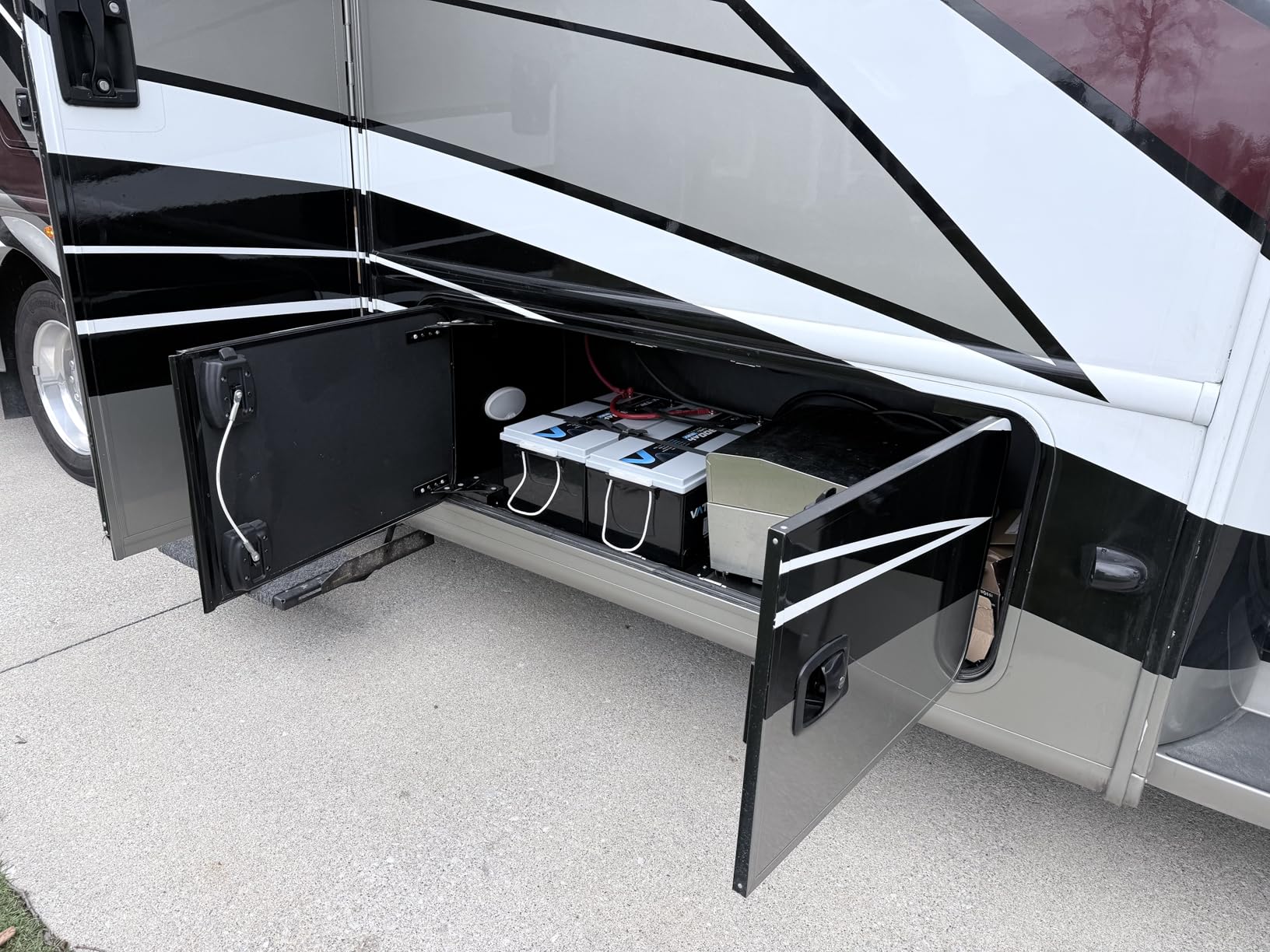
Best for an unheated cabin in a cold valley
Two of these in parallel give 7.68 kWh on a normal 12V system with a 200A ceiling per battery, and the heater removes the single biggest lithium failure mode at a winter cabin. The app temperature reading also tells you when the pack is in heating mode, which is useful when you are deciding whether the bank has been sitting too long without a charge.
Where a heated battery box makes more sense
A self-heating battery only helps the battery. If your whole system needs protecting from cold – controllers, inverter, plumbing – then a thermostatically controlled heated or insulated enclosure is the better investment, and it works with any chemistry. This pick is the right one when the battery specifically is the part at risk.
10. LiTime 12V 100Ah Trolling Motor Battery with Bluetooth – the monitored 12V pack
Litime 12V 100Ah Trolling Motor LiFePO4 Battery for Marine, Boat, Yacht
12.8V 100Ah
1280Wh
22.2 lbs
Bluetooth app
IP65 and salt resistant
5-year warranty
Pros
- Bluetooth app with auto-connect
- discharge control and system checks
- Smart low-temperature protection stopping charge below 32F and discharge below -4F
- 20+ safety protections in an IP65 waterproof
- dustproof and salt-resistant case
- 1280Wh at 22.2 lbs in a standard Group 31 footprint
- 4000 cycles at 100% depth of discharge
- 6000 at 80% and 15000 at 60%
- Terminal layout matches the OEM Group 31 arrangement for quick installation
Cons
- Bluetooth must be activated by charging with a lithium-activation or MPPT charger before the app will connect
- The app requires signing in each time you check it
- One unit arrived dead and would not wake until replaced
- The app is informational rather than truly interactive
- Not for engine starting
- golf carts or jacks
Same core battery as the top pick, with Bluetooth added, and the difference is bigger than it sounds for a cabin. The app auto-connects, lets you switch discharge on and off, and shows live amp draw. For a bank sitting in an unheated shed that you visit every few weeks, being able to confirm state of charge from the driveway is worth the extra few dollars and the extra review volume – 645 ratings at 4.7 stars.
The temperature behaviour is published clearly: charging stops below 32F, discharging stops below -4F. That is the standard LiFePO4 protection pattern, and having it stated as a number rather than a vague claim lets you plan a winter weekend. Marine owners report two units in series still holding 72% after four hours against 25 mph wind gusts, and the terminal layout matching the OEM Group 31 arrangement made installation quick with the included hardware.
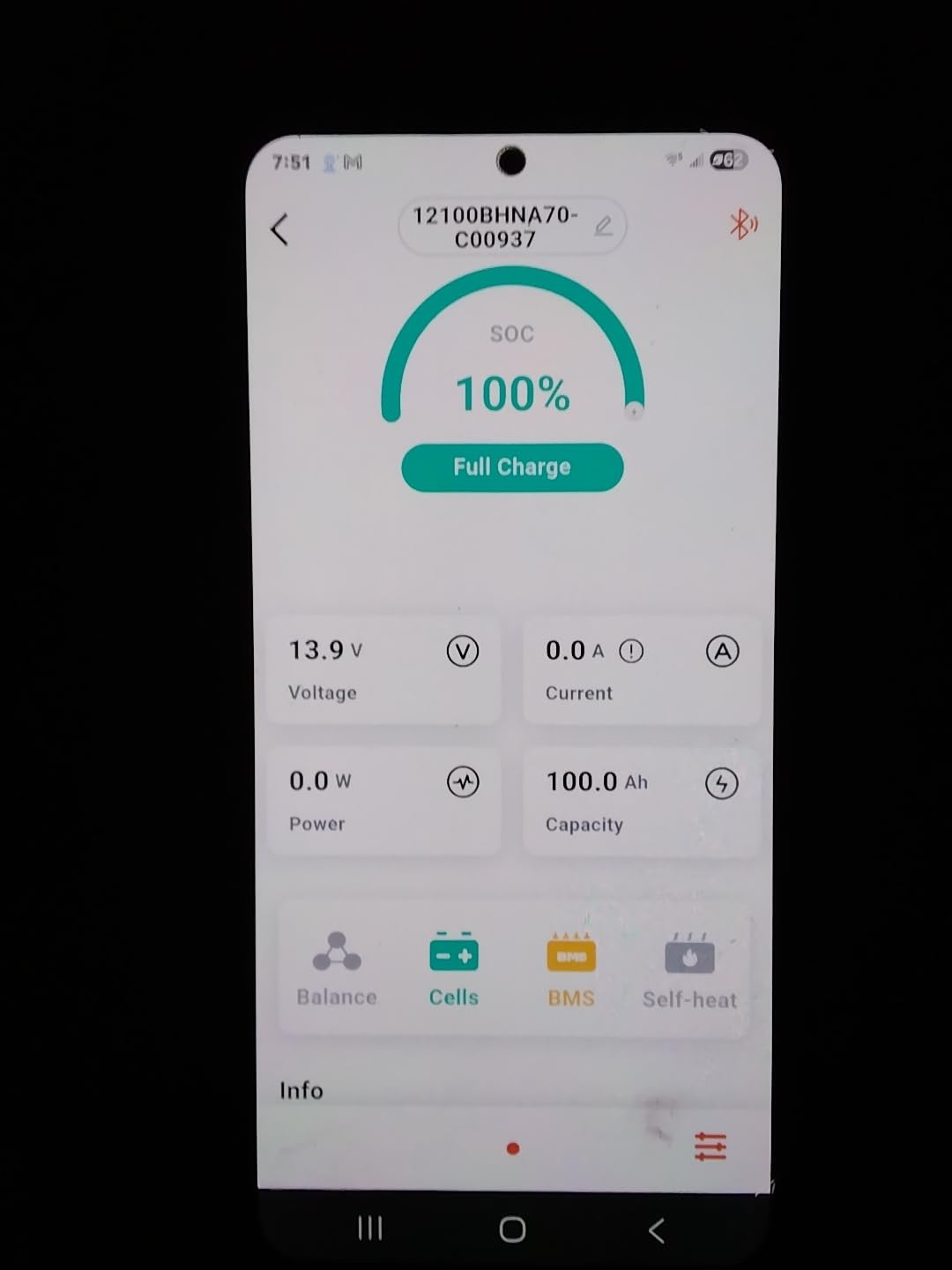
The 1,280Wh figure gives more than twice the usable energy of the 85Ah AGM it commonly replaces, at 22.2 lbs in a standard Group 31 footprint – roughly half the weight of the bank it displaces. IP65 waterproof, dustproof and salt-resistant construction suits a boat or a damp cabin battery box, and it expands to 4P4S for 51.2V 400Ah and 20.48 kWh if you outgrow 12V.
Two practical notes. Bluetooth must be activated by charging with a lithium-activation or MPPT charger before the app will connect, which is the first-charge procedure again. And the app needs a sign-in each time you check it, with a few buyers noting it is more informational than truly interactive despite the discharge toggle. One unit arrived dead and would not wake until it was replaced, which support handled quickly.

Best when you want visibility without extra hardware
This suits a 12V DC-only cabin where the battery lives out of sight, and owners who would rather not add a shunt or a coulomb counter. The live amp draw reading also helps with the real question in a cabin – not just how full is it, but what is actually consuming power when the fridge cycles on.
When the basic version is the smarter buy
If you check the bank twice a year, the app adds little, and the Bluetooth activation step is one more thing that can go wrong on a first install. In that case the top pick at the start of this roundup gives you the same 1,280Wh for less. The cycle ratings are the strongest of the 12V options here regardless of which one you choose.
How to Size a Battery Bank for an Off-Grid Cabin
Start with watt-hours per day, not amp-hours. Write down every load, its running wattage and its hours per day, then multiply. A 12V compressor fridge averaging 50W running 10 hours a day is about 500Wh. LED lighting at 30W for five evening hours is 150Wh. A laptop charger at 60W for four hours is 240Wh. A well pump at 400W for 20 minutes is about 130Wh. A well pump is the one that surprises people, because a short high-draw task can outweigh an entire week of lighting.
Add a 20 to 30 percent margin, then convert to amp-hours by dividing by battery voltage. That 1,020Wh of daily load, plus a 25 percent margin, is roughly 1,275Wh. At 12V that is about 100Ah of nominal capacity per day, which is one Group 31 pack or a bit less once you respect realistic usable capacity. Multiply by the number of consecutive cloudy days you want to ride out, and you have your bank size.
Two practical sizing notes. First, do not size the bank to the array or size the array to the bank by accident – a 400W panel array in December produces a fraction of its rated output, so winter sizing should drive the decision for a northern cabin. Second, the answer to “how long will a 100Ah lithium battery run a 12V fridge” is roughly two to three days of typical cycling at 60 to 80% depth of discharge, which is why weekend cabins get away with one pack and full-time cabins do not.
If you are still working out the rest of the system, our solar generator picks for off-grid cabins cover the portable side, and our inverter guide will tell you what inverter size your measured loads actually require. Match the inverter continuous rating to the battery’s continuous output, not to its peak.
Cold Climates and Cabins You Do Not Occupy Year-Round
LiFePO4 performs worse in cold weather specifically on the charging side. Below about 32F charging stops, and forcing charge into cells below freezing causes lithium plating – metallic lithium deposits inside the cell that are irreversible and permanently reduce capacity. That is why every battery in this roundup publishes a low-temperature charge cutoff. It is a protection mechanism, not a defect.
Four strategies work. One, buy a self-heating battery, which brings its own heat and keeps charging available through a cold snap. Two, put the bank in a thermostatically controlled heated enclosure, which protects the battery and everything else in the box. Three, use a well-insulated enclosure without a heater, which slows the rate at which the pack reaches freezing but cannot stop it during a multi-day cold snap. Four, seasonally disconnect the bank and leave it in a conditioned space, which is the correct answer for a cabin that sits empty for the whole winter.
For storage, leave lithium at a partial charge rather than full, and check it periodically. The 80/20 rule for lithium batteries means you keep roughly 80 percent state of charge and use roughly 80 percent depth of discharge as your working window – leaving 20 percent as headroom on both ends. One owner of the Group 24 in this roundup measured only 8 percent charge loss over five months of winter storage and identical behaviour in season two, which is the kind of result a seasonal cabin can count on.
12V vs 24V vs 48V: Picking a Bank Architecture
The rule is straightforward. Energy in watt-hours is voltage times amp-hours, so 12V 400Ah, 24V 200Ah and 48V 100Ah all store 5.12 kWh. What changes is the current: the 12V version pushes four times the amps of the 48V version for the same power, and cable loss scales with the square of current.
Pick 12V for a DC-only cabin with short cable runs, a small inverter, or an existing lead-acid tray you want to reuse. Pick 24V as the middle – genuinely fewer losses, thinner cable, and far fewer products that support it, so check your inverter and charge controller first. Pick 48V for anything running a well pump, power tools, induction cooking or a 3,000W-plus inverter, and prefer a single 48V pack over a series string where the product allows it.
And whatever you change, change the charge profile. Lithium and lead-acid want different absorption voltages and different float behaviour, and owners repeatedly call out stale controller settings as the most common post-purchase mistake. A lithium profile on a Victron, EPEver, Renogy or Amses controller is a menu setting, not a hardware replacement, and getting it wrong is the fastest way to a battery that never fully charges.
Should You Switch From Lead-Acid? An Honest Break-Even View
Several owners running small off-grid cabins argue that lead-acid banks are simple, reliable and cheap, and for a fridge and some lights they are right. Lithium is not automatically necessary for a small load. The break-even usually arrives when you combine three factors: deep cycling, weight, and the cost of replacing lead-acid every few years.
A 12V 100Ah LiFePO4 at 1,280Wh weighs 22 lbs where a comparable AGM group carries a large fraction more, and a lead-acid bank in a cabin that is cycled hard will need replacing on a schedule. Add the loss of usable capacity – roughly half of rated for lead-acid against 80 to 100 percent for lithium – and the comparison stops being close. What tips it further is seasonal use, because lead-acid left at partial charge for months degrades faster than lithium does.
One warning that forum owners raise repeatedly: do not series a new lithium battery with aged lead-acid. The two chemistries have different voltage curves and different internal resistance, so the older unit drags the string down, the BMS low-voltage cutoff trips at unhelpful moments, and the lithium bank ends up carrying the stress. Replace the whole bank, or keep the lead-acid and add lithium in parallel on a proper converter. Never mix them in series.
What to Check Before You Buy
Cell grade is the first filter. Grade A automotive prismatic cells are what the better banks in this roundup are built from, and several listings say so explicitly. A bank that will not name its cell source is telling you something. Second, the BMS: look for per-cell balancing and temperature sensors, not just over- and under-voltage protection, because balancing is what keeps a pack’s cells matched over years.
Third, published cycle life at a stated depth of discharge, and depth of discharge is the number most listings bury. This roundup ranges from 4,000 cycles at 100% depth of discharge up to 15,000 at 60%, and both numbers are legitimate – they describe different usage. Fourth, warranty length, which owners treat as the main proxy for real cell quality, and which ranges from 3 years to 10 years in these ten picks. Fifth, temperature range with actual cutoff figures rather than adjectives.
Finally, the install. Torque your terminals to spec, use a fuse sized to the cable on the positive lead, give the enclosure ventilation and clearance, and keep the battery out of direct sun. If the cabin needs heat in winter, our wood stove guide covers the cleanest way to put real heat into the building – and a warm battery room solves the cold charging problem for free. A separate solar camera is a sensible add for a place nobody watches year-round.
Frequently Asked Questions
What is the best lithium battery for off-grid use?
The best lithium battery for off-grid use is a LiFePO4 deep-cycle battery with a real BMS, per-cell balancing and temperature sensors, a published cycle rating, and a low-temperature charge cutoff near 32F. Look for Grade A automotive prismatic cells, 80 to 100 percent usable depth of discharge, and a warranty of five years or more. Match the bank’s continuous current rating to your inverter, not its peak.
What size solar battery do I need to be off-grid?
Size by watt-hours per day, not amp-hours. List every load with its running watts and daily hours, then multiply. Add a 20 to 30 percent margin, divide by battery voltage to get amp-hours, then multiply by the number of cloudy days you want to ride out. A cabin running a fridge, LED lights and a laptop typically lands near 1,000 to 1,500Wh a day, so one 1,280Wh 12V pack is a weekend starting point and a 5 kWh bank covers a typical week of poor weather.
How long will a 100Ah lithium battery run a 12v fridge?
A 12V 100Ah LiFePO4 battery stores about 1,280Wh. A typical 12V compressor fridge averages 40 to 60W and cycles 10 to 12 hours a day, so roughly 500 to 600Wh daily. At a realistic 60 to 80 percent depth of discharge that is two to three days of normal cycling, less if you open it constantly in hot weather. Adding a second battery in parallel doubles that.
Do lithium batteries perform worse in cold weather?
On the charging side, yes. LiFePO4 cells should not be charged below about 32F because of irreversible lithium plating, so most BMS units block charging until cells warm up. Discharging is affected far less, with output typically available down to -4F. The fix is a self-heating battery, a thermostatically controlled heated enclosure, or seasonal disconnection if the cabin is empty all winter.
Do I need a self-heating lithium battery?
Only if your cabin drops below freezing while unoccupied and you cannot keep the battery enclosure above 32F another way. A self-heating battery maintains charging through a cold snap on its own. A heated battery box costs less and also protects the charge controller, inverter and any plumbing in the same enclosure, so it is usually the better buy for a full system. Insulation alone slows freezing but cannot prevent it over a multi-day snap.
Can I mix lithium and lead acid batteries?
Not in series. Lithium and lead-acid have different voltage curves and internal resistance, so an aged lead-acid unit drags a series string down, trips the lithium BMS low-voltage cutoff at unhelpful moments and shortens the life of the whole bank. In parallel it is also wrong without a proper charge controller. The safe upgrade is to replace the entire bank, and to set your controller to a lithium charge profile at the same time.
Final Verdict for Off-Grid Cabin Batteries in 2026
The best lithium batteries for off grid cabins come down to what your cabin actually runs. A weekend place on 12V wants the LiTime 12V 100Ah Group 31 – 1,280Wh, 22.1 lbs, a 100A BMS and the deepest review history in the roundup, which is our editor’s choice and the pick we would install first. Add the Bluetooth version if you want to read state of charge from a distance.
Cold cabins change the answer. The VATRER 12V 300Ah self-heating pack solves the one lithium failure mode that can permanently damage cells, and for a place that sits empty below freezing it is the pick. Cabin owners who want certainty before buying should head back to the solar generator comparison to see how the storage side compares.
Year-round homes and high-load builds should move up to 48V. The ECO-WORTHY Cubix100 gives you UL9540A, UL1973 and CEC listing with a 10-year warranty at 5.12 kWh, and the Powermega goes to 16 kWh in one cabinet with active balancing and integrated fire suppression. Whatever you pick, set the lithium charge profile on your controller before the first cycle, and size the bank in watt-hours per day rather than amp-hours on a label.