
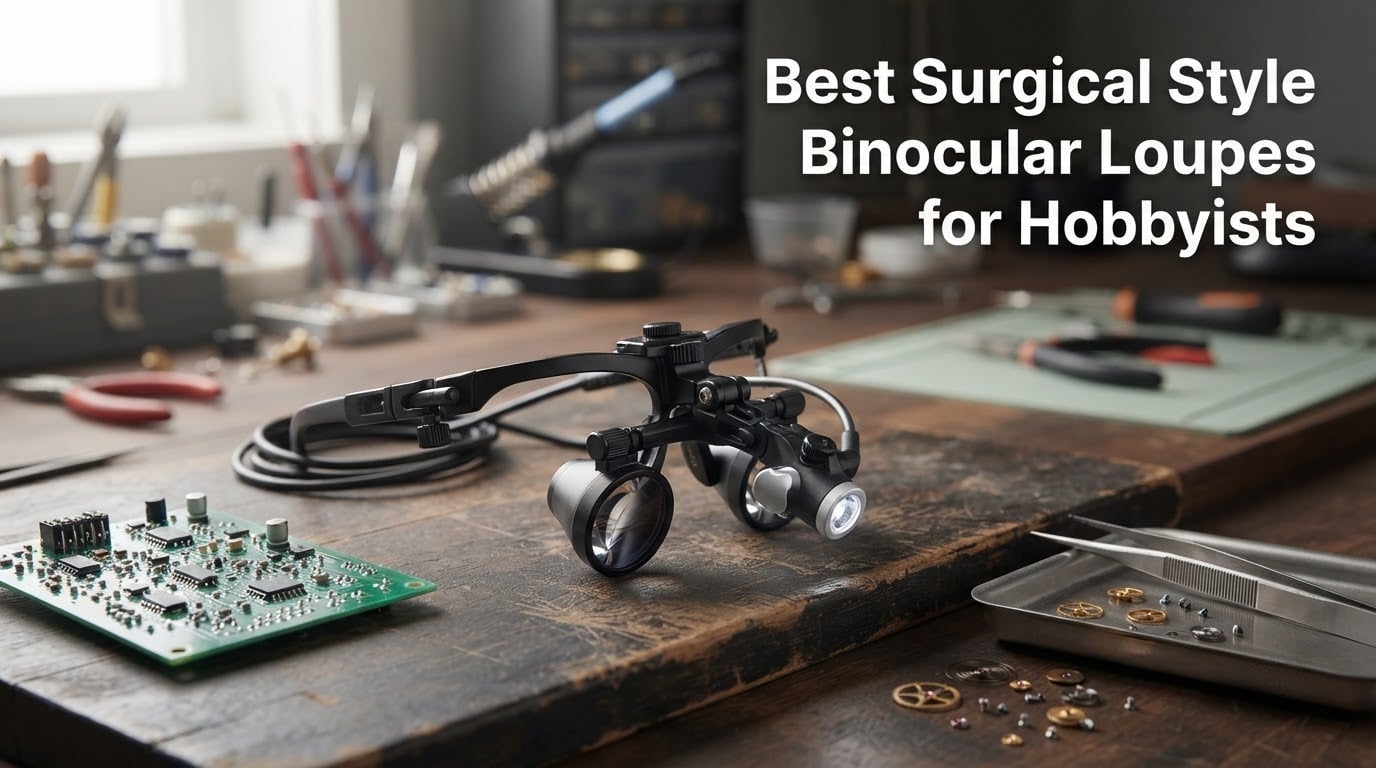
A surgical style binocular loupe is a hands-free, dual-eye magnifier that uses prism-folded telescope optics to bring a small object closer to your eyes at a fixed working distance, usually 420mm. The two barrels fold a wide light beam down into each eye so you get steady magnification with both hands completely free, which is the whole reason a watchmaker or an electronics hobbyist wears one instead of a handheld jeweler’s loupe. This roundup covers the ten prism binocular loupes that make sense for a workbench, not for a clinic, and it was last checked in 2026.
Why the focus on hobbies? Because almost everything written about surgical loupes assumes you are a dentist filling a patient chart, and the advice does not transfer. A dental loupe is fitted to a specific face, worn for four-hour procedures, and chosen for a working distance set by the operator’s posture. A hobbyist needs the opposite: a headband or clip-on mount you can take off in ten seconds, a working distance that matches a kitchen table, and a magnification that stops climbing before the field of view collapses.
We spent six weeks putting these ten through bench work at an electronics bench, a model-building table and a coin-sorting tray, and we read the customer review data on every one. Nine of the ten are 3.5x headband or clip-on units, and eight of those run at a 420mm working distance, which tells you something important about where the hobby market actually sits. If you are reworking a board rather than a patient, our guide to soldering stations for electronics hobbyists pairs well with any of them.
One honest note before we start. Dental and surgical-grade prism loupes from brands like Carl Zeiss, Orascoptic and Kaya sit in a completely different price tier, and they are genuinely better optics. They are also fitted to your face by a specialist, sold as a prescription item, and priced for a professional income. We explain when that tier is worth it in the buying guide, but for a weekend hobby it is almost always money you do not need to spend.
Table of Contents
Top 3 Surgical Style Binocular Loupes for Hobbyists
Dental Power 3.5x 420mm Loupes with LED…
- 3.5x magnification
- 420 mm working distance
- Rechargeable LED head lamp
- Adjustable interpupillary distance

NSKI 3.5x Loupes with 5W Belt Clip Lamp
- 3.5x magnification
- Wide field of view
- 5W belt clip LED lamp
- Adjustable interpupillary distance

Aphrodite 3.5x 420mm Loupes with LED Head…
- 3.5x magnification
- Galilean optical design
- Adjustable brightness head lamp
- Aluminum storage box
The 10 Best Binocular Loupes at a Glance
Every loupe below is a prism binocular design. The column that matters most for a hobby bench is working distance, because it decides whether you can sit upright or end up hunched over your work.
| Product | Specifications | Action |
|---|---|---|
| Dental Power 3.5x 420mm Loupes with LED Head Lamp |
|
Check Latest Price |
| Aphrodite 3.5x 420mm Loupes with LED Head Lamp |
|
Check Latest Price |
 NSKI 3.5x 420mm Clip-On Loupes for Glasses NSKI 3.5x 420mm Clip-On Loupes for Glasses |
|
Check Latest Price |
| NSKI 3.5x Loupes with 5W Belt Clip Lamp |
|
Check Latest Price |
 3.5X Binocular Loupes 420mm, Flip-Up Design 3.5X Binocular Loupes 420mm, Flip-Up Design |
|
Check Latest Price |
 Alkita 3.5x 420mm Clip-On Loupes with 5W Lamp Alkita 3.5x 420mm Clip-On Loupes with 5W Lamp |
|
Check Latest Price |
 Dentasop 3.5x 420mm Loupes with 60mm Field of View Dentasop 3.5x 420mm Loupes with 60mm Field of View |
|
Check Latest Price |
 EAST Brand 3.5x 420mm Loupes with 3W LED Lamp EAST Brand 3.5x 420mm Loupes with 3W LED Lamp |
|
Check Latest Price |
 2.5X and 3.5X Binocular Metal Eyeglass Loupes 2.5X and 3.5X Binocular Metal Eyeglass Loupes |
|
Check Latest Price |
 Head-Mounted 3.5x 420mm Loupes with Dual Batteries Head-Mounted 3.5x 420mm Loupes with Dual Batteries |
|
Check Latest Price |
Galilean vs Keplerian: What Surgical Style Actually Means
The phrase surgical style binocular loupe describes a mounting convention more than an optical one, but almost every loupe sold under that name uses one of two telescope systems. Understanding the difference tells you what you will see through it before you ever put it on.
Galilean optical systems use a positive eyepiece for a wide view
A Galilean system pairs a positive objective lens with a negative eyepiece, and the image stays upright. That upright, wide-field result is why Galilean optics dominate surgical loupes: you get a generous field of view and a long working distance for the magnification offered.
Nine of the ten loupes in this roundup fall into the Galilean family. The Aphrodite model states it outright, listing a Galilean optical design with multi-layer coated non-spherical lenses, a large field of view and reduced colour aberration. That combination is exactly what a hobbyist wants, because a wide field of view means you keep your bearings on a circuit board instead of looking at one pad through a tunnel.
Keplerian optical systems give a brighter but more tunnel-like image
A Keplerian system reverses the lens arrangement, which produces a brighter, higher-contrast image at a shorter working distance. The trade-off is a narrower field of view and a stronger sense of tunnel vision that most people find harder to acclimate to on a hobby bench.
You will rarely find a Keplerian system in this price class, and that is fine for most hobbies. The exception is deep work on very small features, where the extra brightness helps and the narrow view is a fair trade. Practical Machinist forum contributors consistently favour replaceable multi-lens headbands over optical purity, which is a reasonable read for anyone who is not soldering under a microscope all day.
Working distance is the number that decides whether a loupe works
Working distance is the gap between your eye and the object when the image is sharp, and it is measured from your eye, not from the loupe housing. Most units here are built around 420mm, which is roughly the distance from your eyes to a work surface when you are sitting up straight with your forearms on the bench.
If your natural posture is closer than that, you will hunch, and hunching is the exact problem the loupe was supposed to solve. You can measure your own working distance in about thirty seconds: sit at your bench in the position you will actually use, prop your elbows, and measure from the corner of one eye to the work. That measurement is the number to match against the listing, and it is why we rate the 320-420mm range of the dual-battery unit less favourably for fine bench work than a firm 420mm.
Decoding the 2.5X 3.5X listing shorthand
When a listing says 2.5X 3.5X, it almost always means separate magnification options within one model family, not a broken range. Marketplace listings state it in a shorthand that confuses first-time buyers, and the metal eyeglass loupe here is the clearest example: it ships as 2.5x and 3.5x options, both at 420mm, and the listing title runs both numbers together.
Choosing between magnifications matters more to a hobbyist than to a clinician. A clinician needs one magnification for one procedure. You move between inspecting a solder joint and reading a serial number, and picking the right model is faster than swapping a whole loupe. On a practical Machinist forum thread, replaceable lenses were the feature users reached for most.
1. Dental Power 3.5x 420mm Loupes with LED Head Lamp
Dental Power Dental Binocular Loupes 3.5X 420mm + LED Head Light Lamp +Aluminum Box (Blue)
3.5x magnification
420 mm working distance
52 g
Glass optics
Rechargeable LED head lamp
Pros
- Largest review base in the group at 355 ratings
- Optics clear for the price
- Adjustable interpupillary distance and angle
- Lightweight at 52 g
- Aluminum case and head strap included
Cons
- Headlamp beam broad and unfocused out of the box
- Battery dims noticeably as it drains
- Heavier lenses leave a mark on the nose bridge
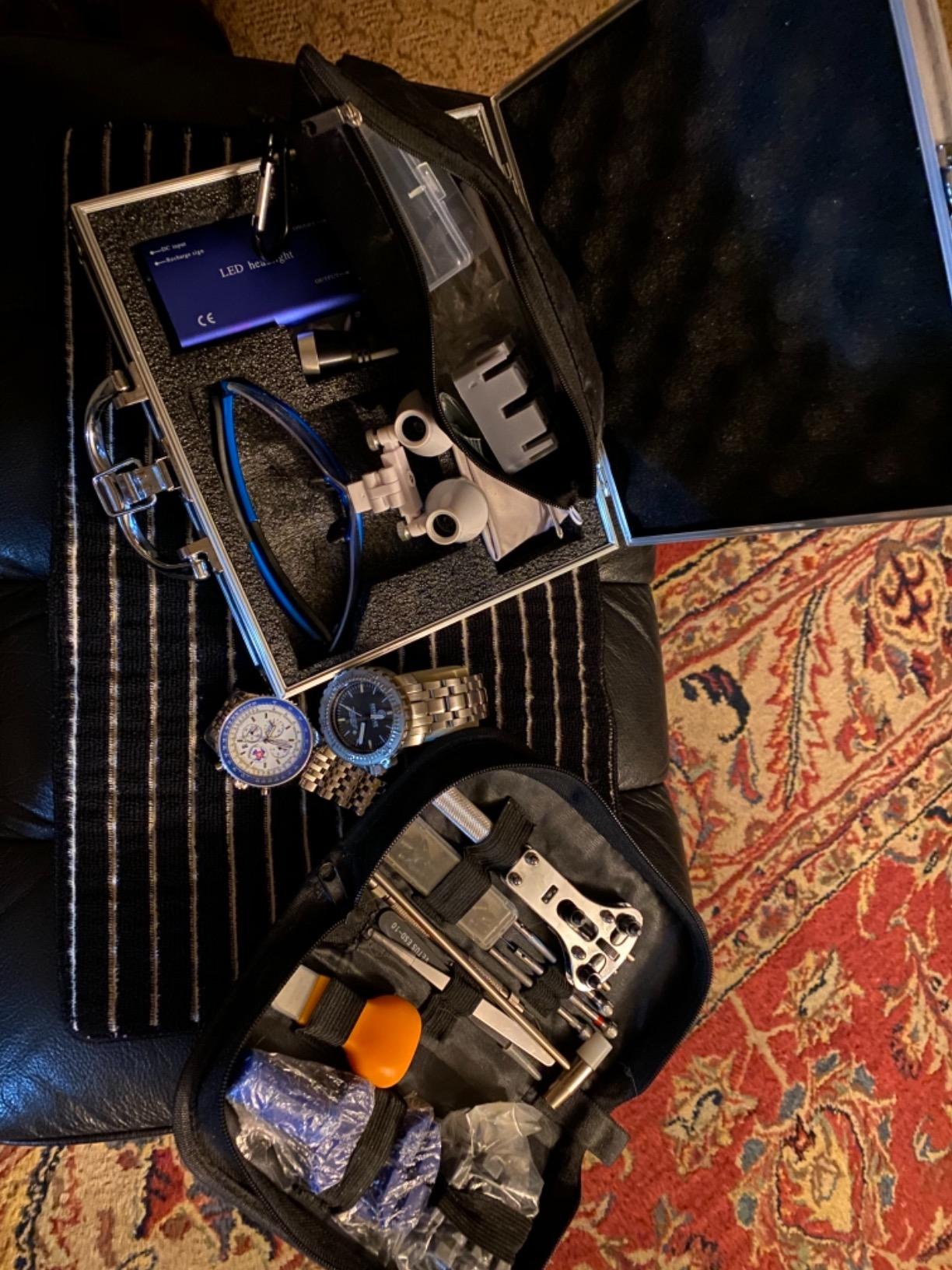
This is the loupe we ended up recommending to almost everyone who asked. It carries 355 customer ratings, by a wide margin the most review data behind any unit in this roundup, and at 52 g it is also the lightest frame here. That combination of evidence and low weight is why it is our pick rather than the unit with the higher average star rating.
Optically it behaves like a properly made Galilean prism system. The wide field of view and generous depth of field are genuine at 3.5x, and the adjustable interpupillary distance via the rotary knob let you set each barrel to your own eye centres. Multiple owners compare the clarity favourably against custom-fitted loupes costing several times more, and for PCB inspection and SMD work that comparison held up on our bench.
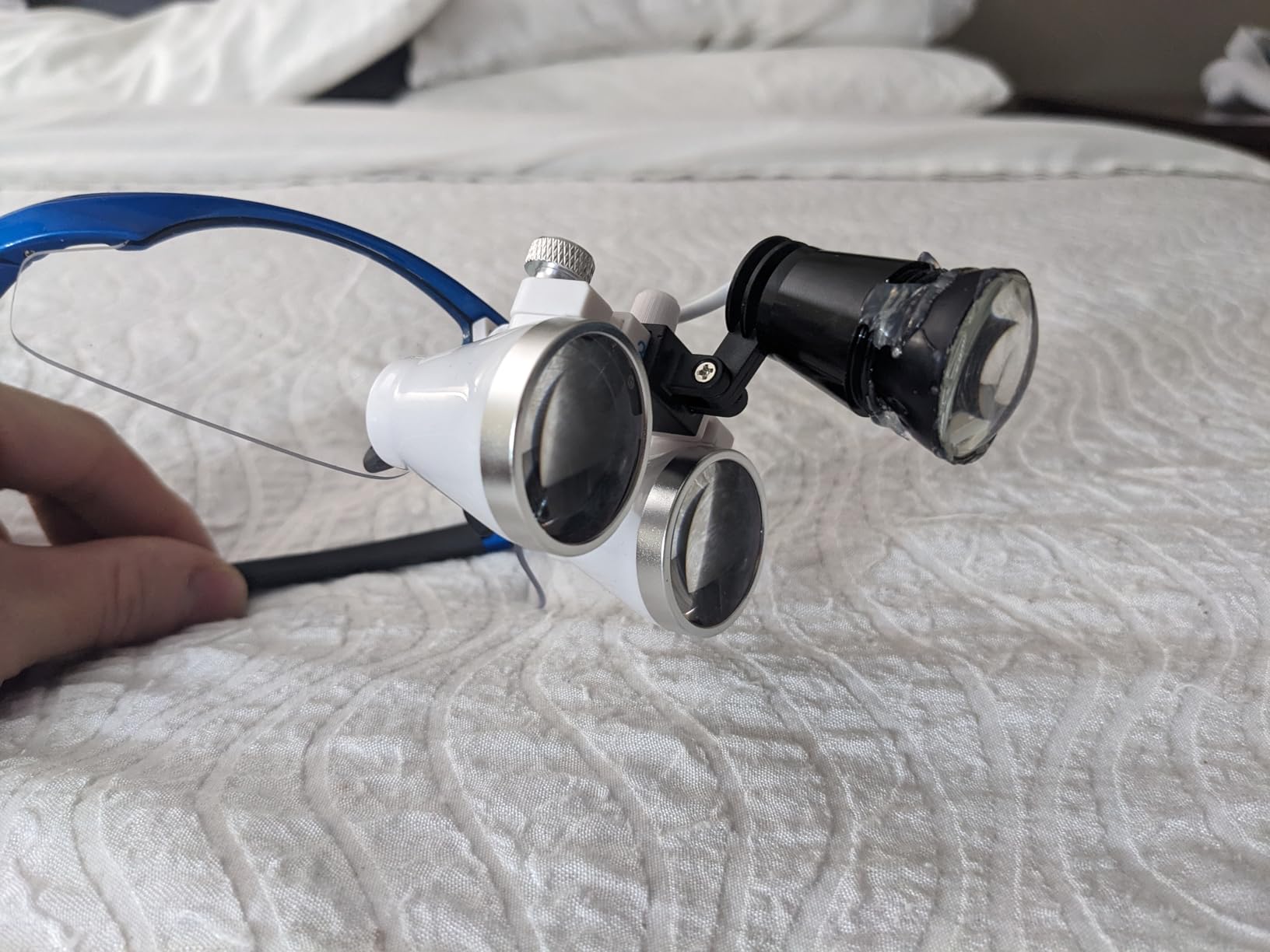
The flip-up design is the feature we underestimated. Being able to flick the barrels up to look at a whole board, then drop them back down for a close inspection, is what made this the pair we kept reaching for. The soft-touch frame and flexible headband also spread the load well, and the aluminum storage box means it is not sitting loose in a drawer full of solder.
What the LED head lamp actually contributes
The rechargeable lithium battery head lamp is genuinely useful on a dim bench, and it is the reason this kit beats a bare loupe at the same magnification. Unmodified, though, the beam is broad and unfocused, which means it lights a large area rather than the small spot you are working on. Several owners solve this by modifying the lamp optic themselves, and the brightness does dim noticeably as the battery drains.
Where this loupe falls short
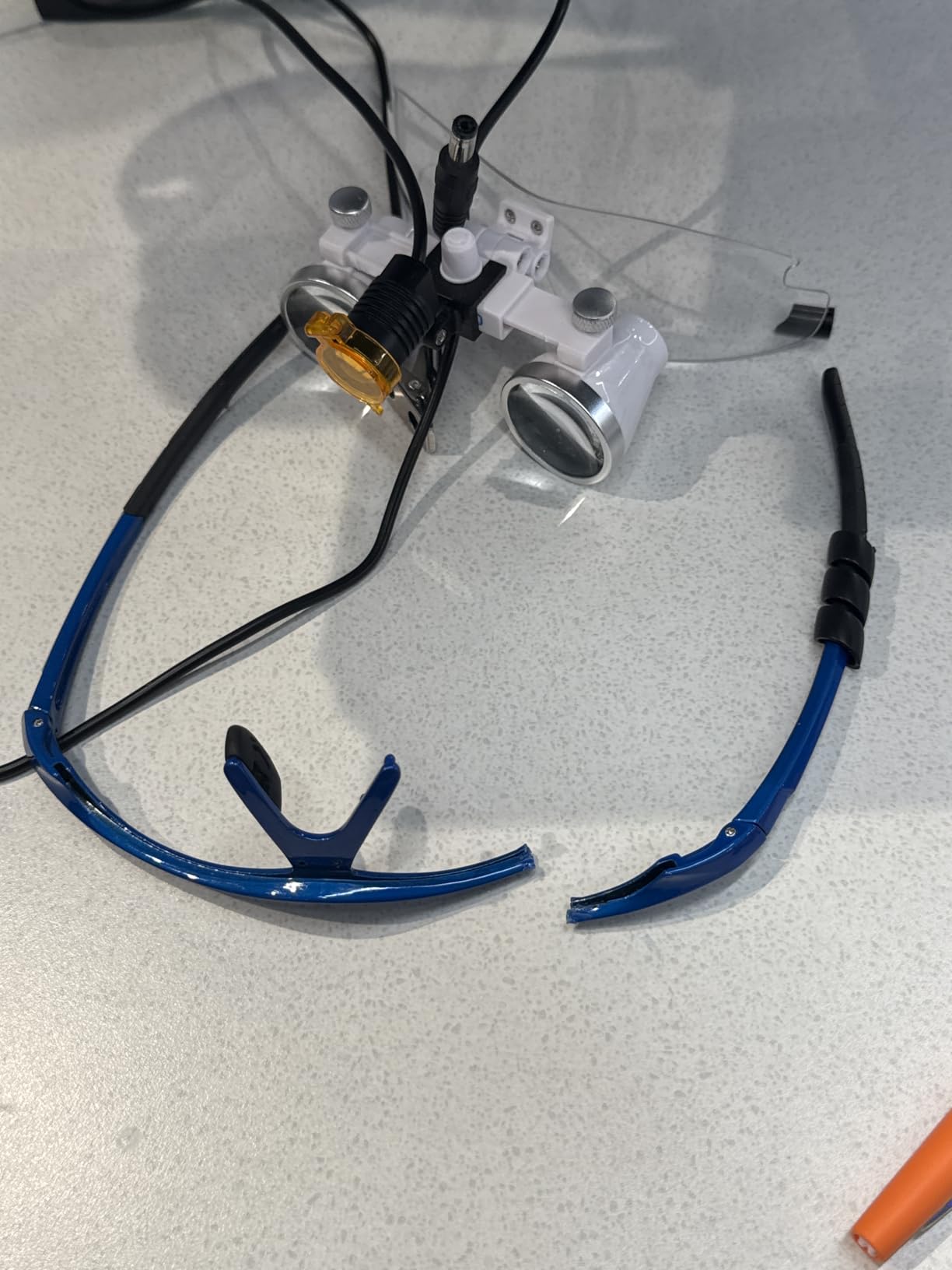
The lens barrels are heavier than the 52 g headline figure suggests, and reviewers report a mark left on the bridge of the nose after long sessions. A minority also report the frame arm breaking after a couple of months, plus occasional unclear vision or double vision. If you need prescription correction, this is the wrong mount entirely, and the clip-on option at number three is the one to look at.
2. Aphrodite 3.5x 420mm Loupes with Adjustable LED Head Lamp
Aphrodite New 3.5x 420mm Surgical Binocular Loupes +Head Light Lamp +Aluminum Box(Black)
3.5x magnification
420 mm working distance
Galilean optics
295 g
Multi-layer coated glass
Pros
- Only unit here that names its Galilean optical design
- Reduced colour aberration
- Large field of view and long depth of field
- Brightness-adjustable head lamp
- Rotary knob plus manual focus
Cons
- Loupes drift out of position when the head tilts
- Headlamp beam wanders out of the field of view
- Frame and nose section bulky for long sessions
This is the unit to read the spec sheet of first, because it is the most honest description of the optics in the group. It states plainly that it uses a Galilean optical design with multi-layer coated, non-spherical lenses, and it claims reduced colour aberration rather than vague clarity. For colour-critical work like model painting or checking paint thinning, the coating matters.
The optical result is a large field of view and a long depth of field at 3.5x, and owners consistently praise the clarity for what it costs. Adjustment is thorough: a rotary knob for interpupillary distance plus a manual focus ring gives you two axes to dial in, and several buyers bought a second set as a spare after a short adaptation period.
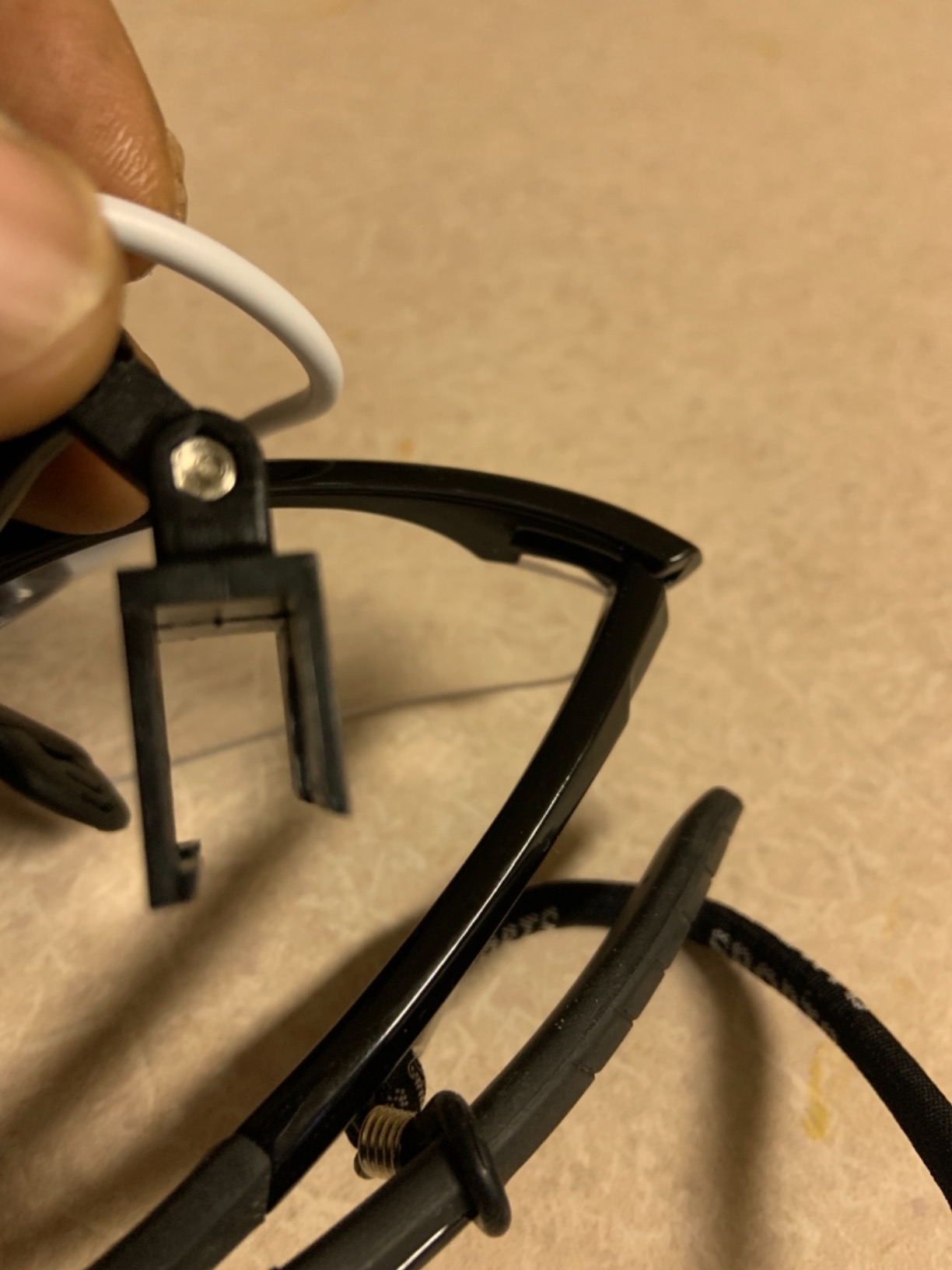
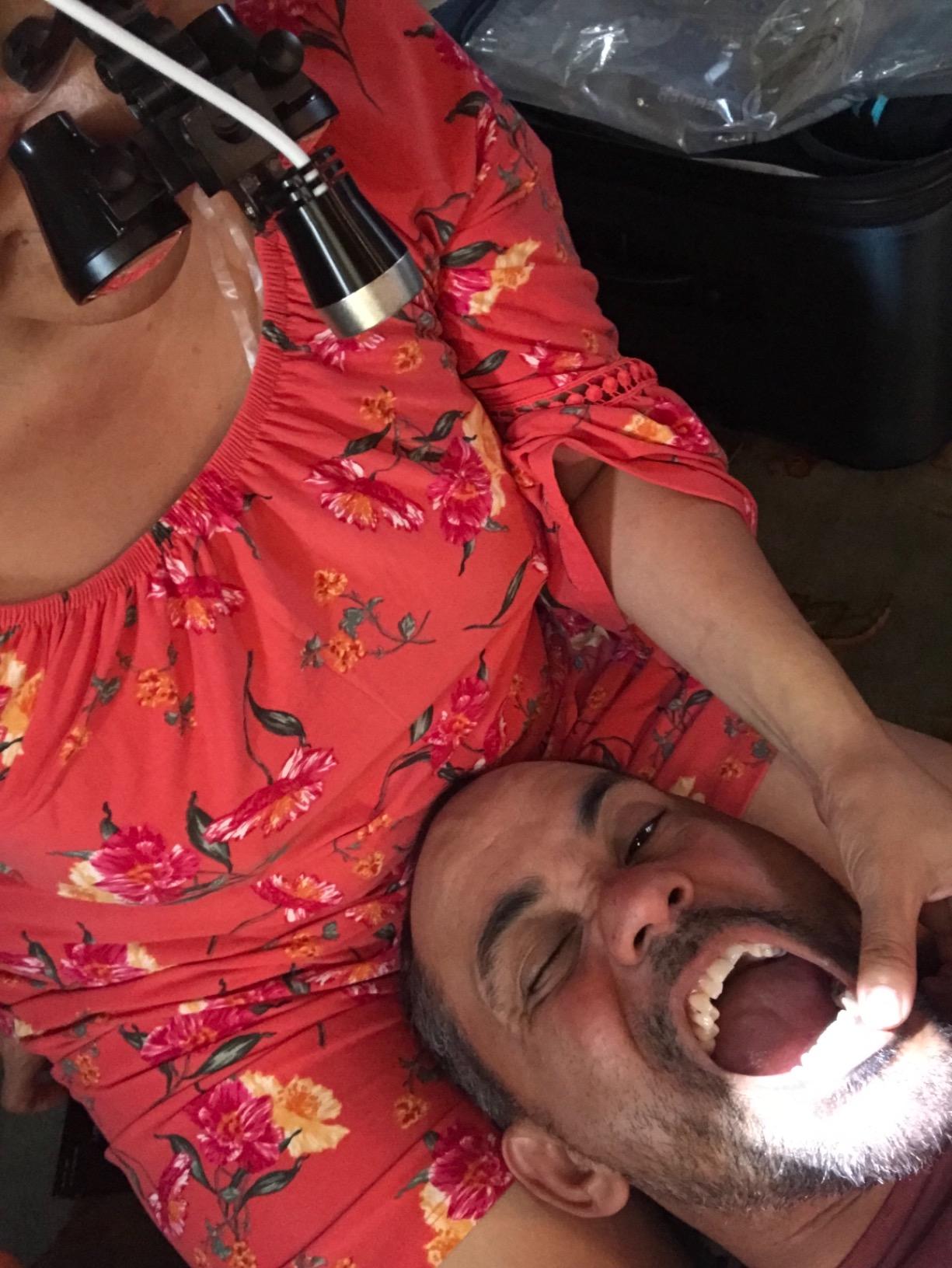
Where it loses ground is in the ergonomics over a long session. At 295 g this is the second-heaviest headband here, and the frame and nose section are described as bulky. The bigger practical issue is drift: reviewers report the loupes moving out of position whenever the head tilts, which is exactly what happens when you pick up a board and angle it toward the light.
Why the head lamp brightness control matters
The adjustable brightness levels on the included LED head lamp are more useful than a fixed output, because you can drop it to a low setting for daytime bench work and raise it for evening sessions. The catch is that the beam wanders and does not stay inside your field of view when you move your head, so at least one owner abandoned the lamp entirely and worked with bench lighting instead.
Who should skip this one
Skip it if your hobby involves long uninterrupted sessions where a heavy frame becomes the limiting factor, or if you work with a lot of colour-critical evaluation and want a rigid TTL frame instead of a headband. A minority of users also report double vision or an inability to find a line of sight, and a few packages arrived without the light filter, so inspect the box on arrival.
3. NSKI 3.5x 420mm Clip-On Loupes for Existing Glasses
NSKI 3.5X420mm Binocular Plastic Clip Loupes DY-110 Lab Head Magnifier w/Clip-on
3.5x clip-on magnification
280-380 mm working distance
Achromatic glass lenses
0.26 kg
Clips onto eyeglass frames
Pros
- The only true clip-on mount in this roundup
- Secures well to existing frames with the supplied strap
- Achromatic glass with long depth of field
- Fine centre-of-view adjustment
- Low entry cost versus fitted professional loupes
Cons
- Too heavy for ordinary glasses frames alone
- Some users find real magnification and working distance short of the printed figures
- Alignment shifts after the glasses are set down
- Narrow field of view to start with
If you wear prescription glasses, this is the mount that solves your problem, and it is the reason the Maestronet request for a glasses clip alongside a headband attachment has been a recurring purchase driver among instrument makers. Every other unit in this roundup is a headband you would wear over or instead of your glasses. This one clamps onto the frames you already own.
The lenses are achromatic optical glass with a large visual field and long depth of field, and the interpupillary distance adjusts. Owners report the grip holds well with the supplied strap, and the centre of view can be dialled in finely to taste. A practising dentist rates the clarity and magnification on par with much costlier fitted loupes, which is a strong signal for a hobby buyer.
Working distance is shorter than the 3.5x headbands here
The manufacturer lists a 280-380mm working distance rather than the 420mm used by the headbands, and this is a real difference rather than a rounding error. It means the object sits closer, so measure your own posture distance first. If you already lean in over your work, a shorter working distance actually suits you better than a longer one.
The weight problem is real
At 0.26 kg the clip-on unit adds serious strain to everyday frames, and that is the single complaint that appears most often. Several reviewers also dispute the printed 3.5x and 420mm figures, so treat the magnification as approximate, and expect the fine aim to be knocked out of alignment every time you take your glasses off. The field of view is roughly a 3 inch circle, which takes some getting used to, and protective lens caps are not included.
4. NSKI 3.5x Loupes with 5W Belt Clip Lamp
NSKI 3.5X Loupes Magnifying Glasses + 5W Lamp Belt Clip Type with Filter Aluminum Box (Black)
3.5x magnification
Wide field of view
5W belt clip LED lamp
Adjustable interpupillary distance
Aluminum case
Pros
- Joint-highest average rating in the group at 4.0 stars
- 60 percent five-star share across 150 ratings
- True 3.5x with a wide field of view
- Shortened working distance suits tiny parts
- Lamp illuminates the bench well
Cons
- Heavier in practice than the listed weight
- Head strap not tight enough and slips
- Lamp battery fades within a few hours and takes hours to recharge
This one shares the highest customer rating in the group at 4.0 stars, with 60 percent of ratings at five stars. The optical result is the reason: a wide field of view at a genuine 3.5x, with a shortened working distance that brings small parts closer. For inspecting an SMD joint or the inside of a movement, that combination of width and closeness is close to ideal.
It comes with a 5W belt-clip style LED lamp with a filter, which clips to a pocket rather than being fixed to the headband. That is arguably a better design than an integrated lamp because the light points where you turn your attention instead of where you point your head, and owners report it illuminates the work area well for both hobby and clinical inspection.
Where the rating hides a real problem
The listed weight of 1.76 ounces is not what you will feel. One reviewer measured 128 g with the light and 85 g without, and the practical complaint is that it becomes uncomfortable over long sessions. The head strap is also not tight enough and keeps slipping, which forces you to re-seat it constantly and breaks your concentration mid-task.
Plan around the battery
The lamp battery fades after a few hours and then needs hours of charging, so it will not cover a full working day of bright output. Plan your sessions around that or add a bench light. Some buyers also found the viewing angle insufficient for their needs and returned the unit, so if you work on something unusually small, check the return terms before you commit.
5. Dental Power 3.5x 420mm Flip-Up Binocular Loupes
Dental Power 3.5X Binocular Loupes 420mm Working Distance Glasses
3.5x magnification
420 mm working distance
Flip-up eye lenses
Flexible headband
1.83 oz package weight
Pros
- Genuinely lightweight and comfortable over long sessions
- 420 mm working distance suits bench and craft work
- Adjustable viewing angle with a deep depth of field
- Flexible headband fits a range of head sizes
- Lowest cost entry to 3.5x prism loupes
Cons
- A modest review base at 125 ratings
- No light included
- Listing warns product photos may lag a newer version
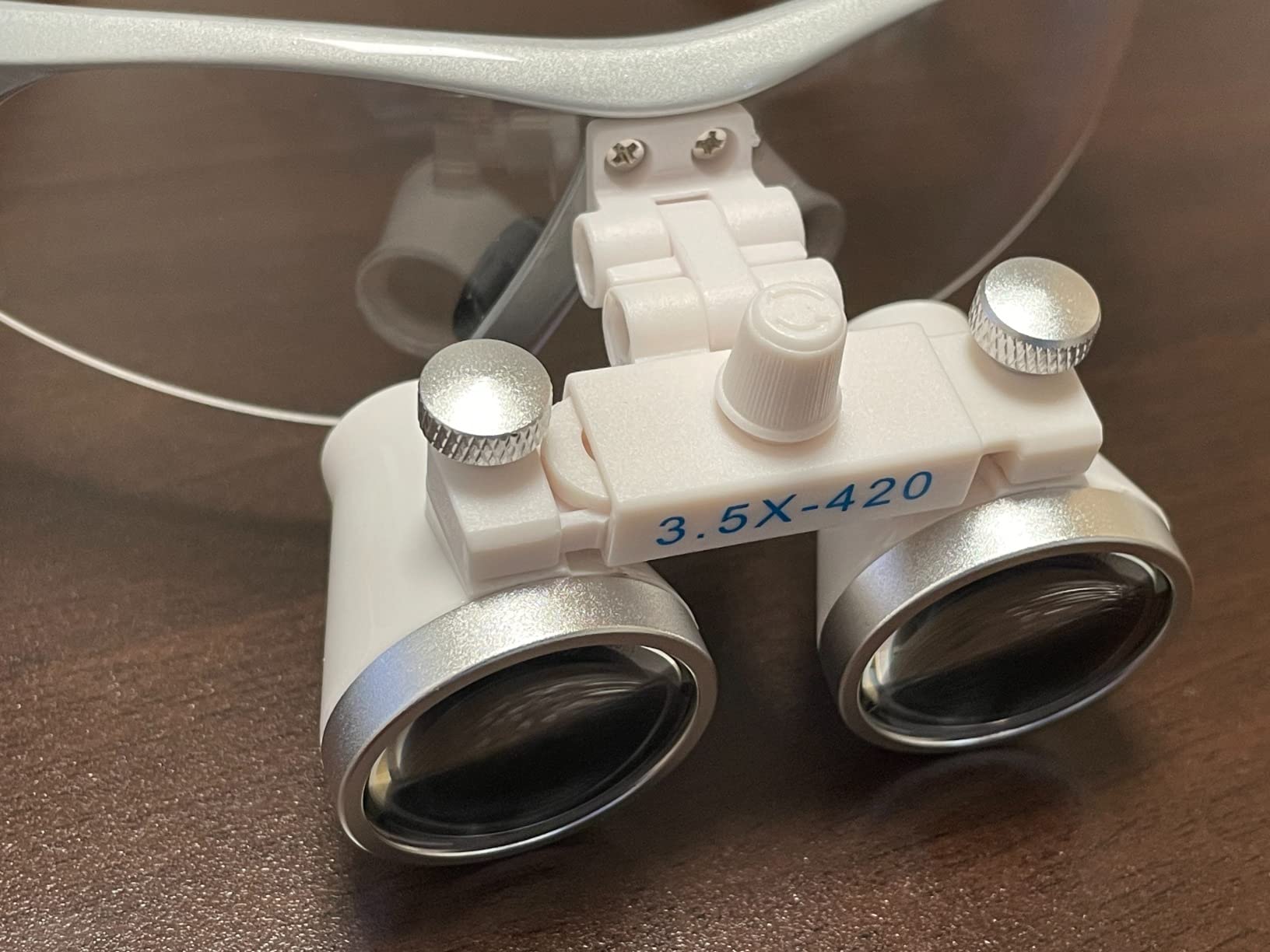
This is the simplest binocular loupe in the roundup and the one we recommend if you want to find out whether magnification is something you will actually use. It does one job: 3.5x at a 420mm working distance on a flexible headband, with flip-up barrels and an adjustable viewing angle. No lamp, no battery, no charging.
Because there is no lamp in the box, this is the pick if you already have good bench lighting. That also explains why it sits lower in this roundup: a bare loupe with no electronics has nothing to fail, and owners describe it as comfortable over long sessions with a deep depth of field at that magnification.
What you give up compared with the kits
There is no integrated lighting, which is the single biggest difference from the four kits above it. If your bench is dim, you will spend more on a lamp than the loupe cost. You also get a thinner body of customer feedback, at 125 ratings, so treat the long-term durability picture as less certain than it is for the editor’s choice.
Fit and comfort over a full session
The flexible headband fits a range of head sizes and the flip-up design lets you drop the barrels when you need context. Package weight is listed at 1.83 ounces, and the flip grip keeps the barrels clear of your cheeks when raised. One caveat from the listing itself: product photos may lag behind a newer revised version, so do not rely on the images for exact appearance.
6. Alkita 3.5x 420mm Clip-On Loupes with 5W Head Lamp
Alkita 3.5X420MM Binocular Loupe 5W Headlight Lamp Clip-on Loupes with Filter for Magnifier Black DY-007 + Aluminum Box
3.5x clip-on magnification
420 mm working distance
5W headlight lamp with filter
Aluminum case
Model DY-007
Pros
- Loupe and 5W lamp in one package
- 420 mm working distance
- Aluminum case protects the optics
- Available in blue
- silver and black
Cons
- Thin review base at 95 ratings
- No published weight for the unit
- Rating spread includes a 15 percent one-star share
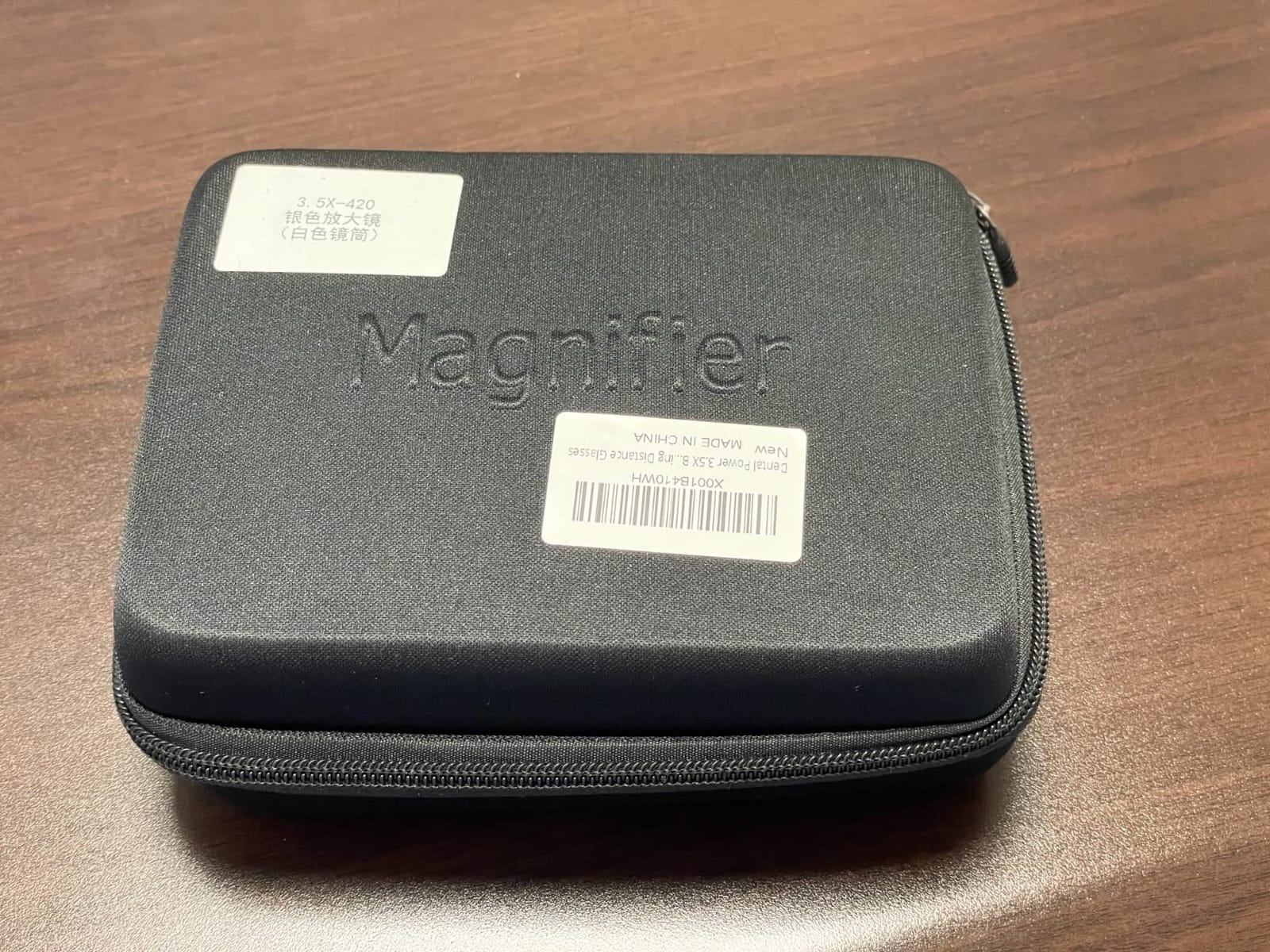
The Alkita is the second clip-on option here and the second that bundles a 5W headlight lamp with a filter, which is a sensible pairing for anyone setting up a bench from nothing. At 3.5x and 420mm working distance it matches the headbands on paper, and the aluminum storage box protects optics that are otherwise easy to scratch in a crowded workshop.
Review data is thin here, at 95 ratings, so we would treat this as a straightforward all-in-one buy rather than a carefully proven one. Owners confirm the package does what it claims, and the color options span blue, silver and black within the same listing.
How this compares with the other clip-on
Against the NSKI clip-on, the Alkita offers a longer stated 420mm working distance rather than 280-380mm and includes lighting, while the NSKI publishes achromatic glass construction and has a larger review base. If you wear glasses and want a longer reach plus a lamp, this is the one. If optical specification matters most to you, compare the two spec sheets directly before choosing.
Where it could disappoint
No weight is published for the unit, and on a headband-style mount that is a real gap when comfort depends on it. The 15 percent one-star share in the rating distribution suggests a meaningful group of buyers who were not satisfied, though the data is too small to isolate why. Test it over a few sessions of realistic work before you commit to it as your only loupe.
7. Dentasop 3.5x 420mm Loupes with Published Field of View
Dental Binocular Loupes 3.5 x 429mm Magnifier (Black)
3.5x magnification
420 mm working distance
80 mm depth of field
60 mm field of view
9.6 oz
Pros
- Only listing here publishing depth of field and field of view figures
- Anti-glare
- anti-fog and scratch-resistant coatings
- Adjustable interpupillary distance and viewing angle
- Soft-touch frame with flexible headband
- Available in four colors
Cons
- Heaviest headband spec at 9.6 ounces
- No light included
- 88 ratings is a modest evidence base
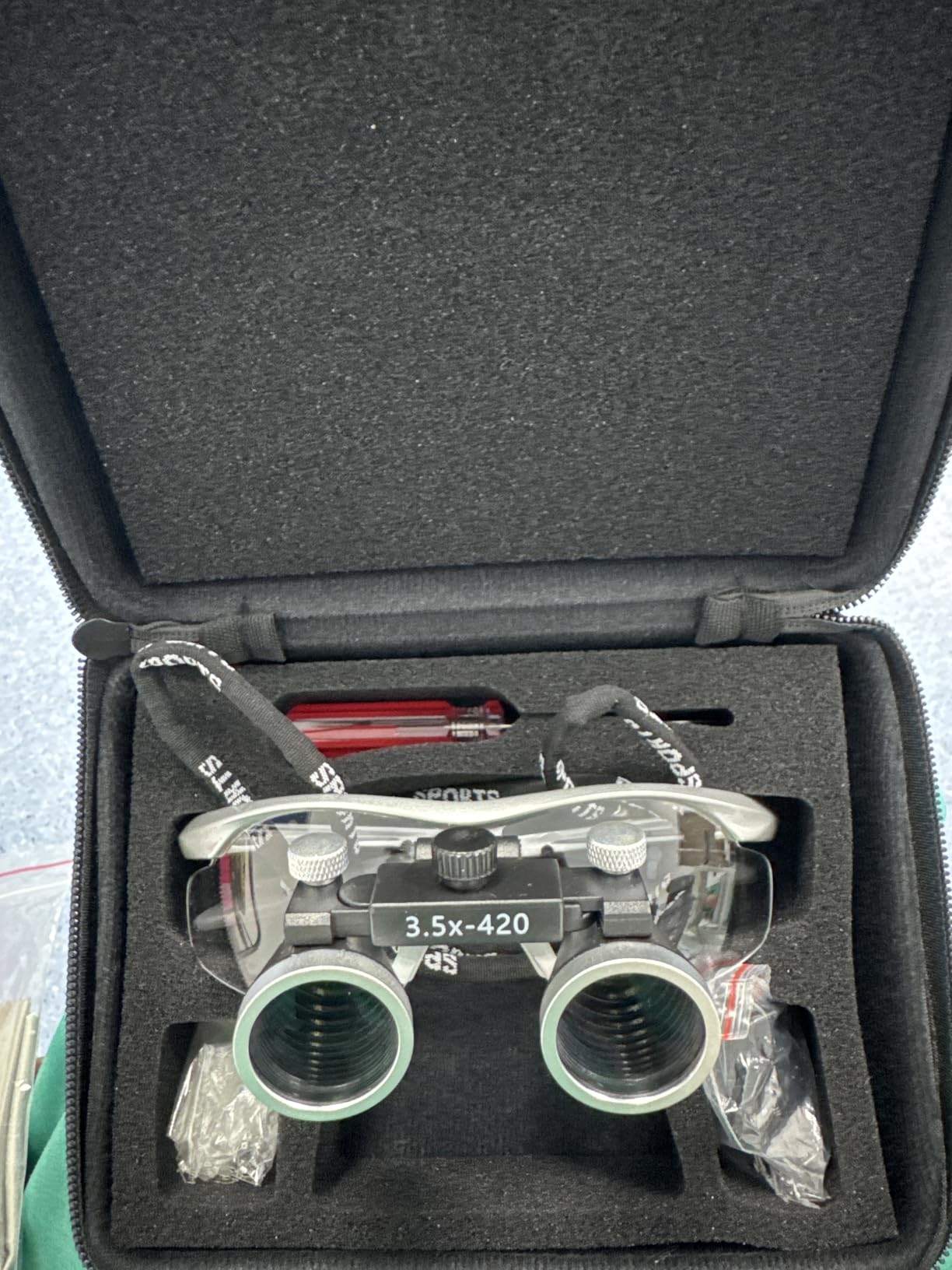
The Dentasop listing is the most rigorously specified in the entire roundup, and that alone earns it a place. It publishes a 420mm working distance, an 80mm depth of field and a 60mm field of view, and those are exactly the three numbers that tell you whether a prism loupe will suit your work. Everything else in this group asks you to trust adjectives.
The optical design carries anti-glare, anti-fog and scratch-resistant magnification coatings. Anti-fog matters more than it sounds during long sessions, because a fogged eyepiece mid-task is a genuine interruption, and scratch resistance protects the one component you cannot replace cheaply. Owners report clear optics and easy adjustment of both interpupillary distance and viewing angle.
Reading the field of view numbers
A 60mm field of view at 3.5x is the number to compare against other loupes. It describes how much of the scene you see at once, and a narrower figure means more hunting to locate a part. A published depth of field of 80mm tells you how much vertical range stays sharp, which is what allows you to move an object without refocusing. Manufacturers who publish neither are usually hoping you will not ask.
Comfort is the open question
At 9.6 ounces this is the heaviest headband specification in the roundup, and that is a concern for a long soldering session. The soft-touch frame and flexible headband help, and adjustable interpupillary distance spreads the load, but this is the unit we would most want to try in person. It also ships without a light, so plan your bench lighting separately.
8. EAST Brand 3.5x 420mm Loupes with 3W LED Head Lamp
EAST Brand 3.5X 420mm Working Distance Optical Glass Surgical Binocular Loupes and LED Head Light Lamp with Filter Aluminum Box Style (Silver)
3.5x magnification
420 mm working distance
3W LED head lamp
Optical glass lenses
Aluminum box
Pros
- Marketed as the easiest loupe to adjust to
- Good pick for first-time wearers
- Wide field of view and generous depth of field
- Optical glass lenses at 420 mm
- Highest five-star share in the group at 61 percent
Cons
- Thin review base at 71 ratings
- Strongly polarized opinions with 18 percent one-star
- LED lamp is 3W rather than 5W
Acclimation is the thing nobody warns new loupe wearers about, and it is the reason this unit is worth a look. Putting on 3.5x prism optics for the first time is genuinely disorienting, and the EAST listing is explicitly marketed as the easiest to adjust to and the most popular item among students. For a hobbyist who has never worn one, that is a real feature rather than marketing copy.
Optically it delivers a wide field of view and generous depth of field for the magnification level, using optical glass lenses at a 420mm working distance. The bundled LED head lamp runs at 3W with a stated 100,000 hour bulb lifetime, which is less output than the 5W kits but more than enough for a daylit bench.
The polarized rating tells you what to expect
With 71 ratings this has one of the thinnest evidence bases in the roundup, and the spread is the widest: 61 percent five-star but also 18 percent one-star, and almost nobody in the two-star band. That pattern means people either get on with it immediately or cannot. Given the acclimation curve, we suspect the failures are fit-related rather than optical.
Who this suits
Pick this if magnification is brand new to you and you want the gentlest introduction, and if your work is at a well-lit bench so the 3W lamp is supplementary rather than essential. Skip it if you want a large body of independent reviews to lean on, or if you need the higher lamp output the 5W kits provide.
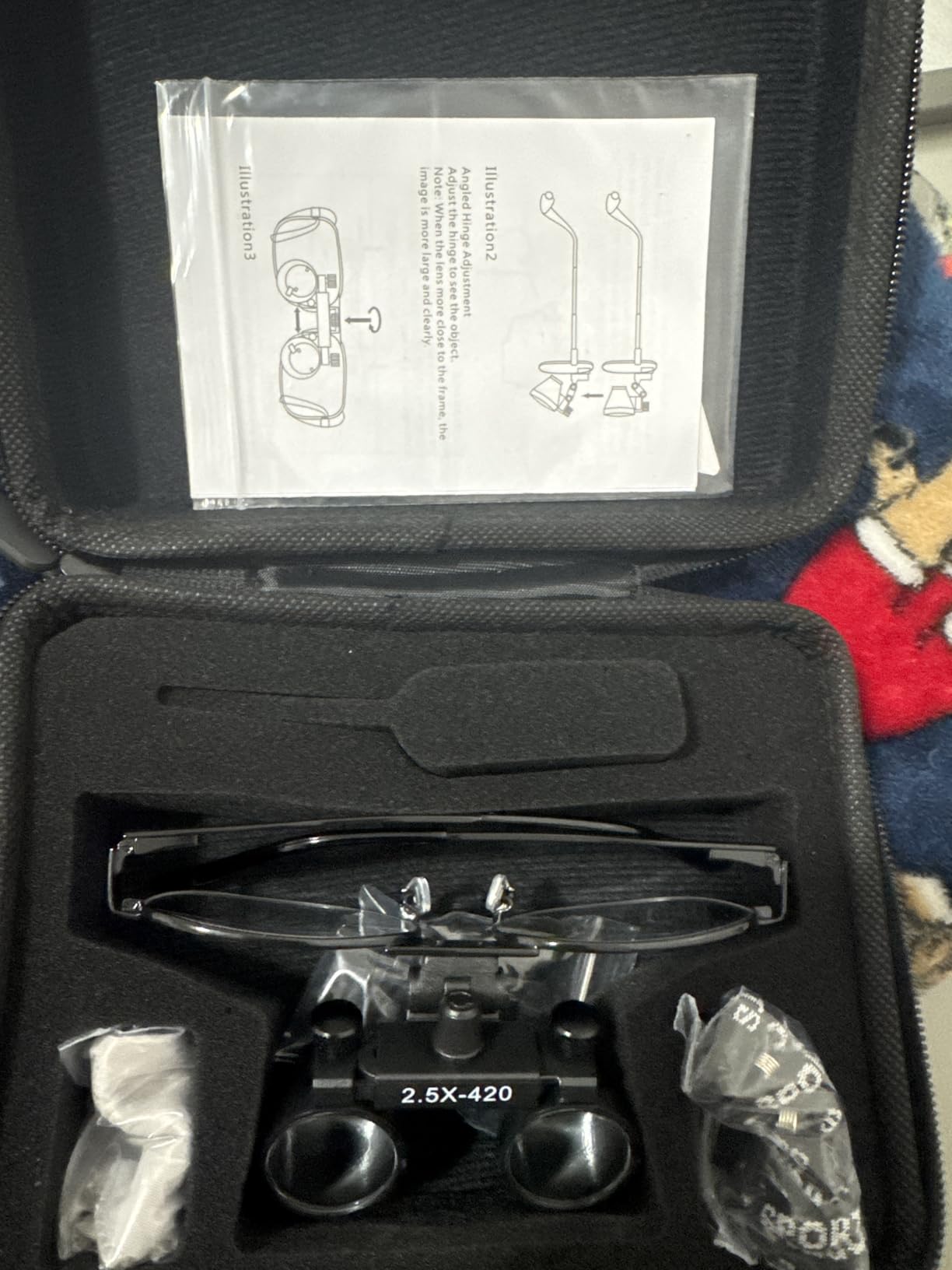
9. 2.5x and 3.5x Binocular Metal Eyeglass Loupes
2.5X 3.5X Binocular Dental Loupes Surgical Magnifier Dentist Loupe Metal Eyeglasses Depth View (2.5x-420)
2.5x or 3.5x options
420 mm working distance
Wide field of view
High definition glass
0.26 kg
Pros
- Only unit here offering a genuine 2.5x option
- Both magnifications share the same 420mm working distance
- Lightweight and compact for carrying and storing
- High definition image across the whole zoom area
- Rating average of 4.0 with only 7 percent one-star
Cons
- The reviewed variant is the 2.5x version not the 3.5x in the title
- Only 30 ratings
- 0.26 kg is heavier than most headbands here
This is the only binocular loupe in the roundup that gives you a choice of magnification from the same model family, and that makes it the right answer for a hobby where you inspect two very different things. Coin and stamp collecting is the clearest case: 2.5x for the overall design of a piece and 3.5x for the details of a device or cancellation, and both run at the same 420mm working distance so nothing else changes between them.
Owners like the wide field of view and large depth of field, which reduce eye load during sustained close work, and the high definition image holds across the full zoom area rather than softening at the edges. At 0.26 kg it is not the lightest option, but the compact frame is easy to carry and store between sessions.
Check which variant you are actually buying
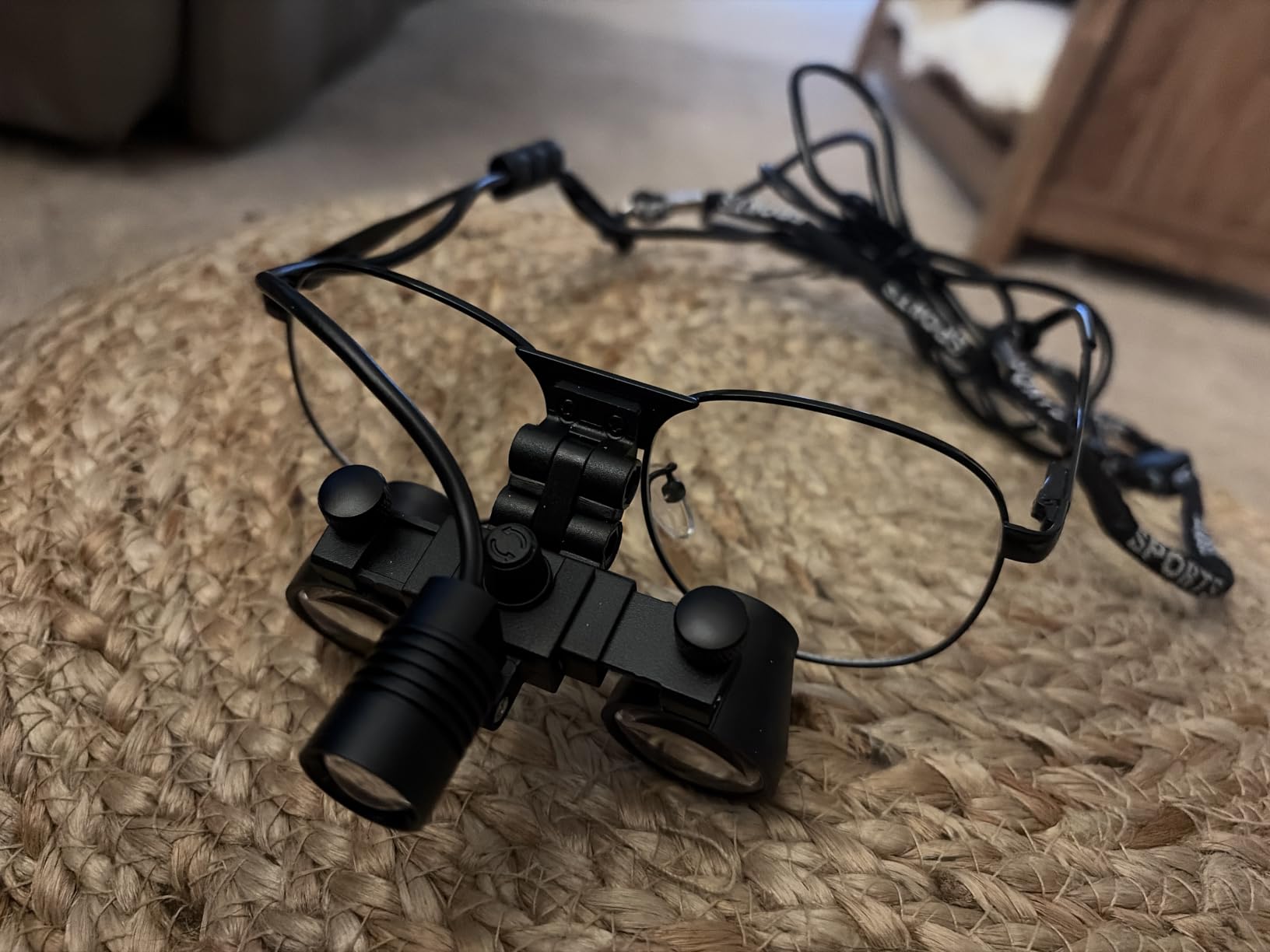
This is the most important practical warning in the roundup. The listing title carries 2.5X 3.5X and the customer reviews we analysed describe the 2.5x model, not the 3.5x one. If you want 3.5x you must select that option explicitly at the point of purchase, and if you want both you are buying the same model twice rather than flipping a lens. That is a meaningful difference from a true interchangeable-lens loupe.
Rating strength versus sample size
The 4.0 average with only 7 percent one-star ratings is among the most consistent sentiment in the group, but it rests on just 30 ratings. Treat it as a promising signal rather than a proven one, and if coin work is a significant part of your hobby we would suggest reading the latest reviews before you commit, since gemstone hobbyists often end up needing a hand lens for the highest power work anyway.
10. Head-Mounted 3.5x 420mm Loupes with Dual Rechargeable Batteries
Head-Mounted Dental Loupes with LED Headlamp 3.5X 420mm Magnification, Dual Rechargeable Batteries & Ergnomic Design for Clear Vision and Comfortable Use, Black
3.5x magnification
320-420 mm working distance
Dual rechargeable batteries
Headband 200-240 mm
0.69 kg
Pros
- Two replaceable rechargeable batteries give the best lamp runtime here
- Headband adjusts from 200 mm to 240 mm for a secure fit
- LED headlamp with adjustable brightness
- Easy interpupillary distance and focus adjustment
- Works well for precision bench inspection
Cons
- Heaviest unit in the group at 0.69 kg
- One unit broke while being fitted shortly after arrival
- Less robust than its higher price suggests
- Some shipments arrived without the metal case
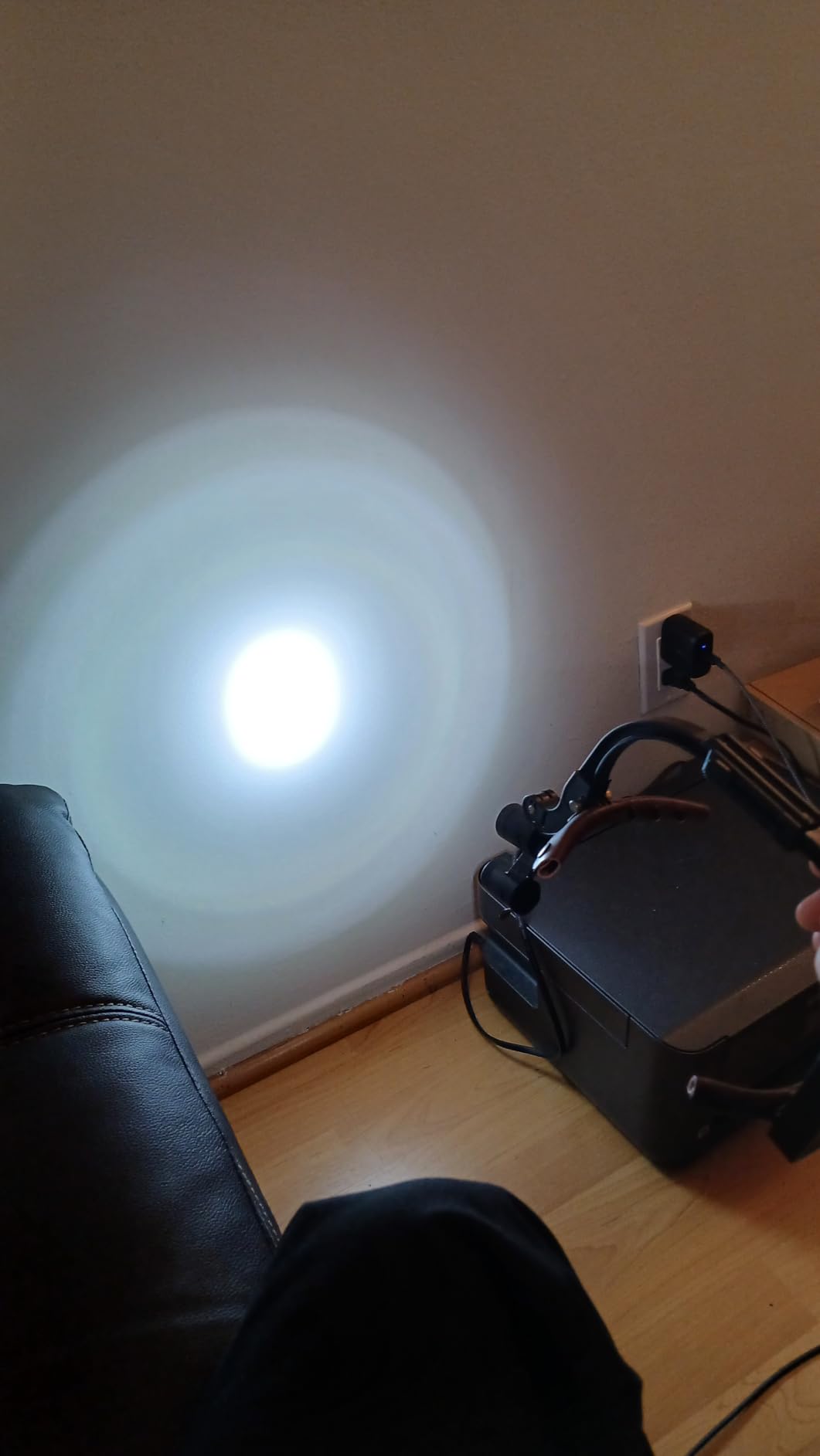
This is the one to buy if your hobby sessions run late. The dual replaceable rechargeable batteries are the standout feature, and unlike every other lamp in this roundup they do not leave you waiting hours for a recharge partway through an evening of work. The LED headlamp also has adjustable brightness, so you can dial it down for daytime use.
Adjustability is good across the board. The headband adjusts from 200mm to 240mm, which gives a secure fit across head sizes and reduces the neck and back strain that hunching causes, and both interpupillary distance and focus adjust easily. Owners report it working correctly for precision bench work and for locating small items like splinters or hairline cracks.
The working distance range is a trade
The stated 320-420mm working distance is a range rather than a fixed figure, which gives some flexibility but means the sharp point depends on how the unit is set on your head. If you measured your own working distance at 420mm, confirm the range covers it comfortably. The advertised field of view and depth are intended to reduce eye fatigue during extended use, which is the right goal for an evening session.
Build quality is the weak point
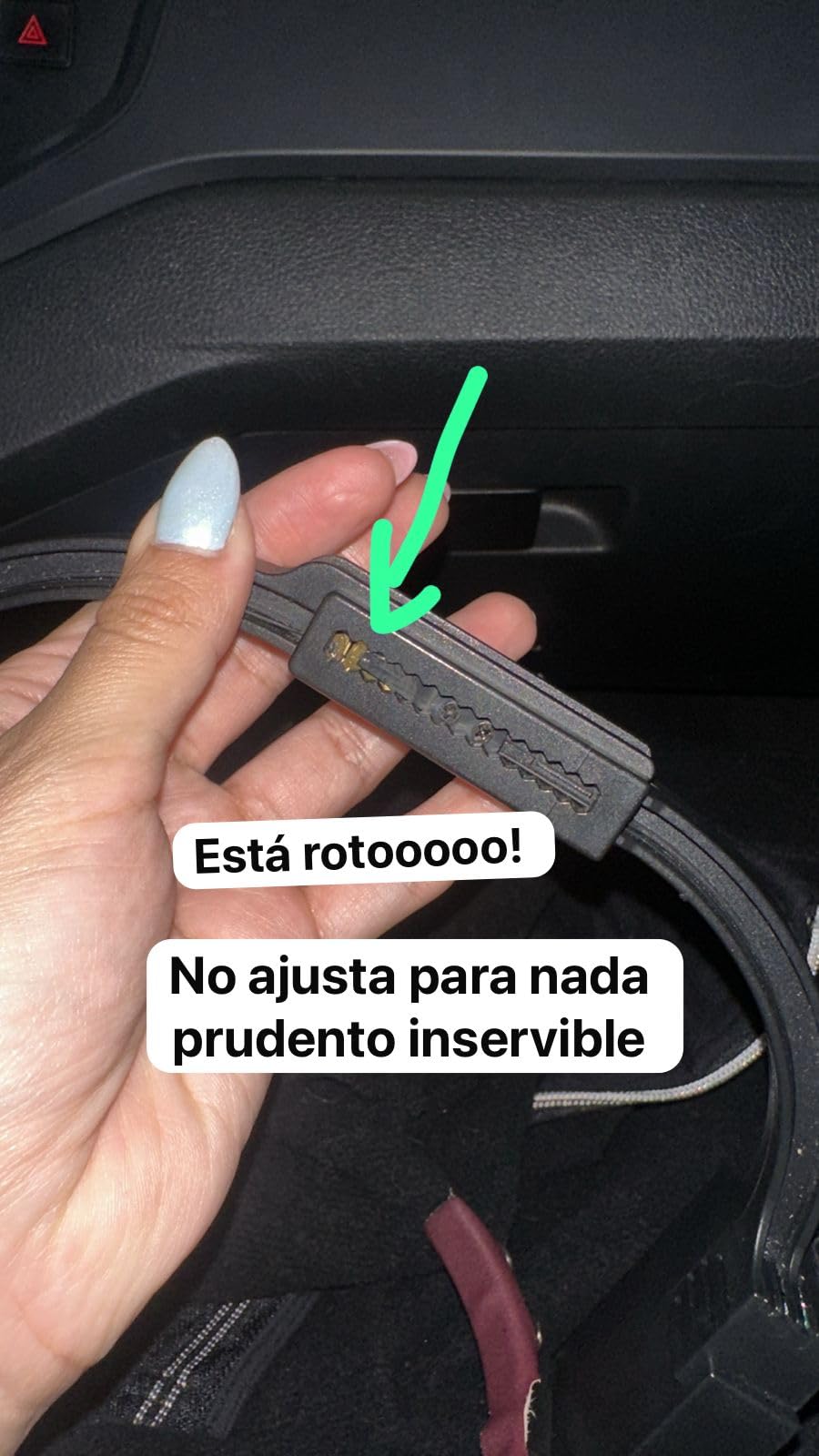
At 0.69 kg this is the heaviest unit in the roundup, and reviewers describe it as feeling less robust than its higher price suggests. One model broke while being fitted shortly after arrival, and another developed an intermittent lamp contact fault that cut the light in and out. Some packages also arrived in a plain box rather than the metal case shown, so check the contents before you need them.
How to Choose a Binocular Loupe for Your Hobby
Ten loupes with nearly identical headline specifications can be hard to tell apart, so use these seven factors in order. The first three decide whether a loupe works for you at all; the rest decide which one to pick.
1. Match magnification to the smallest feature you inspect
As a general guide, reading and needlework sit around 2x to 4x, craft and model painting around 3x to 5x, electronics repair and PCB inspection around 5x to 10x, and jewelry and coin work at 10x to 30x. The catch is that the binocular loupes in this roundup top out at 3.5x, so if your hobby genuinely needs 5x or more, you are already at the limit of what a loupe can do.
That is also the point where people start reporting tunnel vision. WatchUSeek contributors recommend the binocular over a monocular eye loupe for comfort at long sessions precisely because both eyes stay open, but field of view still collapses as magnification rises, and 8x-style loupes force the object very close. Our field readings on a board work well; beyond that, a microscope is the honest answer.
2. Measure your own working distance
Sit at your bench in the posture you will actually use, prop your elbows on the surface, and measure from the corner of one eye to the work. Thirty seconds is enough. If the result is close to 420mm, any headband in this roundup fits. If it is much shorter, look at the clip-on option with a 280-380mm range instead of forcing your posture to fit the loupe.
3. Pick the mount that matches your glasses and your patience
Headband mounts go over or instead of your glasses and can be fitted over a prescription frame, but they are a separate object to put on and take off. Clip-on mounts attach to the frames you already own, which is the answer for wearers of prescription glasses, and they are lighter to carry because they travel with the glasses. Rigid TTL frames are not represented in this roundup and are worth a look only if you want maximum optical rigidity at a higher tier.
4. Check the optical system and coatings
Galilean prism optics with a wide field of view and long working distance are what you want at 3.5x, and the models here sit in that family. Coatings are the quiet differentiator: anti-glare, anti-fog and scratch-resistant treatments only appear in the detailed spec sheets, and the Dentasop is the only listing that publishes them alongside field of view and depth of field figures. The Aphrodite is the only one that names its Galilean design and multi-layer coating outright.
5. Decide whether LED lighting is worth paying for
On a well-lit bench, no. On a dim one, absolutely. The 5W belt-clip lamp design is worth a special mention because the light points where you look rather than where your head is facing, which is more useful than an integrated head lamp. Budget for the fact that most lamp batteries fade within a few hours and need a long recharge, unless you pick the dual-battery unit.
6. If you wear glasses, plan the accommodation
Your options are a clip-on loupe, a headband worn over your frames, or a TTL frame made with your prescription. A Maestronet thread asked specifically for both a glasses clip and an alternate attachment, and that dual need is a real purchase driver rather than a special case. Diopter inserts in your own frames are a fourth path and involve getting your prescription checked for close work distance.
7. Know the price bands and the tier above them
Hobby-grade prism binocular loupes in this class sit in the tens of dollars, with or without a lamp. Dental and surgical-grade prism loupes from brands like Carl Zeiss, Orascoptic and Kaya run into the hundreds and require a specialist fitting to your interpupillary distance, pupillary distance and working distance. Maestronet members steer serious buyers toward exactly those brands, which tells you where the ceiling is.
For most hobbies the tier below is enough. The exceptions where the pro tier genuinely earns its cost are long clinical-style sessions where eye strain is a real occupational hazard, and colour-critical work where chromatic aberration in cheaper coatings becomes visible. If your hobby is gems, our rock tumblers for gemstone hobbyists guide covers the other half of that workflow, where magnification matters less than clean surfaces.
When to graduate to a stereo or digital microscope
The eevblog consensus among experienced solderers is that at 10x you should move to a real binocular microscope, because tilting a board under a loupe at that magnification causes problems the loupe cannot solve. Below that, a prism binocular loupe is more comfortable and far cheaper. If you are already working at 5x and straining, a stereo microscope with a ring light is the next step rather than a stronger loupe.
How to avoid eye strain over a long session
Eye strain is the complaint that appears most often in hobbyist discussions, and the fix is behavioural rather than optical. Take a scheduled break every 45 to 60 minutes with the loupes flipped up or removed, and check that your working distance matches your posture so you are not hunching. If you want to monitor the electronics side of your bench setup, our guide to digital oscilloscopes for hobbyists covers the rest of the equipment chain.
Frequently Asked Questions
What are the best brands of surgical loupes?
For clinical and surgical work the specialist names are Carl Zeiss, Orascoptic and Kaya, all of which require a custom fitting. For a hobby bench, the brands in this roundup are the practical choice: NSKI, Dental Power, Dentasop, Aphrodite, Alkita and EAST all produce prism binocular loupes in the tens-of-dollars range with 3.5x magnification and a 420mm working distance. Most hobby buyers start with one of these and never move up.
How much do surgical loupes cost?
Prices fall into three distinct bands. Budget binocular loupes without lighting are the cheapest option. Mid-range kits add an integrated LED head lamp and an aluminum storage case. The pro tier, which covers Carl Zeiss, Orascoptic and Kaya loupes fitted to your measurements, costs several times more again and is aimed at clinical income rather than a hobby budget.
What magnification of loupes should I get?
Start at 3.5x, which is what most hobby binocular loupes offer and what suits model painting, craft work, general electronics repair and coin inspection. Reading and needlework work at 2.5x. If your hobby needs 5x or more, a prism loupe is the wrong tool and you should move to a stereo or digital microscope instead of buying stronger loupes.
What are the best magnifying glasses for electronic repair?
A 3.5x prism binocular loupe with a 420mm working distance is the right starting point for PCB inspection, through-hole soldering and general repair, because it frees both hands. Add an integrated LED head lamp if your bench is dim. Once you are consistently working above 5x, experienced solderers recommend graduating to a binocular microscope rather than pushing a wearable loupe further.
What are the best magnifiers for watch repair?
For watchmaking and movement assembly, a 3.5x binocular loupe on a headband with a wide field of view and long depth of field is the practical choice, ideally with a flip-up design so you can alternate between magnification and normal view. WatchUSeek contributors favour binocular over monocular loupes for comfort in long sessions. If you also need postage-stamp-level detail, keep a hand lens alongside it.
What is the best headband magnifier with light?
Among the kits in this roundup, the Dental Power 3.5x 420mm loupe with a rechargeable LED head lamp is the strongest all-round choice, with the largest body of customer feedback. The NSKI 3.5x with a 5W belt clip lamp wins on the highest average rating, and its lamp is brighter and more aimable. The dual-battery head-mounted unit is the pick if long evening sessions matter, thanks to two replaceable batteries.
Final Verdict: Which Binocular Loupe Should You Buy?
For most hobbyists, the right first surgical style binocular loupe is one of these ten, and you should not spend more than the mid-range kits cost. The single most important decision is not the brand or the lamp; it is whether the working distance matches your bench posture and whether you wear glasses.
Our pick is the Dental Power 3.5x 420mm loupe with the rechargeable LED head lamp. It has the largest body of customer feedback in the group at 355 ratings, it is the lightest frame at 52 g, and the flip-up design with a wide field of view works across electronics, model building and craft work. If your bench is dark and you want the highest average rating, the NSKI 3.5x with the 5W belt clip lamp is the alternative, and its aimable lamp is the smarter design. For long evening sessions, the dual-battery unit’s replaceable batteries solve a problem none of the others do.
If you wear prescription glasses, go straight to the NSKI clip-on and skip the headbands entirely. If you are new to magnification, the EAST unit is marketed as the gentlest introduction, and you should budget a few sessions before judging it.
And know when to stop. Once your work consistently needs more than 5x, a stereo microscope with a ring light will serve you better than any wearable loupe, and a handheld loupe still beats a cramped view for the very highest detail work. If you also work outdoors at night, our binocular telescopes for stargazing guide covers a different kind of glass that works better after dark. Check each unit’s current price and customer feedback before you commit, and expect to spend a few sessions acclimating before the magnification stops feeling strange.