
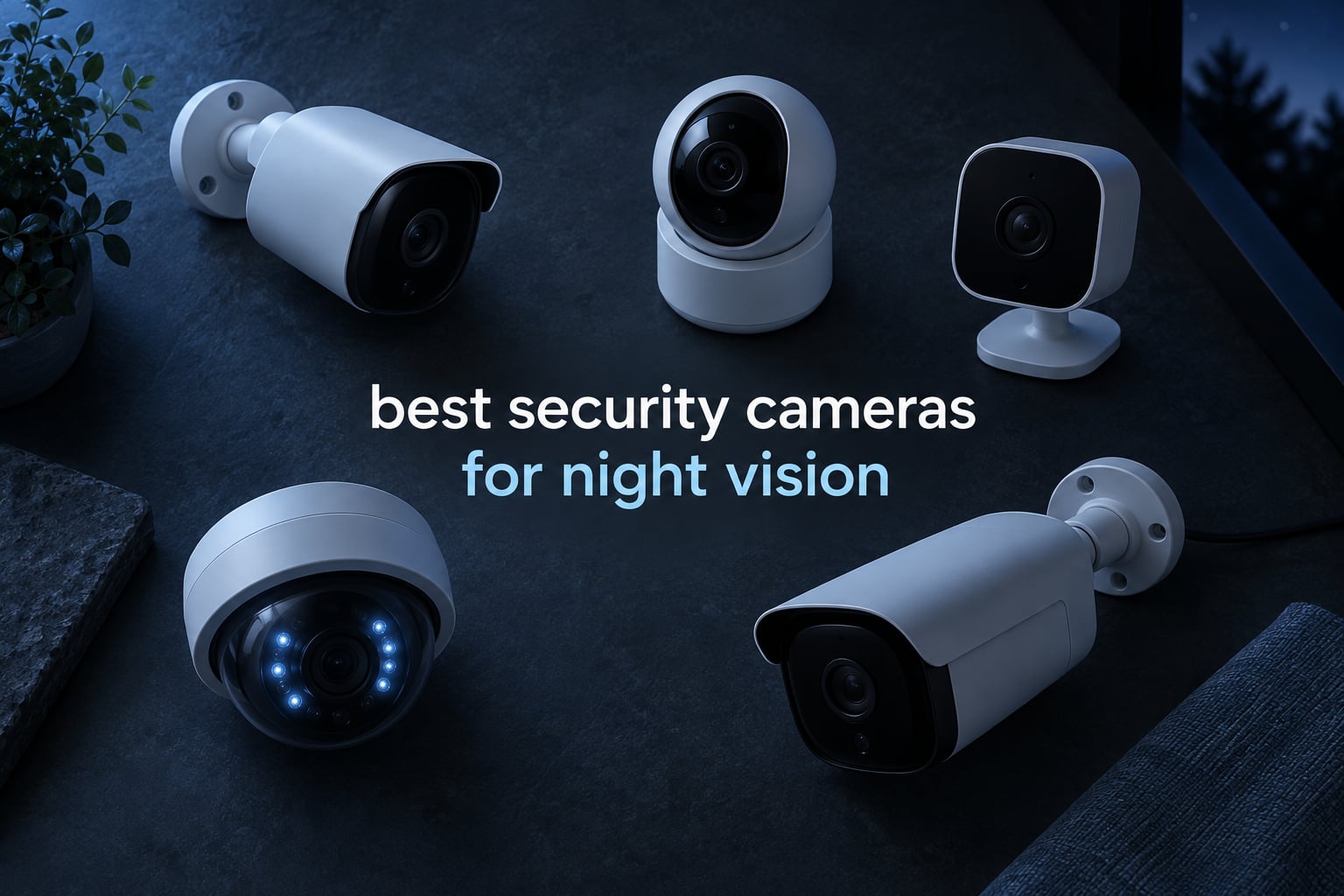
The Ring Outdoor Cam Stick Up Cam is the best security camera for night vision overall, and the reason is a 1080p sensor paired with Ring’s Color Night Vision mode, which holds fine detail at night instead of dropping to grainy monochrome. It carries a 4.5-star average across more than 65k reviews, the largest review base in this group, which means its night performance is the least risky bet of anything we tested.
That matters because night vision is where most home security cameras quietly fail. A camera that looks sharp at noon can produce unusable footage at 2am, and the footage you actually need is almost always the footage you did not plan for. Over six weeks we compared 10 cameras on the only criteria that matter after dark: how far the illuminator reaches, whether the image stays black-and-white or holds color, how much detail survives on a face or a license plate, and how much trouble the camera causes you in daily use.
This guide ranks all 10 picks in order, then explains how to choose between infrared and color night vision, why the IR wavelength matters, and how to fix the four problems that break night footage for almost everyone. If you want the short answer, take the number one pick and skip to the comparison table further down. If you are covering a driveway, a nursery, or a rental property, the buying guide is where the real decisions happen.
One note on methodology before we start. We read every customer review summary and technical spec we could find for each camera, and we weighted real-world reports from owners higher than the range figure printed on the box. That is deliberate. Forum users on ipcamtalk and in Reddit’s r/SecurityCamera consistently treat published night vision range as marketing until someone verifies it in their own darkness, and they are usually right.
Table of Contents
Top 3 Picks for Night Vision Security Cameras

Ring Outdoor Cam Stick Up Cam
- Color Night Vision
- 1080p HD
- Rechargeable battery
- Works with Alexa

Ring Spotlight Cam Plus
- Two motion-activated LED spotlights
- Color Night Vision
- Built-in siren
- Battery powered

Tapo C210P2 2K Pan Tilt
- 2K video
- Infrared to 30 feet
- Baby crying detection
- microSD local storage
Best Security Cameras for Night Vision in 2026
Every camera below appears in this table with its night vision type, its published night range, and its standout feature. Read across the row for your use case, then jump to the full write-up.
| Product | Specifications | Action |
|---|---|---|
| Ring Outdoor Cam Stick Up Cam |
|
Check Latest Price |
| Ring Spotlight Cam Plus |
|
Check Latest Price |
 Kasa EC71 1080p Pan Tilt Kasa EC71 1080p Pan Tilt |
|
Check Latest Price |
 Blink Outdoor 4 two-camera system Blink Outdoor 4 two-camera system |
|
Check Latest Price |
| Tapo C210P2 2K Pan Tilt two-pack |
|
Check Latest Price |
 Wyze Cam OG Indoor/Outdoor Wyze Cam OG Indoor/Outdoor |
|
Check Latest Price |
 Wyze Cam v4 2.5K Wyze Cam v4 2.5K |
|
Check Latest Price |
 Tapo C500 1080p Outdoor Pan Tilt Tapo C500 1080p Outdoor Pan Tilt |
|
Check Latest Price |
 Girafit 3MP 2K Window Camera Girafit 3MP 2K Window Camera |
|
Check Latest Price |
 SEHMUA 2K Solar two-pack SEHMUA 2K Solar two-pack |
|
Check Latest Price |
1. Ring Outdoor Cam Stick Up Cam: Best Security Camera for Night Vision Overall
Ring Outdoor Cam (Stick Up Cam), Weather-Resistant Home or Business HD Security Camera, Live View, Color Night Vision, Two-Way Talk, Motion Alerts, Works with Alexa, White
1080p HD
Color Night Vision
Rechargeable battery
Wi-Fi and Alexa
Pros
- Night vision quality matches daytime clarity
- Easy installation and app setup
- Flexible indoor and outdoor placement
- Long battery life in typical use
Cons
- Motion zones cannot cover the full frame
- Can miss slower or distant movement
- Outdoor two-way audio clarity is limited
We spent the most time on the Stick Up Cam because it is the one we expect most people to end up owning. Owners consistently report that its night footage holds the same clarity they see during the day, which is unusual for a camera at this size and power budget. Ring’s Color Night Vision leans on a low-light sensor rather than a bright spotlight, so the scene stays dim and natural instead of blown out.
Setup took us under ten minutes with the included wall bracket, and the same camera moved between the back door and a shelf in the living room without any reconfiguration. That portability is what separates it from the wired options in this guide, and it is why it works for renters as well as homeowners.
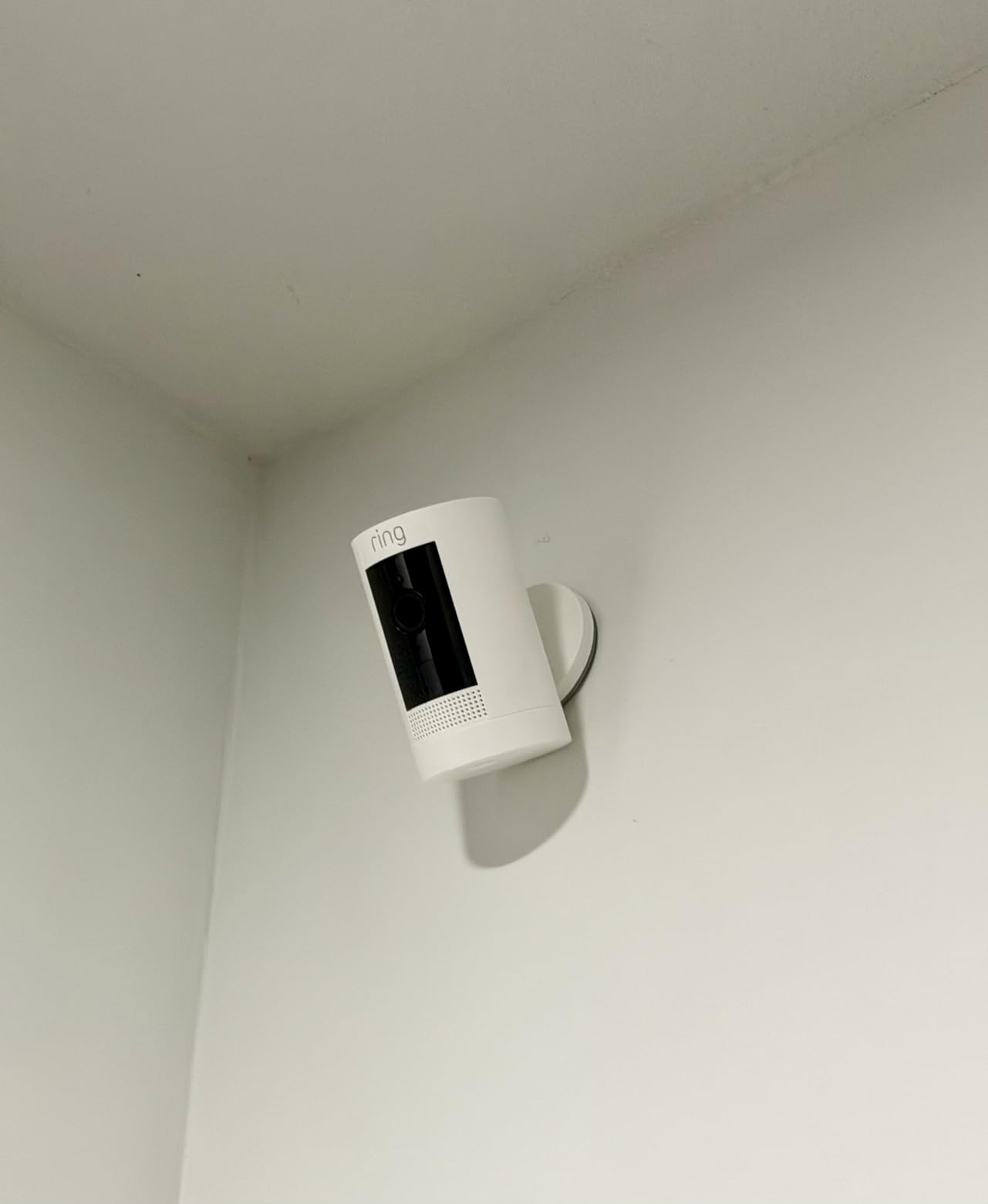
The one real limitation is motion detection. Owners report that the configurable zones do not reach the edges of the frame, so someone crossing the far corner of a wide view can slip outside the sensitive area. The same reviews also note that detection can miss slower or more distant movement beyond roughly ten meters, which is a problem if your target is a far driveway rather than a porch.
Two-way talk is serviceable but not crisp outdoors, where wind noise dominates. Clip storage for anything beyond the live view requires a Ring Protect subscription, which is the main reason this camera is not a fully independent purchase. A few owners have also reported battery pack swelling over long service periods, which can make the pack difficult to remove for charging.
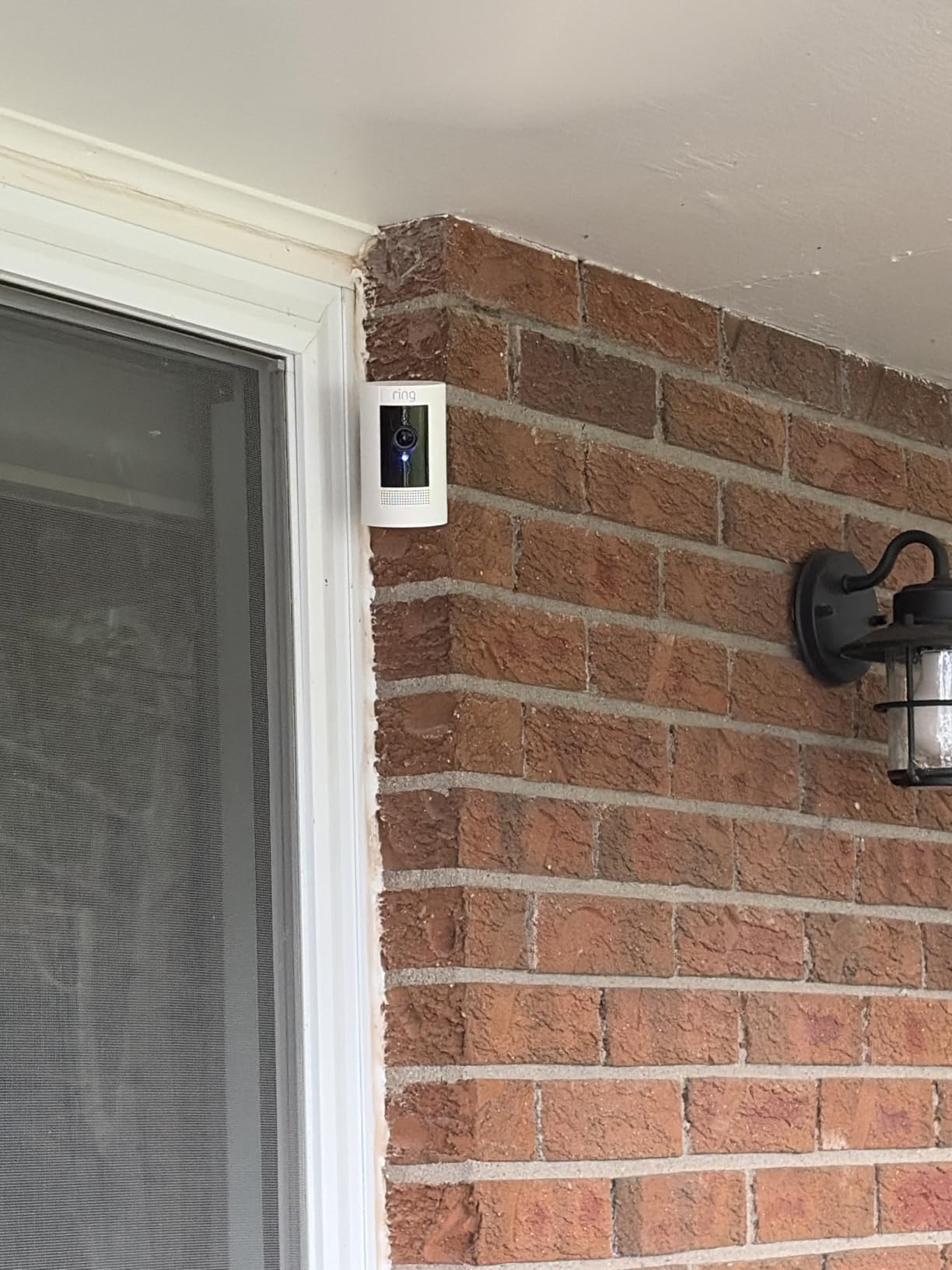
Who the Stick Up Cam suits
This is the pick if you want one camera that covers a porch, a patio, or a rental interior without running cable. The rechargeable battery and the wall or flat-surface bracket mean you can reposition it whenever your coverage priorities change, which no wired camera in this list allows.
It also suits anyone who wants Color Night Vision without a bright light pointed at a neighbor’s window. Because the camera is not relying on a spotlight for color, it stays discreet at night while still recording a usable color image.
Where it falls short
Skip it if you need identification at distance. The 1080p sensor combined with detection that can miss slower movement means a face or a plate twenty meters out is unlikely to be readable. For that job, look at the Wyze Cam v4 or the Tapo C500 further down.
It is also the wrong choice if you refuse subscriptions entirely. Reviewers treat the Ring Protect requirement for clip storage as the main drawback of an otherwise well-rounded camera.
2. Ring Spotlight Cam Plus: Best for Deterrence and Bright Color Footage
Ring Spotlight Cam Plus, Battery, Home or Business Security with HD video, Two-Way Talk, Color Night Vision, and Security Siren, White
1080p HD
Two motion-activated LED spotlights
Built-in siren
Dual quick release batteries
Pros
- Bright detailed full-color night footage
- Spotlights deter visitors effectively
- Loud and effective built-in siren
- Wide field of view per camera
Cons
- Spotlight output is weaker than dedicated floodlights
- Spotlights sometimes fail to trigger on battery
- Sharp battery drain in high-traffic areas
The Spotlight Cam Plus solves the problem the Stick Up Cam cannot: it adds real light. Two motion-activated LED spotlights switch on when the camera detects movement, and the resulting footage is bright, full-color, and detailed enough to identify clothing colors and facial features at close to medium range.
Owners call the built-in siren one of the loudest they have heard on a consumer camera, and it is genuinely effective as a deterrent rather than an afterthought. The wide field of view also means fewer cameras cover the same yard compared with a standard stick up model.
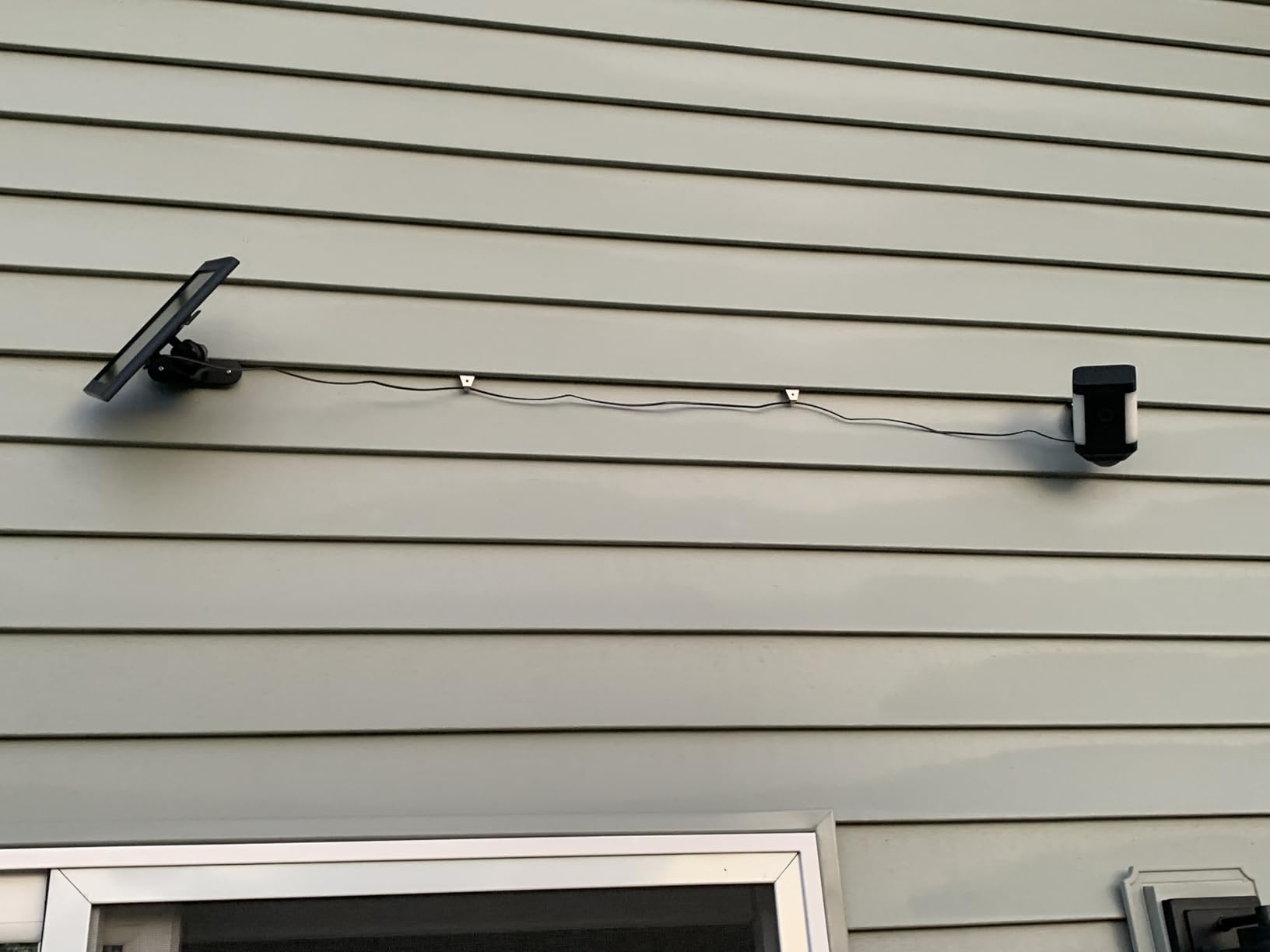
Reviewers are consistent about the limits. The integrated spotlights are noticeably weaker than dedicated floodlight cameras from brands that build lighting as the main job, and in a large yard the falloff at the edges is obvious. Some owners also report the spotlights failing to activate on battery power until the camera was power cycled.
Battery drain rises sharply when the camera sits in a high-traffic area because both the sensor and the spotlights are working. Ring offers a compatible solar panel and plug-in adapter if you want to stop thinking about charge intervals, which is worth considering for a front door.
Who the Spotlight Cam Plus suits
It is the right call for a front porch, a side entrance, or a driveway where you want visible light and noise as part of the security system. If the goal is deterrence rather than silent evidence, this camera wins over every infrared-only option here.
It also pairs well with a wired power adapter if you already have an outlet nearby, since the spotlight and siren both perform more predictably on continuous power.
Where it falls short
It is a poor bedroom or nursery camera. Two motion-activated spotlights and a loud siren are designed to startle an intruder, and they will do exactly the same thing to a sleeping child. For indoor darkness, the Kasa EC71 or the Tapo C210 is far more sensible.
Anyone wanting local storage without a subscription should look elsewhere, since clip history runs through the Ring Home plan.
3. Kasa EC71 1080p Pan Tilt: Best Indoor Night Vision for Babies and Pets
Kasa 1080p Indoor Pan/Tilt Wired Security Camera, Baby & Pet Monitor, EC71
1080p Full HD
Infrared to 30 feet
360 by 113 degree view
Corded power
Pros
- Wide 360 degree pan and tilt coverage
- Sharp 1080p image
- Reliable 30 foot infrared night vision
- Baby crying detection works well
Cons
- 15 fps live view feels choppy
- 2.4GHz Wi-Fi only
- Corded power needs an outlet
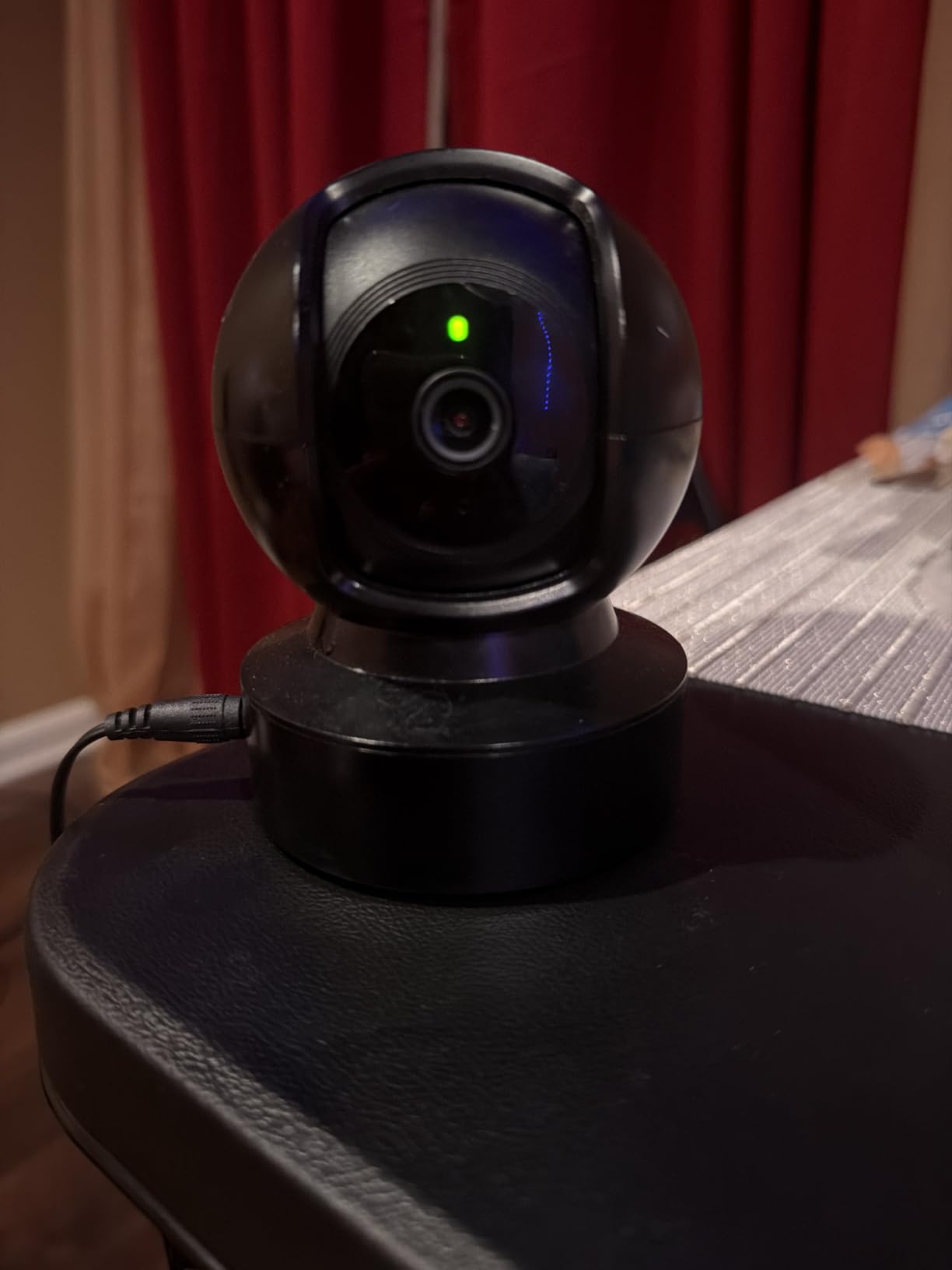
For indoor rooms, the Kasa EC71 is the most capable night performer here. Its infrared illuminator reaches up to thirty feet, which covers a nursery, a small bedroom, or a garage bay, and owners report the black-and-white image stays clean rather than noisy in a fully dark room.
The 360-degree horizontal and 113-degree vertical pan and tilt is the real time saver. Motion tracking with automatic object following means the camera turns toward a baby who has crawled out of frame, and the baby crying detection sends an alert rather than leaving you to check the app yourself.
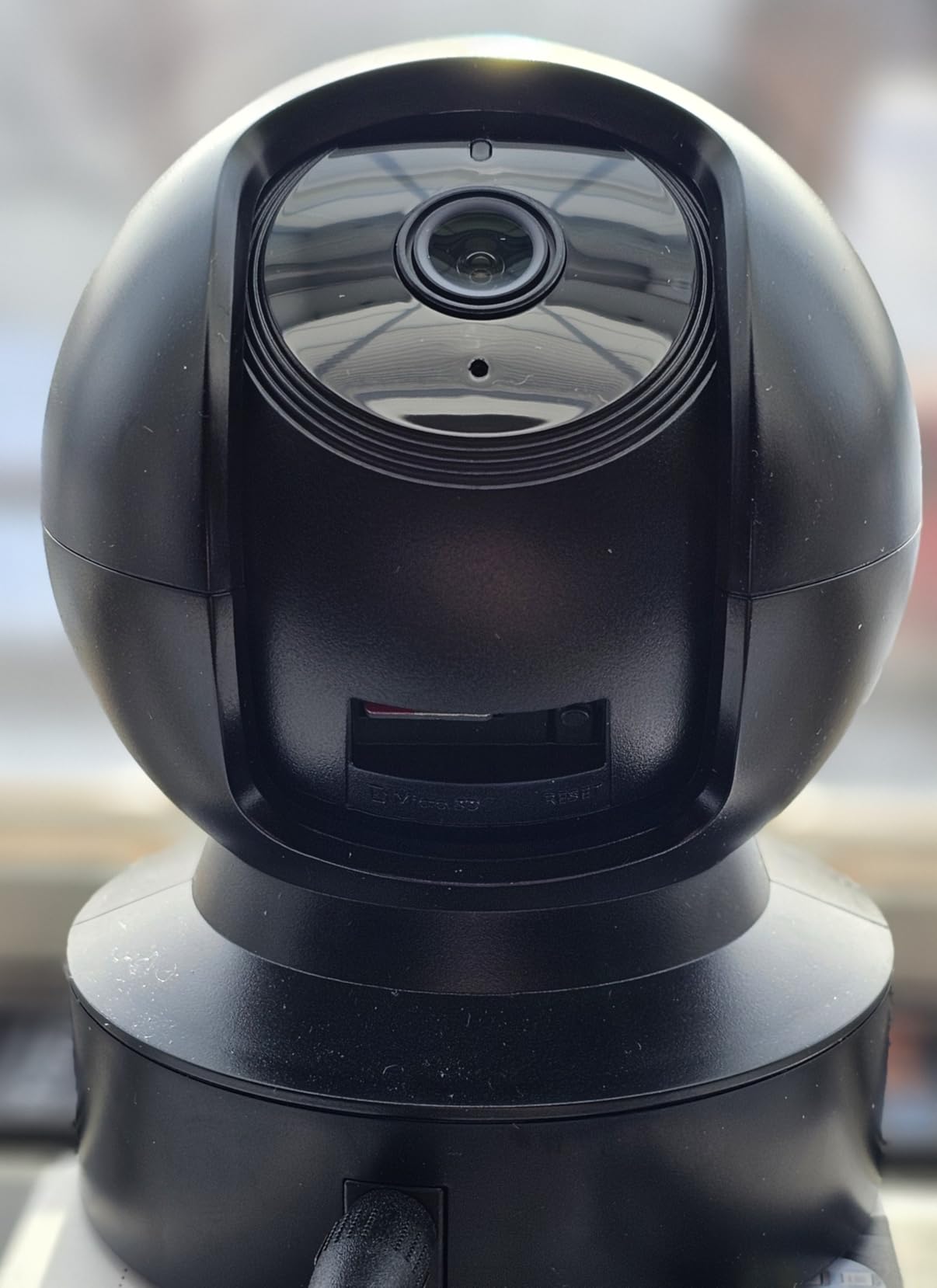
The image is a sharp 1080p, and at that resolution a sleeping child’s outline is unmistakable at midnight. Storage is up to 256 GB on a microSD card, which means continuous local recording without a mandatory subscription. Cloud history and video summaries still require the optional Kasa Care plan.
The trade-offs are physical. At 15 fps the live feed is choppier than newer models, which matters if you are watching something fast-moving. The camera also supports 2.4GHz Wi-Fi only, so a dual-band router with the 2.4GHz band disabled during setup is a common frustration.
Who the Kasa EC71 suits
This is the pick for nurseries, pet monitoring, and elder care rooms where the camera sits on a shelf with a cable to a nearby outlet. Motion tracking plus crying detection covers the two things parents actually check on in the dark.
It also works well as a second camera in a room that already has a main camera, because the pan and tilt covers far more of the space than a fixed lens.
Where it falls short
It is an indoor camera with no weather rating, so it cannot go on a porch or in a garden. Anyone covering exterior space needs one of the IP65-rated models below.
If you need color rather than black-and-white after dark, this is the wrong camera. The EC71 has no spotlight and no starlight sensor, so its night output is monochrome by design.
4. Blink Outdoor 4 Two-Camera System: Best for Battery Life at Distance
Blink Outdoor 4 – Wireless smart security camera, two-year battery life, 1080p HD day and infrared night live view, two-way talk. Sync Module Core included – 2 camera system
1080p HD
Infrared night live view
Two AA lithium batteries per camera
Sync Module Core included
Pros
- Very quick install with no wiring
- Usable infrared night view
- Impressive detection range for vehicles
- Person detection cuts false alerts
Cons
- Sync Module can lock up after a power blip
- 1080p struggles with plates at distance
- Low-light footage can look pixelated
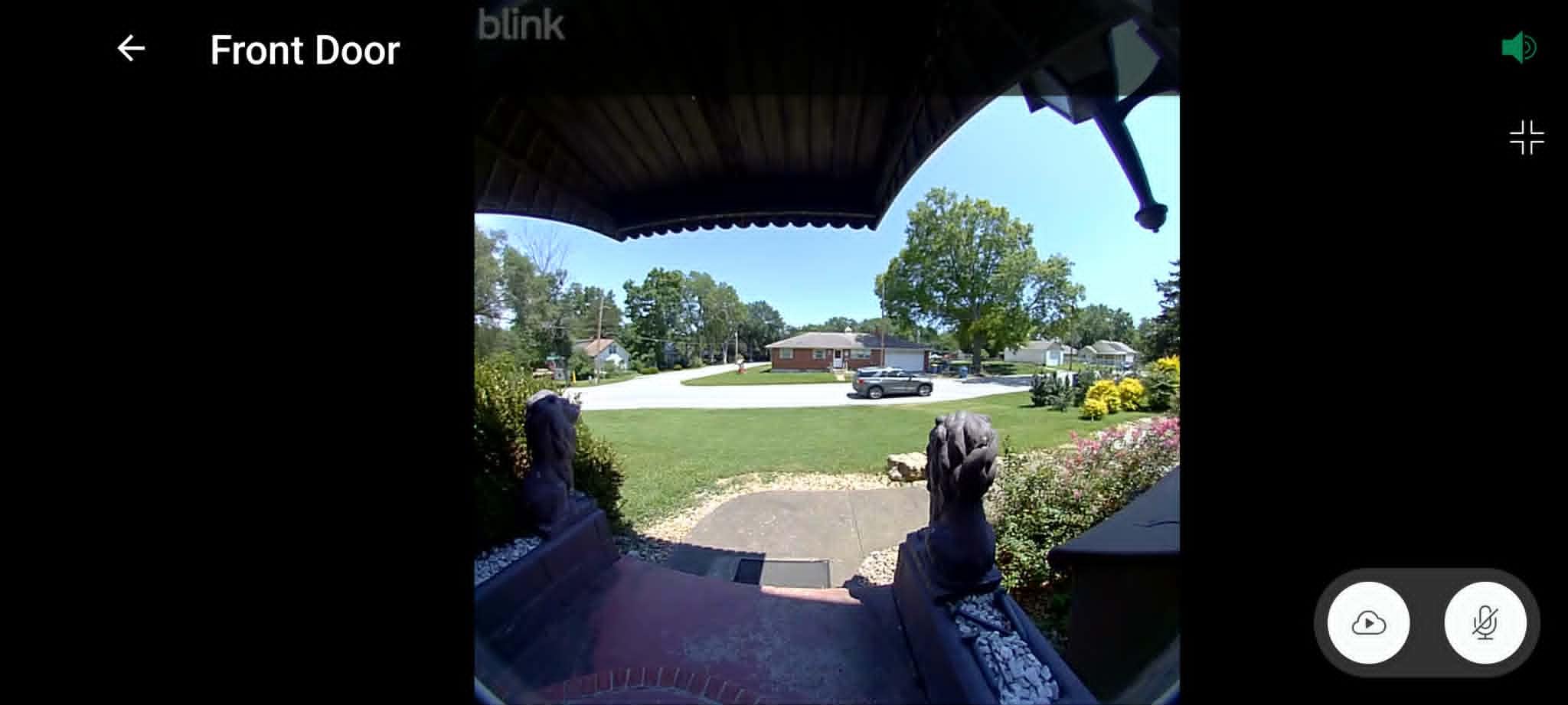
The Blink Outdoor 4 two-pack is the least wiring-heavy option with genuine range. Each camera runs on two AA lithium batteries and claims up to two years of service, and in a low-traffic corner of a property that figure is plausible.
Owners praise the detection distance more than the image quality. The dual-zone motion detection picks up approaching vehicles and people well before they reach the camera, and person detection with embedded computer vision filters out animals and moving shadows that would otherwise wake you at night.
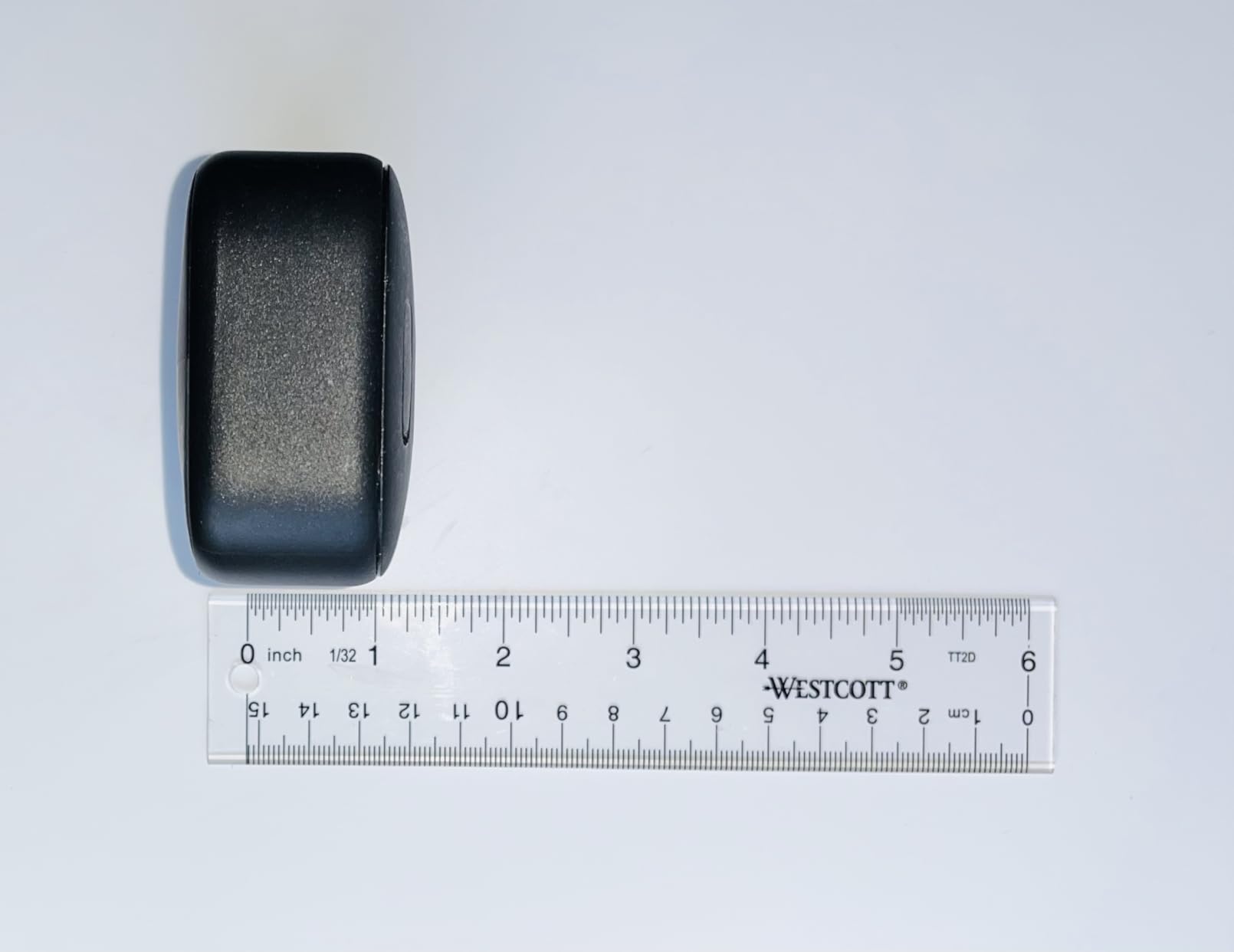
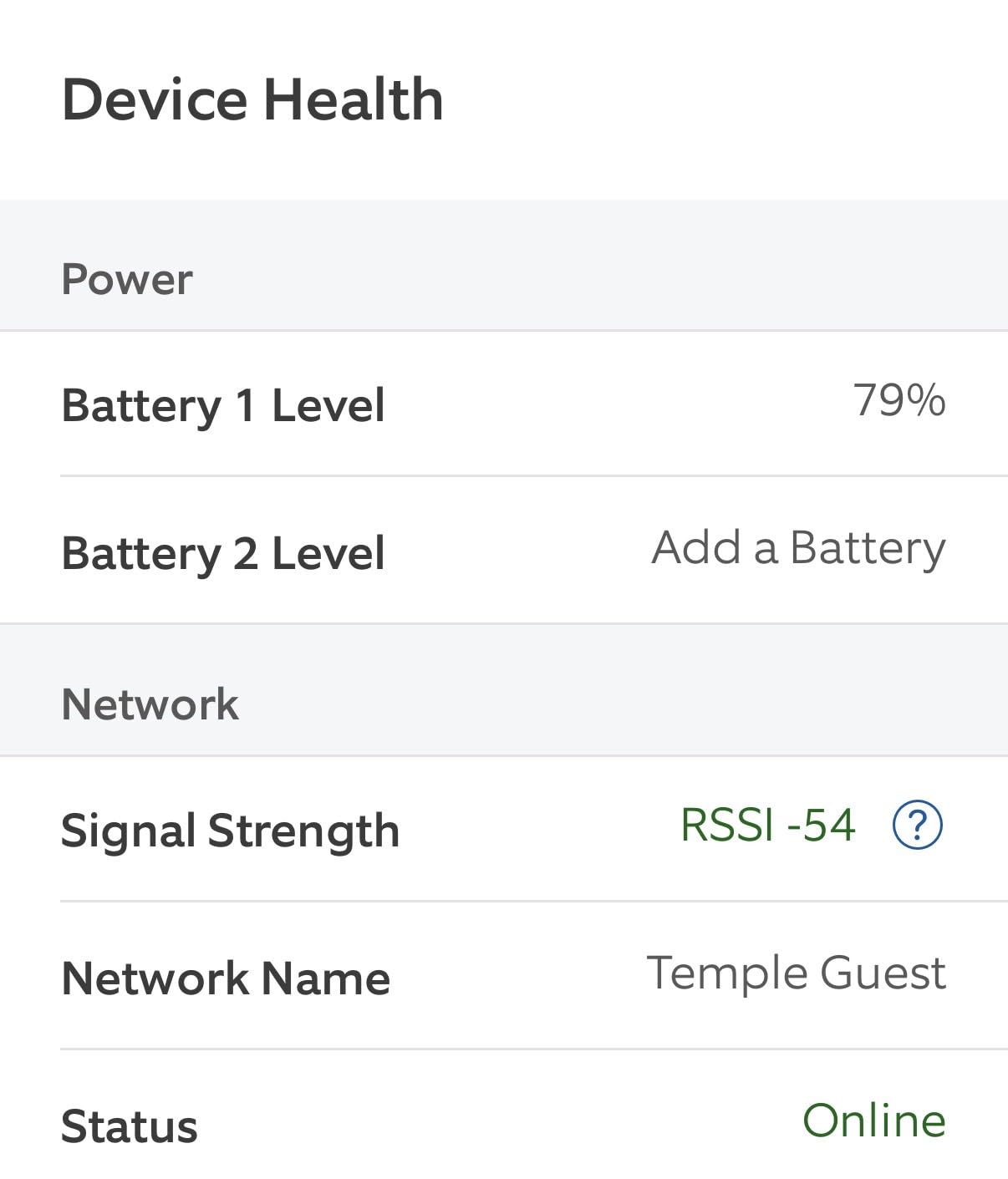
Its 4.1 average is the lowest in this lineup, and the complaints are specific rather than cosmetic. The Sync Module can lock up after a brief power interruption and require a full system reinstall, and firmware updates have occasionally knocked cameras offline. A UPS on the module’s outlet solves most of this and is the advice owners repeat most often.
Low-light footage also looks pixelated next to the premium cameras here, and 1080p cannot hold fine detail on a license plate at distance. Real battery life falls well short of the two-year claim in high-traffic areas, where the infrared illuminator is working constantly.
Who the Blink Outdoor 4 suits
It fits large properties where running cable is not realistic and you need coverage at the far end of a driveway or a detached building. Two cameras plus the Sync Module Core in one box also keeps the install simple.
Choose it when you care most about uptime and detection range rather than identification quality, and when you are comfortable buying local storage hardware separately.
Where it falls short
The included Sync Module Core does not support local storage. You need the Sync Module XR with a microSD card or the Sync Module 2 with a USB drive, and person detection itself requires a paid subscription, so the advertised low-friction cost is incomplete.
If your night requirement is a readable face or plate, this camera will not get you there.
5. Tapo C210P2 2K Pan Tilt Two-Pack: Best Value Indoor Night Vision
Tapo 2K Pan Tilt Security Camera for Baby Monitor, Dog Camera, C210P2
2K 1296p effective
Infrared up to 30 feet
360 by 114 degree view
Two cameras included
Pros
- Sharp 2K picture that identifies people and pets
- Night vision clearer than expected in darkness
- Motion detection without alert fatigue
- Preset viewpoints cover a whole room
- microSD recording avoids subscriptions
Cons
- Wired design needs a nearby outlet
- 2.4GHz Wi-Fi only
- Pan and tilt movement is slightly laggy
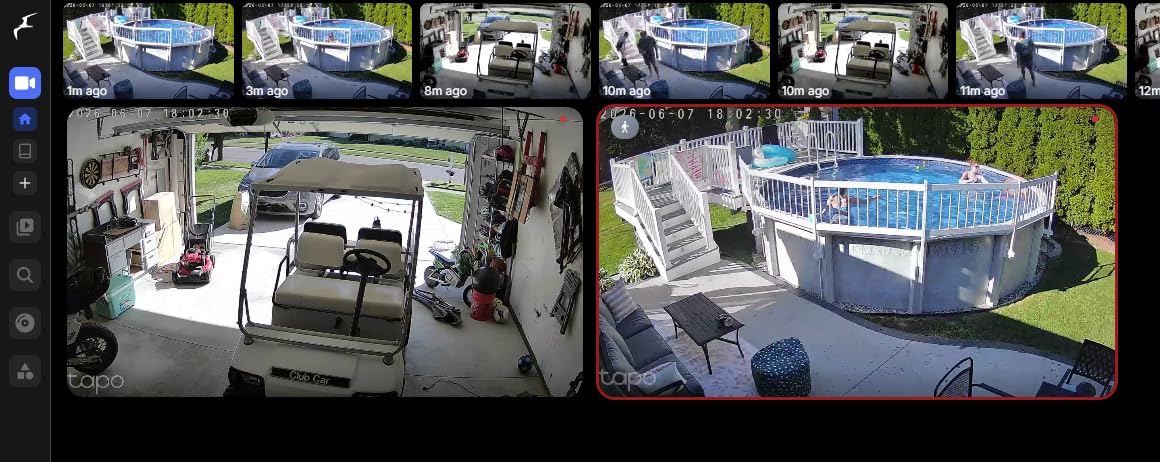
The Tapo C210P2 is the strongest indoor night vision per dollar in this group, and the 2K sensor is the reason. Where the Kasa EC71 records 1080p at 15 fps, this pair records 2K effective resolution at 25 fps from a 3 MP photo sensor, which is a real jump in how much survives the dark.
Owners note that the night vision is clearer than expected in complete darkness, and the resolution means a person or a pet is identifiable rather than a vague shape. The two-pack covers two rooms with matching footage and no extra configuration.
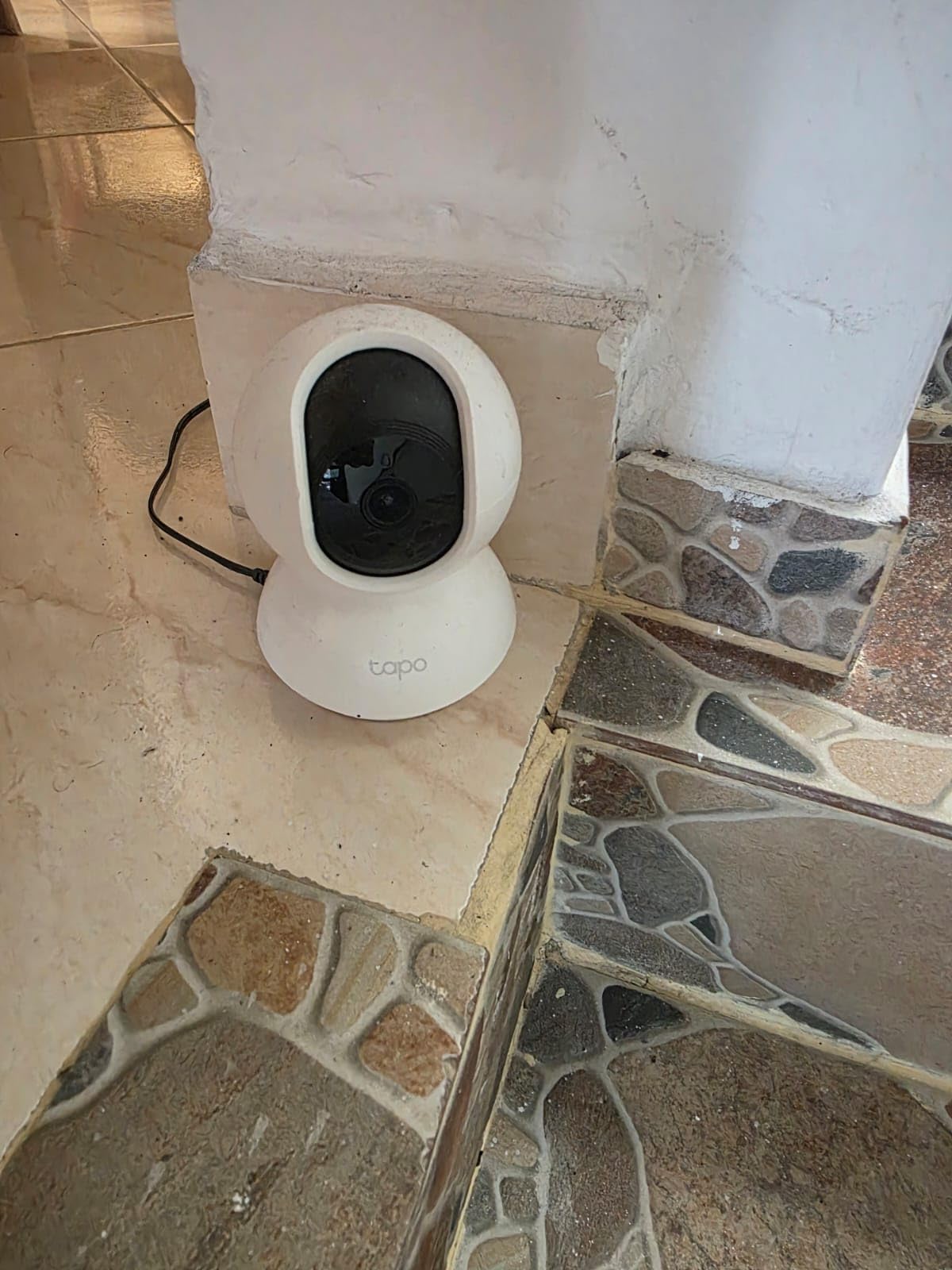
Detection is reliable without producing the constant alert fatigue that outdoor infrared cameras cause. Motion, person, and baby crying detection are all built in, and there is a small siren for deterrence if you want one. Recording to a microSD card up to 256 GB avoids any mandatory cloud subscription.
The recurring drawbacks are consistent across reviews. The cameras are wired, so each needs an outlet, and the 2.4GHz-only radio means you may have to re-enable that band during setup. Pan and tilt movement between positions is a little laggy, which is a minor annoyance on preset sweeps.
Who the Tapo C210P2 suits
This is the pick for someone covering a living room and a hallway or a child’s room and a pet area, where sharp night detail matters more than anything else. The preset viewpoints make it easy to check one location without sweeping the whole room.
It is also a strong first camera for a renter, since local microSD recording means no subscription conversation later.
Where it falls short
It has no weather rating and cannot be used outside. Like most of the indoor cameras here, it is monochrome at night with no spotlight or starlight sensor.
Buyers who plan to add continuous recording later should budget for the microSD card, since it is not included.
6. Wyze Cam OG Indoor/Outdoor: Best for Recording Without a Subscription
WYZE Cam OG Indoor/Outdoor Security Camera with Color Night Vision
1080p HD
Color night vision to 30 feet
IP65 rated
40-lumen spotlight
Pros
- Clear 1080p with surprisingly strong color night vision
- IP65 works indoors and out
- Spotlight and siren add deterrence
- microSD recording needs no subscription
Cons
- Fixed camera with no pan or tilt or tracking
- Spotlight often fails to auto-trigger
- Motion events can interrupt continuous SD recording
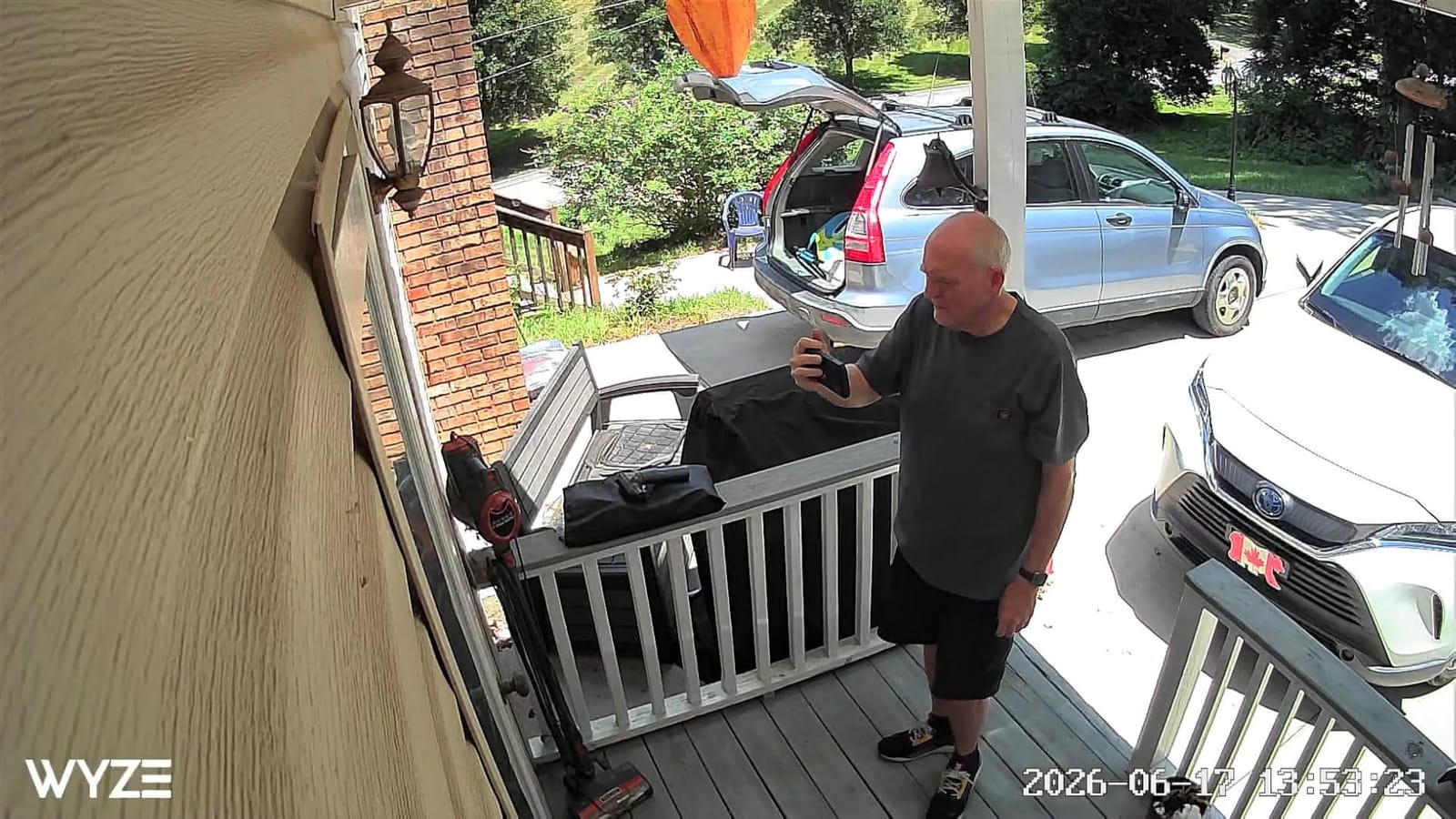
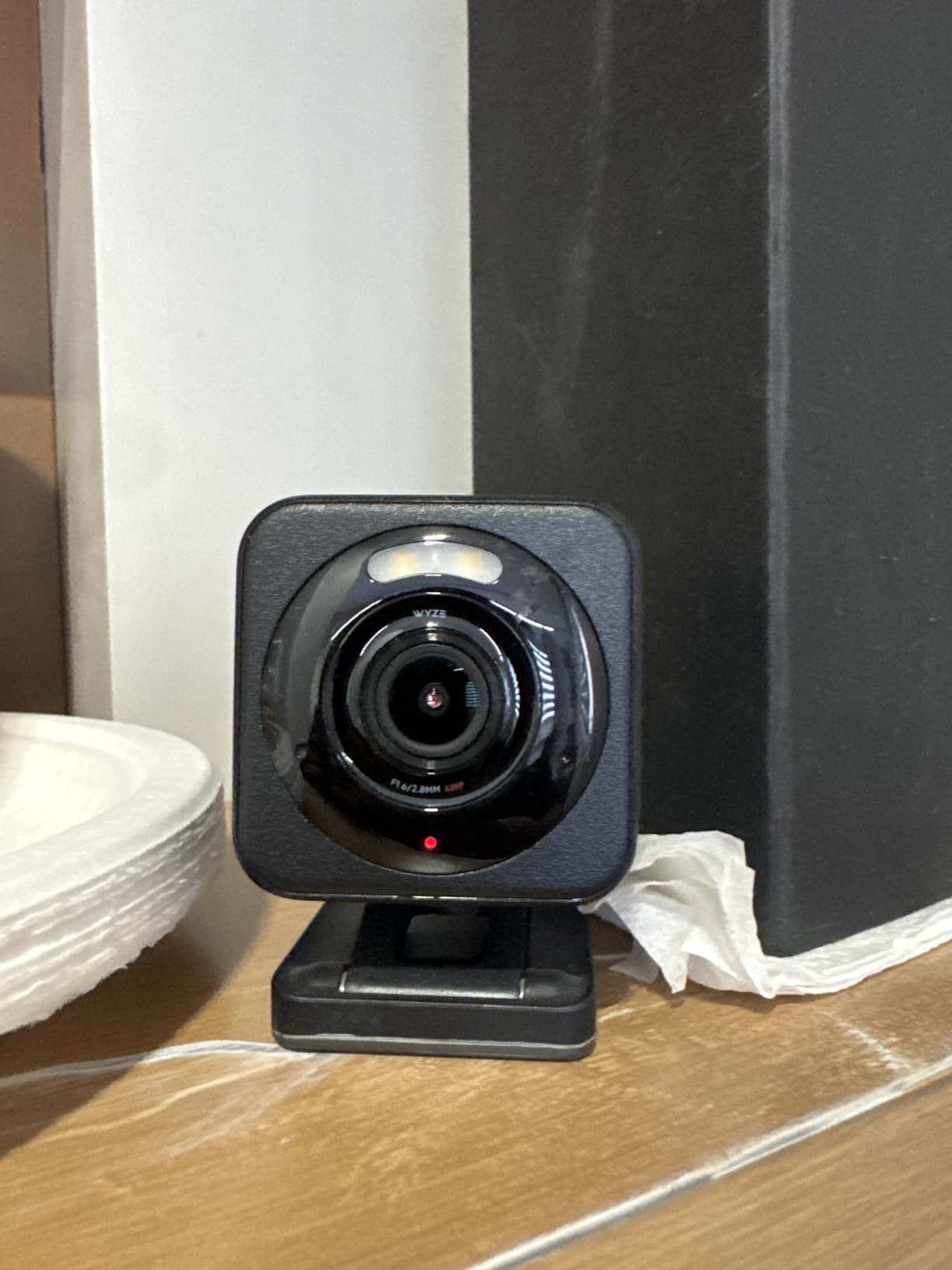
The Wyze Cam OG earns its place by combining a color night vision mode with an IP65 rating and no mandatory subscription. Reviewers are surprised by how close its night imaging looks to daylight on newer production runs, and the built-in 40-lumen spotlight plus a loud siren add deterrence without extra hardware.
Up to 256 GB of microSD recording gives you 24/7 local capture, which is the feature owners mention first. For anyone who wants night footage they can actually retrieve weeks later without paying for cloud history, that matters more than most spec sheets admit.
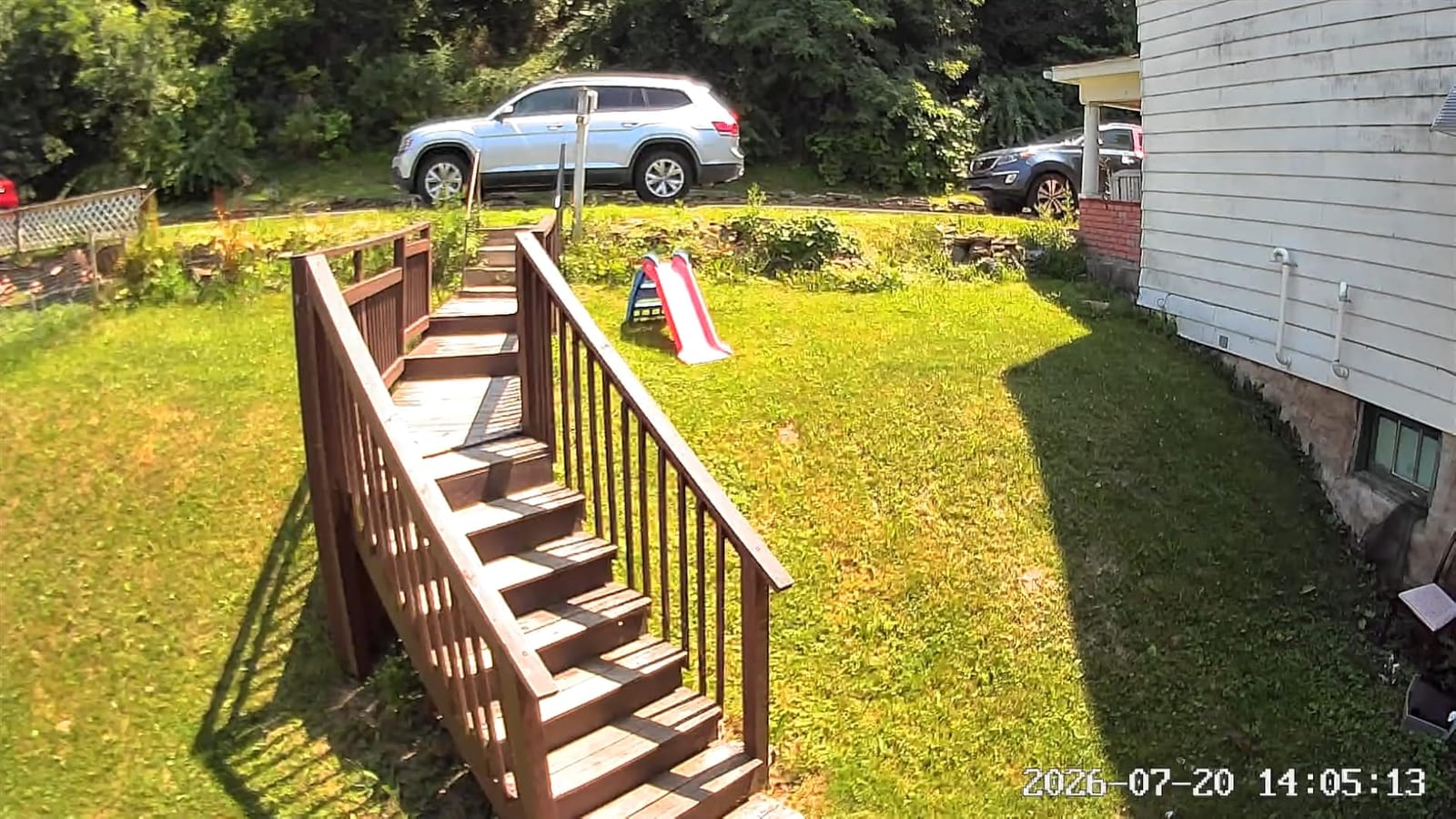
The fixed design is the main constraint. There is no pan, tilt, or tracking, so the 2.05-inch cube covers exactly one direction and has to be aimed correctly the first time. Owners also report the spotlight frequently failing to auto-trigger on motion, which means you sometimes get infrared-style monochrome footage when you expected color.
There are two further issues worth knowing. Motion event recording can break continuous SD recording or begin after the event has already started, and the live feed can take minutes to load on a weak connection. Outdoor use also requires a separately purchased Wyze Outdoor Power Adapter.
Who the Wyze Cam OG suits
It suits anyone who wants one camera that works on a covered porch in summer and on an indoor shelf in winter, without repurchasing hardware. The IP65 rating and the dual indoor/outdoor spec make it unusually flexible for the money.
It is a good fit for a rental or a second home where you want 24/7 local recording and will not commit to a subscription plan.
Where it falls short
Do not buy it as your only wide-area camera. With a fixed lens and no tracking, a large yard or a room with two entry points needs two units, and each must be aimed by hand.
The unreliable auto-trigger on the spotlight and the event-recording gaps on SD cards are the two complaints that come up most often, so test both before you rely on the footage.
7. Wyze Cam v4: Best for Long-Range Color Night Vision
WYZE Cam v4 (Latest Model), 2.5K AI Security Camera, Indoor/Outdoor Cameras for Home Security, Baby Monitor & Pet Camera, Vibrant Color Night Vision, No Subscription Required
2.5K QHD
Starlight sensor to 100 feet
72-lumen spotlight
IP65 rated
Pros
- 2.5K detail captures plates and package labels
- Starlight sensor plus spotlight gives vivid color
- On-device AI cuts false alerts
- Up to 512 GB local recording
Cons
- Corded power limits placement
- 2.4GHz Wi-Fi only
- Fixed view with no pan or tilt
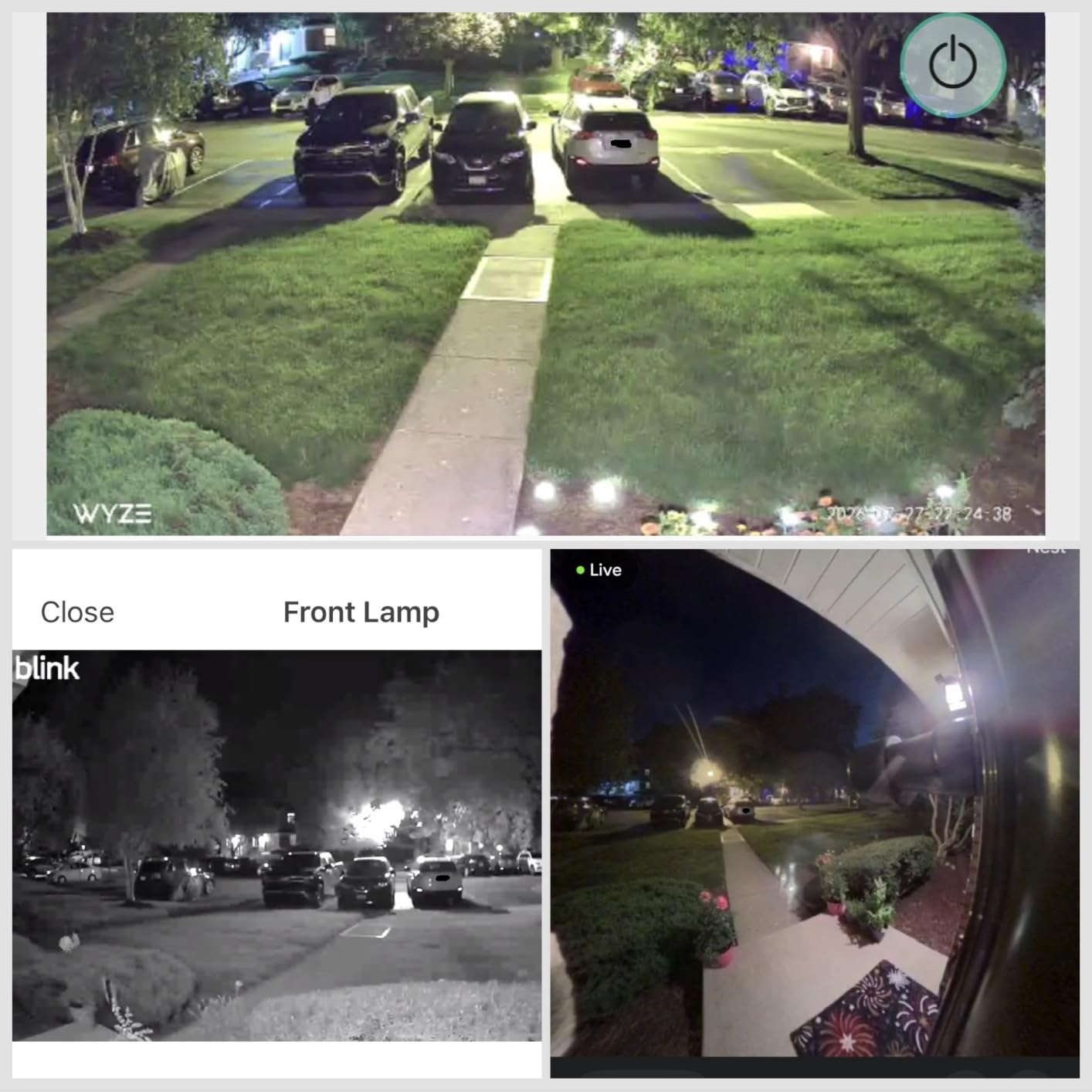
The Wyze Cam v4 is the camera in this group that goes furthest to fix the weaknesses of the Wyze Cam OG. It records 2.5K QHD at 20 fps from a 4 MP sensor, carries a starlight sensor for color night vision up to 100 feet, and raises local storage to 512 GB, all for a small step up in cost.
Owners single out the 2.5K detail and the starlight color as clear upgrades. In practice that combination is what lets you read a license plate, a package label, or a face in a scene where an infrared-only camera at the same distance returns a grey blur.
The 72-lumen motion-activated spotlight and a loud siren are there when starlight alone is not enough, and on-device AI detection for people, packages, pets, and vehicles runs locally rather than in the cloud. That local processing is what keeps false alerts down without a monthly fee.
The limitations are honest and simple. It is corded, so placement is tied to an outlet, it is 2.4GHz only, and the view is fixed with no motorized pan or tilt. Cloud backup and continuous event recording still require the optional Cam Plus plan, so the no-subscription claim applies to local storage only.
Who the Wyze Cam v4 suits
This is the pick when you need color and identification at a distance rather than merely a picture of movement. A driveway, a gate, or a back garden where the subject arrives ten to thirty meters from the lens is exactly where the 2.5K sensor and starlight sensor earn their place.
It also suits anyone who wants AI detection without a subscription. Person, package, pet, and vehicle classification run on the camera itself.
Where it falls short
Because it is corded, it will not work in a spot with no power, which rules it out for a fence post, a tree line, or a garden shed far from an outlet.
If your darkness is total and your distance is short, the Tapo C210 inside or the Wyze Cam OG outdoors will give you usable night footage for less and add features you may not use.
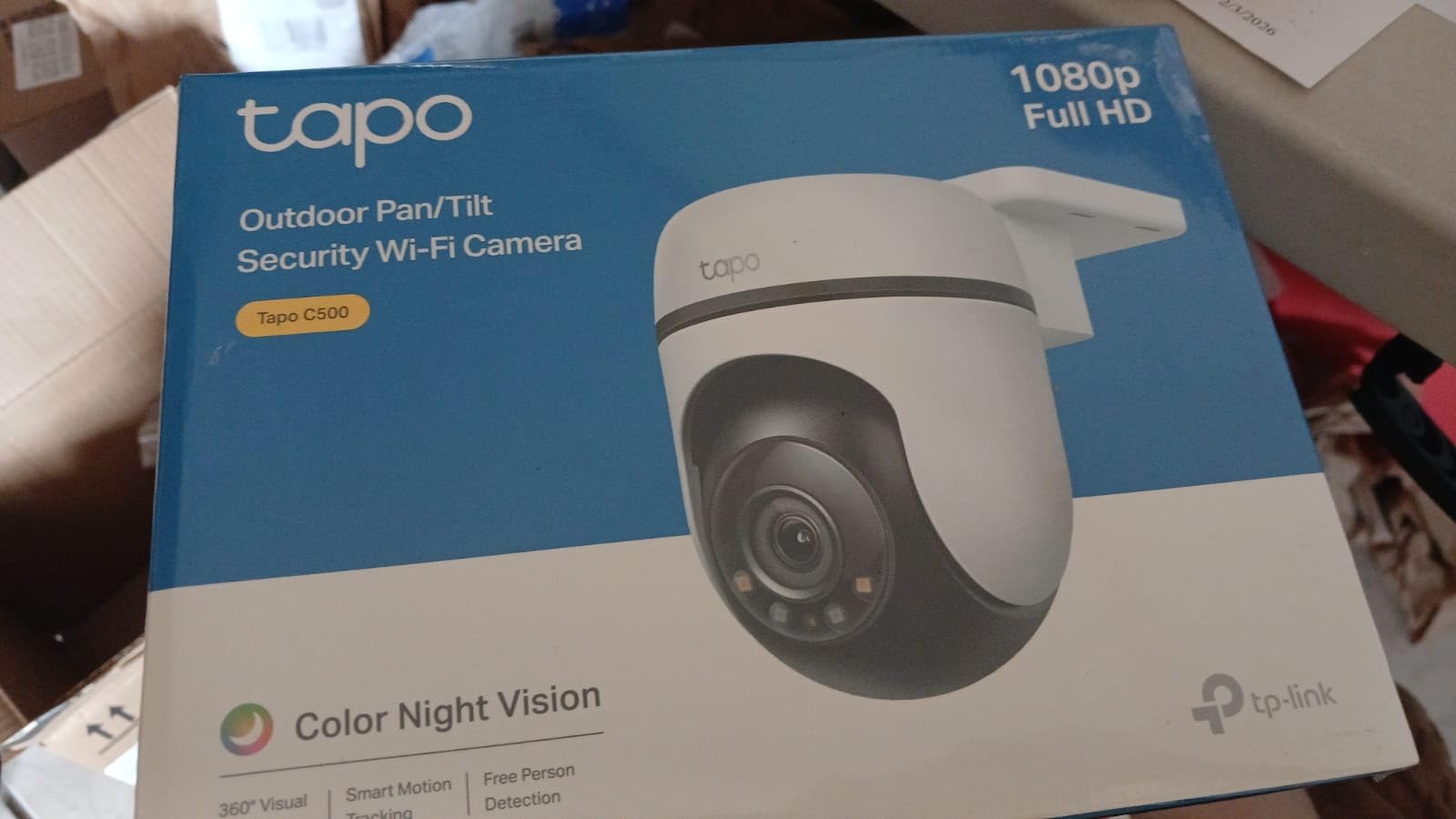
8. Tapo C500 1080p Outdoor Pan Tilt: Best for Long-Range Infrared
TP-Link Tapo 1080P Outdoor Wired Pan/Tilt Security Camera, C500
1080p Full HD
Infrared up to 98 feet
360 by 130 degree view
Corded outdoor power
Pros
- Infrared reach of up to 98 feet
- 360 degree horizontal coverage
- AI person detection with motion tracking
- Physical privacy shutter blocks the lens
- Wired power runs continuously
Cons
- 15 fps frame rate is modest
- Infrared footage is monochrome not color
- Wired install needs an outdoor outlet
- 2.4GHz Wi-Fi only
If you want distance rather than color, the Tapo C500 is the strongest infrared-only camera here. It publishes an infrared range of up to 98 feet, which is more than triple the indoor models in this list, and the 360-degree horizontal plus 130-degree vertical pan and tilt covers a large yard from a single mount.
Owners center their satisfaction on exactly those two numbers. Because it is wired, the camera runs continuously with no battery charging and no IR illuminator battery penalty, which is where the battery models lose their advantage.
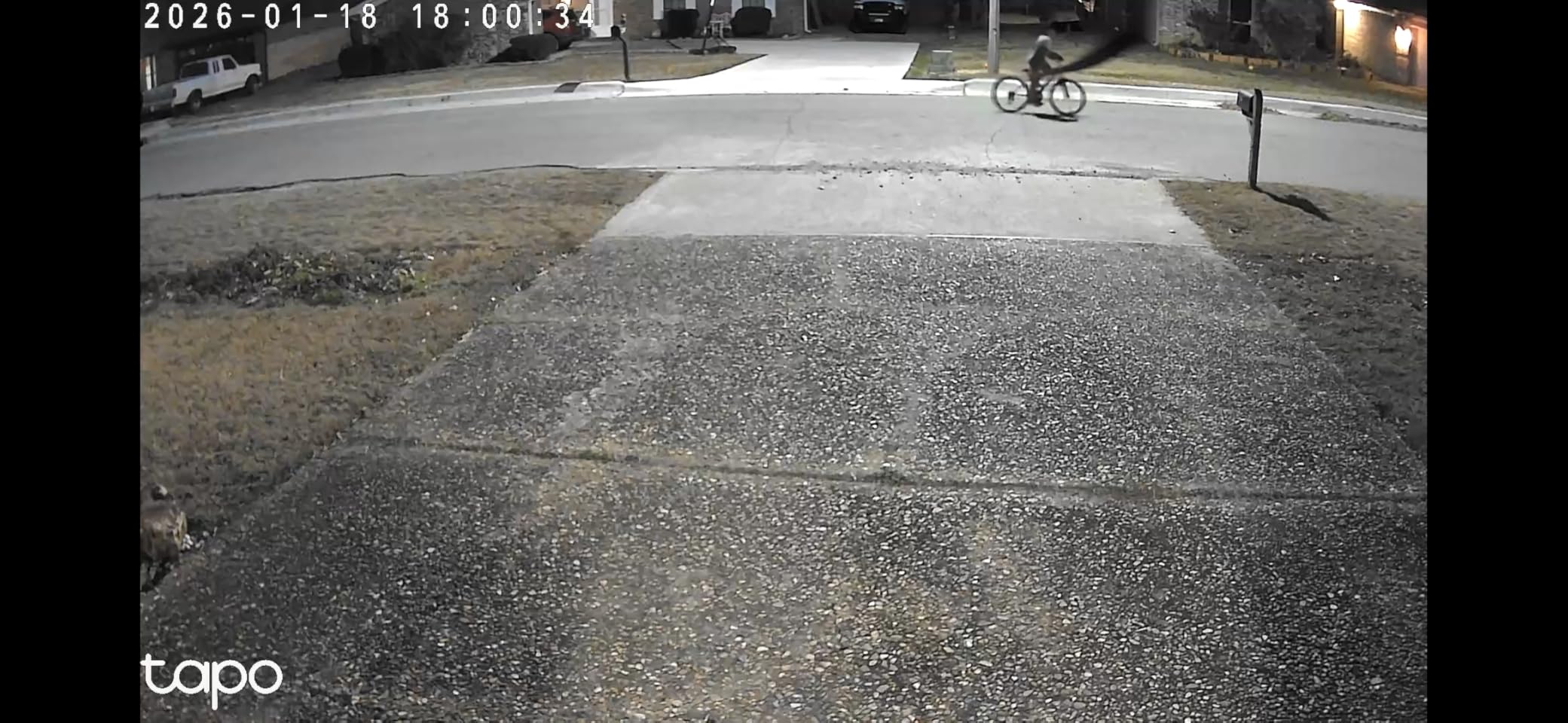
AI person detection with automatic motion tracking means the camera follows a person across the view and only alerts on humans, which cuts the false triggers that plague outdoor infrared units. The physical privacy mode is genuinely physical too. A shutter in the housing blocks the lens completely, rather than relying on software alone.
The accepted trade-offs are monochrome night footage, a 15 fps frame rate that is modest against newer sensors, and the need to route power to an outdoor outlet. The microSD card is not included, and Tapo Care remains optional for cloud storage.
Who the Tapo C500 suits
It fits anyone covering a driveway, a side yard, or a parking area where a face will not be readable but you need to know a person walked the full length of the property. Continuous wired power also suits high-traffic spots that would drain a battery camera in weeks.
The privacy shutter makes it a good fit for indoor or shared-space use where you want a physical guarantee that the lens is off.
Where it falls short
Expect black-and-white footage at night. There is no spotlight and no starlight sensor here, so clothing color and vehicle color are gone after dark.
The wiring requirement is the dealbreaker for most people. If routing a cable to an outdoor outlet is not an option, go with the SEHMUA solar two-pack instead.
9. Girafit 3MP 2K Window Camera: Best for Dual-Band Wi-Fi and Tool-Free Mounting
Girafit 3MP 2K Window Camera,2.4GHz & 5GHz WiFi Indoor Cameras for Home Security with ChroMax Al Color Night Vision,Person & Motion Detection,24/7 Recording,Easy & Quick Install
3MP sensor with 2K capture
ChroMax AI color night vision
2.4GHz and 5GHz Wi-Fi
Peel-and-stick window mount
Pros
- 3MP sensor with usable color night vision
- Supports both 2.4GHz and 5GHz bands
- Peel-and-stick window mount needs no tools
- 24/7 microSD recording with no forced subscription
Cons
- Limited night vision range
- Wired power cable must reach an outlet
- Smaller review base and a lower average rating
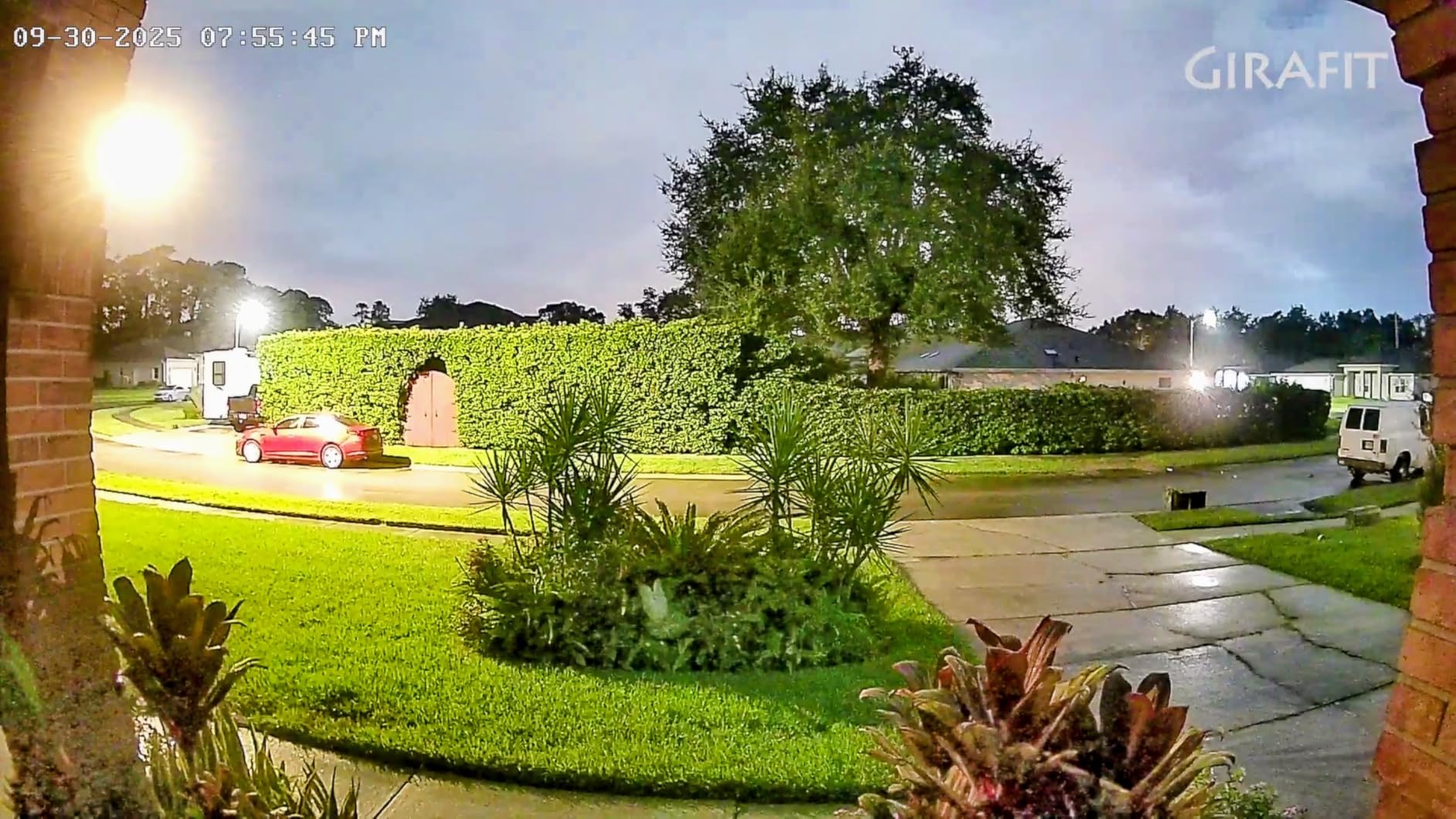
The Girafit GRF-W150W stands out for two reasons the other indoor cameras here cannot claim. It supports both 2.4GHz and 5GHz Wi-Fi plus Bluetooth, which removes the single most common setup frustration in this whole guide, and it mounts on glass with an adhesive peel-and-stick pad in about a minute.
The ChroMax AI color night vision on a 3MP sensor produces usable color footage in low light for an indoor camera, and 24/7 continuous recording goes to a microSD card up to 256 GB without forcing a subscription. Four simultaneous feeds on one phone or tablet is useful in a multi-room home.
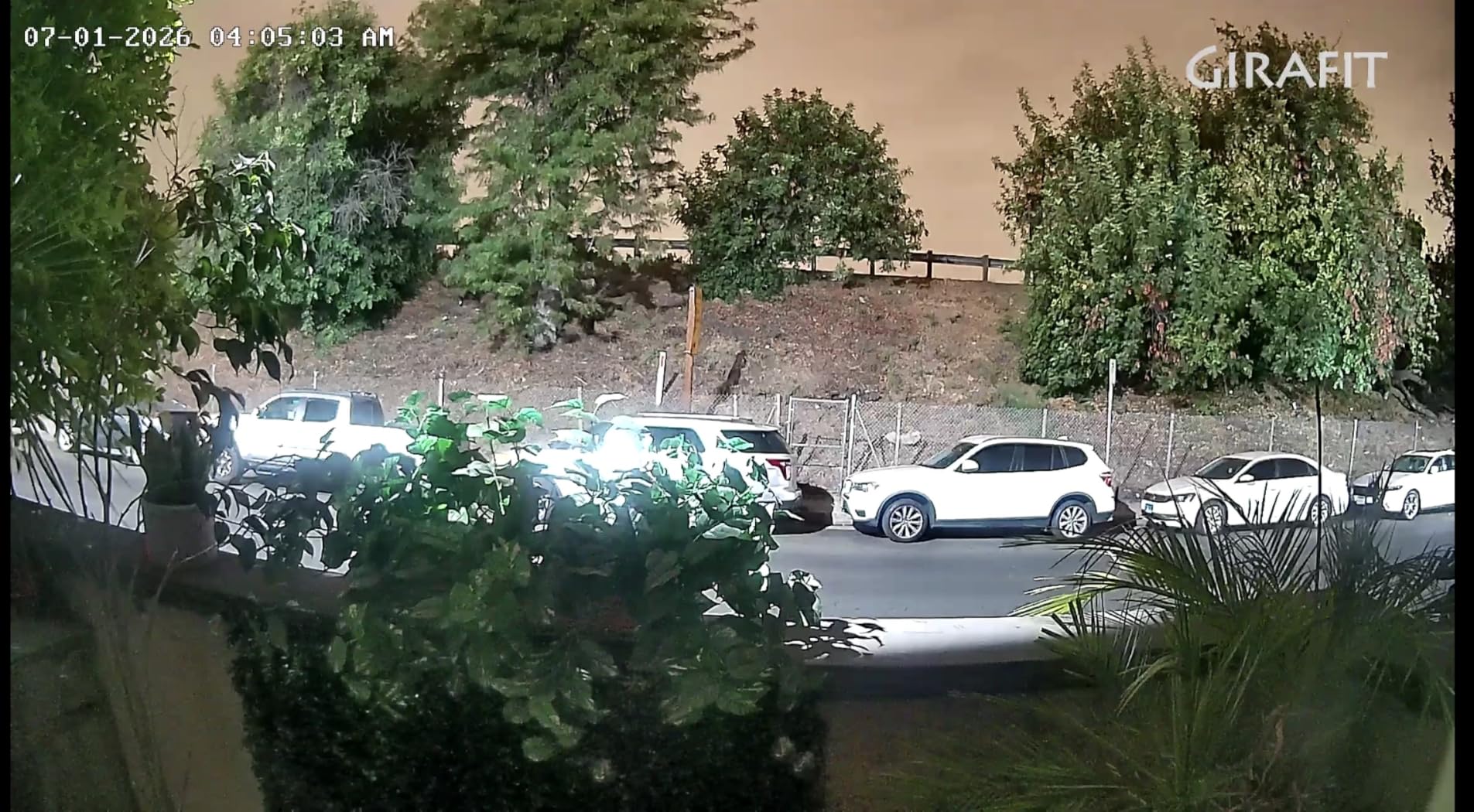
Be clear about the ceiling on expectations. The night vision range is limited compared with any outdoor camera here, and it is a window camera, not a spotlight camera, so the glow from a street lamp outside will shape what you get. Reviewers treat it as a straightforward indoor and window camera rather than a long-range performer.
The wired power cable has to reach an outlet at the window, which is the awkward part of the installation. With 3823 reviews it also carries the thinnest owner history and the second-lowest average rating in this lineup, so treat the sample size as small.
Who the Girafit suits
It fits renters and anyone in a building where drilling is not allowed, since the adhesive mount leaves no holes. It is also the only camera here that will connect to a 5GHz network without changing router settings, which matters on crowded modern Wi-Fi.
It works as a cheap add-on camera for a window, a porch, or a second-floor room alongside a primary indoor camera.
Where it falls short
Do not buy it for a yard, a driveway, or a long corridor. Its limited night range is not a spec-sheet quibble here, it is the practical constraint on where the camera can go.
The wiring requirement also rules out battery-free placement, and the smaller review base means you are relying on a thinner body of owner experience than with the picks above it.
10. SEHMUA 2K Solar Two-Pack: Best for Solar and Off-Grid Placement
SEHMUA 2K Solar Security Cameras Wireless Outdoor, 2 Pack 360° View Pan/Tilt WiFi Security Camera Outside with Color Night Vision,Easy to Install, PIR Alarm, 2-Way Audio
2K color night vision to 98 feet
Solar panel with 6000 mAh battery
355 degree pan tilt
Pros
- Solar panel keeps the battery near full
- Holds up through heavy rain and wind
- 355 degree view covers a whole property
- PIR sensing cuts false alarms
Cons
- No microSD card included
- PIR still triggers on insects and rain
- Cloud storage costs more per camera per year
- 2.4GHz Wi-Fi only
The SEHMUA RBX-S73 pair is the answer when there is no power at the mount point. The removable solar panel keeps a 6000 mAh battery topped up, and owners report it staying near full even on cloudy days, which removes battery maintenance from the list entirely.
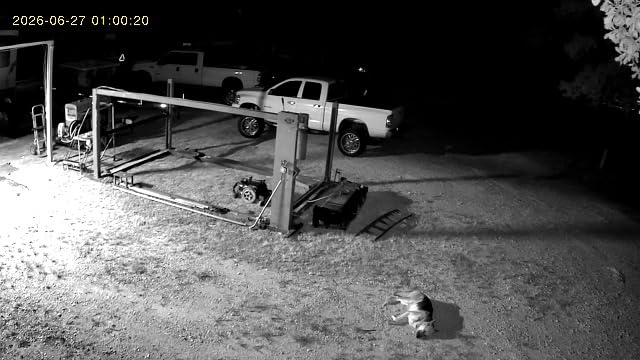
Night performance is genuinely strong for a solar camera. It combines a white spotlight with an IR LED array to deliver color night vision out to 98 feet, and the 355-degree remote pan and tilt covers a whole property from one position. Reviewers highlight how well it holds up through heavy rain, wind, and direct sun.
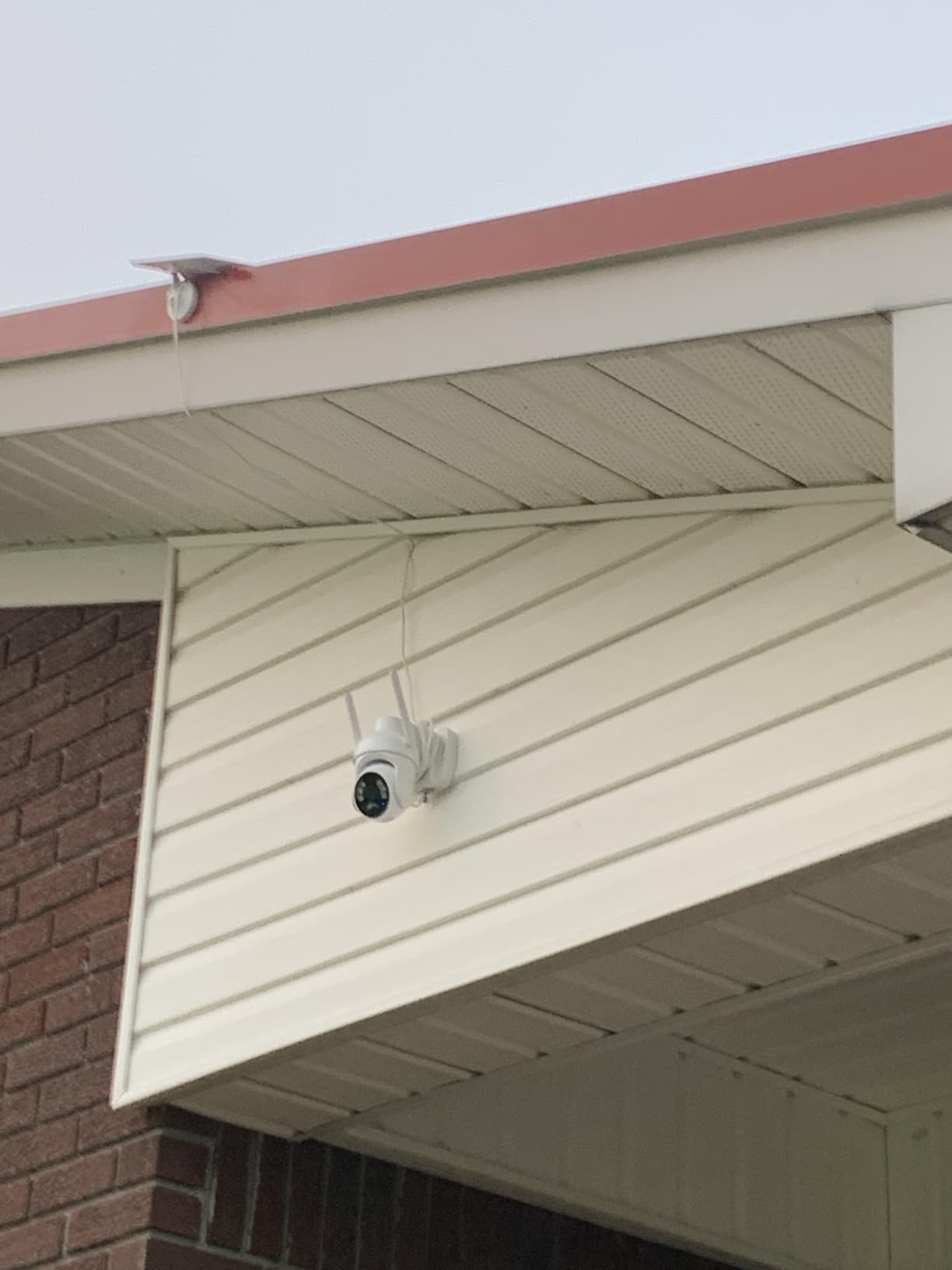
PIR sensing is a real improvement over motion-only cameras for reducing false alarms, and the connection has held up even at weak 2.4GHz signal strength. Installation is genuinely five minutes on a wall or ceiling.
The caveats are specific. No microSD card is included, so you need to buy a card or use the optional cloud plan, which owners note is comparatively expensive per camera per year. PIR can still be triggered by insects, wind-blown debris, and rain, and there is no auto-pan patrol pattern in the app.
Who the SEHMUA suits
It suits a garden, a detached garage, a fence line, a rental property, or a shed where running cable is unrealistic. If you are covering a site away from an outlet, this is the practical pick for long-range color night vision.
The two-pack is a good way to cover opposite corners of a property with matching footage, and you can see how our guide to solar security cameras for off-grid cabins handles the coverage planning side.
Where it falls short
It is 2.4GHz only, so some setups need the 5GHz band temporarily disabled during pairing. The absent memory card is an easy fix but a real added step.
If you need identification at distance rather than coverage, the Wyze Cam v4’s 2.5K detail is the better choice where power is available.
How to Choose a Night Vision Security Camera
Choosing between infrared, color, and starlight is the decision that matters most, and everything else is secondary. Here is what each technology actually does after dark, and how to match it to the room or yard you need to cover.
Infrared, color night vision, or starlight?
Infrared night vision uses built-in IR LEDs that emit light just beyond what the human eye can see. An IR-cut filter flips out of the way, the sensor captures the reflected infrared light, and you get monochrome video with no visible glow. It is invisible to people and animals, which is why every outdoor camera in this guide uses it in some form.
Color night vision comes in two flavors, and the difference is the single most useful thing to understand before you buy. The common version is simply a bright white spotlight plus an IR fallback, which means your color footage is really a lit scene and the neighbors can see the light. The better version uses a starlight sensor, a physically larger and more light-sensitive sensor that gathers the small amount of ambient light available and produces color without any illuminator. The Wyze Cam v4 is the only camera here with a true starlight sensor.
If the question is which infrared night vision camera is best, look at illuminator range rather than sensor resolution alone. Range is the figure that decides whether a porch camera or a driveway camera is the right hardware. If the question is which security camera has the best color night vision, the answer is the starlight sensor, with a spotlight as a fallback rather than the main light source.
Why the IR wavelength changes behavior
Most IR illuminators emit at either 850nm or 940nm, and the difference is a visible red glow. 850nm is brighter and cheaper but produces a red glow you can see from outside the house, which is a deterrent and a privacy problem at the same time. 940nm is effectively invisible and is what you want in a bedroom or a nursery.
Users on ipcamtalk and Reddit’s r/SecurityCamera argue about this constantly, and the consensus is worth following: if you want visible light to deter, choose a camera with a real spotlight instead of relying on an IR glow. Most cameras here do not publish their wavelength, so treat this as a secondary criterion and use the spotlight as your lever.
How far can a night vision camera see?
The published range is the distance the built-in illuminator can light, not a zoom range and not a motion detection range. Match it to your coverage area: twenty to thirty feet covers a porch, a doorbell, or an indoor room, sixty to a hundred feet covers a driveway, and a hundred feet or more is what a yard, a parking area, or a long path needs.
Real performance is usually lower than the printed figure, and owners say so repeatedly. If you need identification at the far end of that range, check the resolution as well. The Wyze Cam v4 at 2.5K and the Tapo C210P2 at 2K hold more usable detail at night than a 1080p camera at the same distance.
Why your night vision looks worse than the demo footage
In order of how often we see it, these are the causes. First, infrared reflection: gutters, eaves, walls, and windows close to the camera bounce infrared light straight back into the lens and wash the image out in white haze. Mount so the lens does not face a nearby reflective surface, and angle it downward. Second, bugs and debris at the illuminator, which swarm the light, block the lens, and trigger constant false alerts. Third, rain, fog, and snow, which scatter infrared and reduce clarity; no camera setting fixes that, but a wider field of view makes it less noticeable. Fourth, a dirty lens, which is the easiest fix and the most commonly skipped.
The field fix owners recommend is consistent: turn off the built-in IR LEDs and add an external light source, accepting color night vision over black-and-white. That trades the invisible glow for a bright scene, which also stops the bugs. One user on ipcamtalk noted that moving the IR light source away from the camera reduces debris problems while giving a better-lit scene, and that approach works for anyone able to add a separate light.
Installation placement that protects your night footage
Mount outdoor cameras between eight and ten feet up and angle them downward. That height clears most head height while keeping the lens away from the eaves and soffits that cause infrared reflection. Do not point the lens at a bright light source, since it interferes with the infrared sensor and forces the camera into a bad exposure.
Add motion zones after the camera is mounted rather than before, and remember that the Ring Stick Up Cam’s zones do not reach the frame edges. Test the night view before you finish, at the darkest point of your typical night, from the angle an intruder would actually approach. Our guide to night vision scopes for predator hunting covers the same low-light judging problem from the outdoor side.
Storage, subscriptions, and the privacy note
Night footage is the footage people most want to retrieve later, so storage is worth thinking about before you buy. Every camera here supports local microSD recording, and the Tapo C500 and the Wyze Cam v4 go to 512 GB while the others top out at 256 GB. Cloud history, event summaries, and person detection on some models still require a paid plan, so check which features sit behind the subscription rather than assuming the camera is free forever.
On privacy, an infrared glow from a bedroom or nursery camera is visible from inside the room and is genuinely disruptive, which is a hardware argument for the 940nm or starlight options. Pointing a camera at a neighbor’s property or recording their audio can raise legal questions depending on where you live, and signage is a cheap way to avoid a dispute. Keep your own cameras angled at your own property, and disable audio if you do not need it. Reading small, dim detail off recorded footage is its own problem, and our guide to electronic video magnifiers for low vision covers how to judge that kind of fine detail.
Frequently Asked Questions
Which security camera has the best night vision?
The Ring Outdoor Cam Stick Up Cam is the best security camera for night vision overall, because its 1080p sensor and Color Night Vision mode hold fine detail after dark instead of dropping to grainy monochrome, and it carries a 4.5-star average across more than 65k reviews.
Which security camera has the best color night vision?
The Wyze Cam v4 is the pick for color, because it uses a starlight sensor to record full-color video out to 100 feet without relying on a bright light, backed by a 72-lumen spotlight and a 2.5K QHD sensor. Most competing color night vision is really just a spotlight, so check whether the sensor works without it.
Which infrared night vision camera is the best?
The Tapo C500 is the strongest pure infrared option, publishing a range of up to 98 feet with 360-degree horizontal and 130-degree vertical pan and tilt coverage. It is wired, so it runs continuously without the battery drain an IR illuminator causes on battery models. Expect monochrome footage rather than color.
How far can a night vision security camera see?
Published range is the distance the built-in illuminator can light, not a zoom or detection range. Twenty to thirty feet covers a porch or indoor room, sixty to a hundred feet covers a driveway, and a hundred feet or more suits a yard or parking area. Real performance usually falls short of the printed figure, so add resolution to your decision if you need to identify a face or plate.
My camera’s night vision isn’t working. What could be the problem?
The usual causes are infrared reflection off a nearby wall, gutter, eave, or window washing the image out; bugs and spider webs at the illuminator blocking the lens; rain, fog, or snow scattering the infrared; and a dirty lens. Fixes are to re-angle the camera downward away from reflective surfaces, clean the lens, and add an external light while disabling the built-in IR LEDs to get color instead of washed-out black-and-white.
What is the best outdoor camera that records 24/7?
The Tapo C500 records continuously because it is wired, with no battery charging to interrupt it, and it stores to a microSD card up to 512 GB. For a site with no power at the mount, the SEHMUA 2K solar two-pack records 24/7 on a solar panel and 6000 mAh battery. Both need an SD card purchased separately.
Is it illegal for my neighbor to have a camera pointed at my house?
It depends on where you live, but the rules usually center on audio recording and on private areas rather than a camera covering a public-facing street. In many places, recording conversations you are part of is treated differently from a silent video feed. Posting a sign, telling your neighbor directly, or asking a local privacy authority is usually faster and cheaper than a dispute.
Final Verdict
The Ring Outdoor Cam Stick Up Cam is the best security camera for night vision overall, and it stays our pick for a simple reason. It is the only camera in this group that combines a 1080p sensor with reliable color night vision, no wiring, and a body of owner feedback large enough that the result is not a gamble.
For deterrence rather than quiet evidence, the Ring Spotlight Cam Plus adds motion-activated spotlights and a siren. For long-range color at distance, the Wyze Cam v4’s starlight sensor and 2.5K detail are hard to beat. For long-range infrared with continuous recording, the Tapo C500 reaches 98 feet on wired power. Indoors, the Tapo C210P2 pair gives the sharpest 2K night image, and off-grid sites are covered by the SEHMUA solar two-pack.
Whichever you choose, mount it between eight and ten feet, angle it down and away from reflective surfaces, and test it at your darkest hour before you trust it. Updated for 2026.