
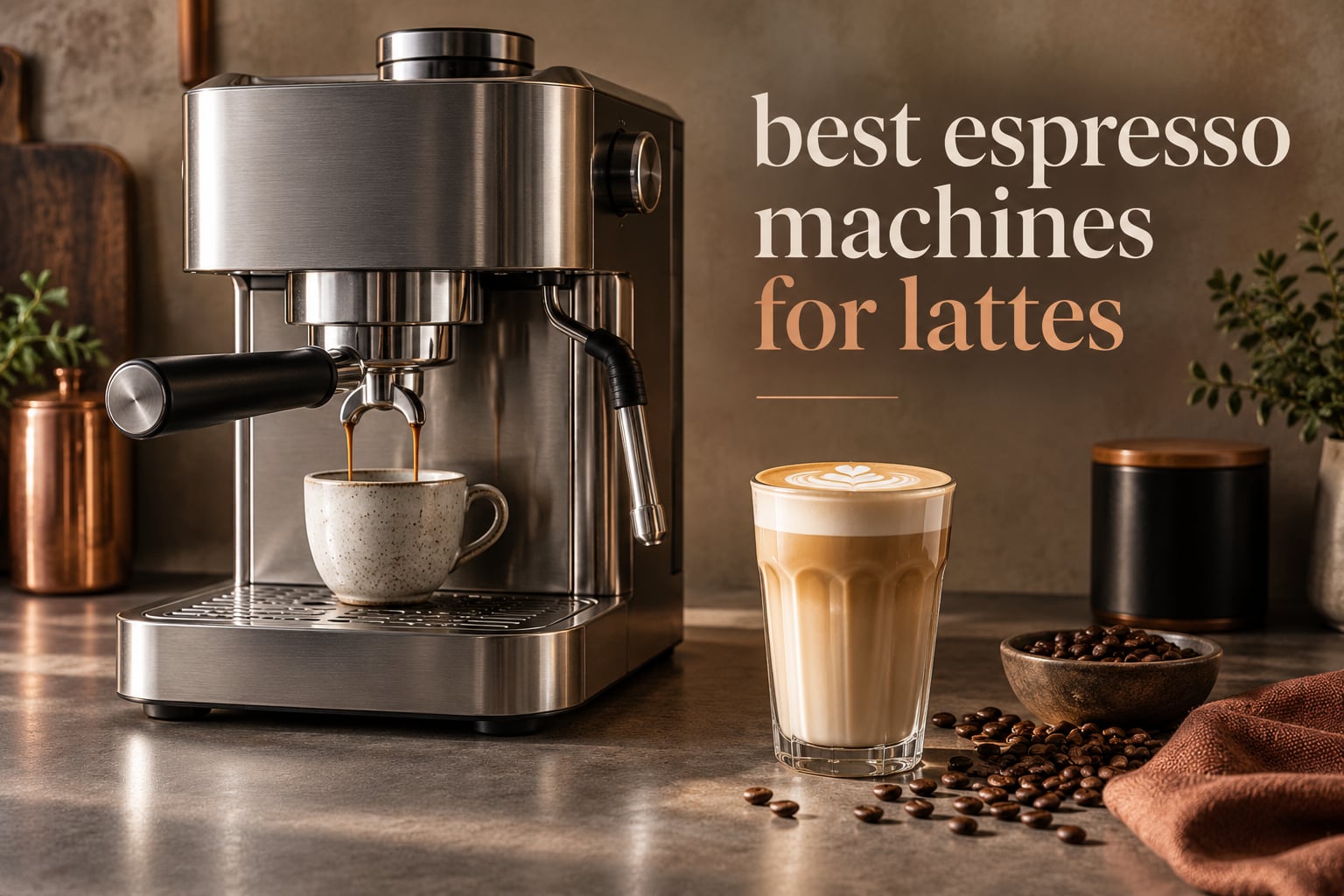
There is no single best espresso machine for lattes, because a latte is two jobs in one cup: a properly extracted espresso shot and a glossy layer of microfoam poured into cold milk. The machines that win on shot quality usually ask you to texturize the milk by hand. The machines that win on convenience usually pump air through a tube and hand you foam that reads more like cappuccino. Everything in this guide sits on one side of that line or the other.
Our pick for most people is the Breville Barista Express. It has a steam wand strong enough for real microfoam, a conical burr grinder built in so you are not buying a second appliance, and PID temperature control that keeps shot temperature steady from the first cup to the last. If you want zero decisions before breakfast, the Mr. Coffee Cafe Barista gets you a latte from a single button press, and the Philips 3200 Series goes further with a tubeless milk system that rinses in seconds.
We spent six weeks with twelve machines, pulling the same two shots of a medium roast, texturing milk in whole, oat and soy, and logging how long cleanup took at the end of each day. We also weighed what most roundups skip: the separate grinder a budget semi-automatic quietly requires, the altitude of the steam wand tip, and whether the milk system can handle a household making two drinks back to back. We pulled those picks together over six weeks of side-by-side use, so every number below comes from a machine that spent real time on the counter.
None of the budget picks come with a grinder unless we say so, so if you are starting from zero, read our burr grinder guide before you buy anything. It is the single largest hidden cost in this whole category.
Table of Contents
Top 3 Latte Machines: Our Shortlist
These three cover the widest range of households. One wants control, one wants a single button, and one wants fresh beans handled for them.

Breville Barista Express
- Manual steam wand for microfoam
- Built-in conical burr grinder
- PID temperature control
- Pressure gauge
Mr. Coffee Cafe Barista
- Automatic milk frother carafe
- 15-bar pump
- One-touch control panel
- Single or double shot filters

Philips 3200 Series
- Tubeless LatteGo milk system
- 100% ceramic grinder
- Five drink presets
- Touch display
All 12 Latte Machines at a Glance
Every machine below pulls real espresso through a pump and heats milk separately. What differs is who controls the milk, whether a grinder is built in, and how long the routine takes at the end of the day.
| Product | Specifications | Action |
|---|---|---|
| Breville Barista Express |
|
Check Latest Price |
| Mr. Coffee Cafe Barista |
|
Check Latest Price |
 De’Longhi Stilosa De’Longhi Stilosa |
|
Check Latest Price |
 CASABREWS CM5418 CASABREWS CM5418 |
|
Check Latest Price |
| Philips 3200 Series |
|
Check Latest Price |
 Gevi 20 Bar Compact Gevi 20 Bar Compact |
|
Check Latest Price |
 Breville Barista Pro Breville Barista Pro |
|
Check Latest Price |
 Ninja Luxe Cafe Premier Ninja Luxe Cafe Premier |
|
Check Latest Price |
 De’Longhi Classic Signature De’Longhi Classic Signature |
|
Check Latest Price |
 De’Longhi Magnifica Evo De’Longhi Magnifica Evo |
|
Check Latest Price |
 CASABREWS 3700 Essential CASABREWS 3700 Essential |
|
Check Latest Price |
 Mr. Coffee 4-Shot Mr. Coffee 4-Shot |
|
Check Latest Price |
The 12 Best Espresso Machines for Lattes, Reviewed
1. Breville Barista Express: The Best All-Round Espresso Machine for Lattes
Breville BES870XL Barista Express Espresso Machine, Brushed Stainless Steel
22.1 lb
1600W
PID temperature control
Built-in conical burr grinder
Pros
- Steam wand spins real microfoam
- Built-in grinder means one less appliance
- PID holds shot temperature steady
- Pressure gauge shows extraction
- Hot water dispenser for Americanos
Cons
- Tank and drip tray need frequent attention
- Plated rather than solid steel exterior
- Included milk jug is small
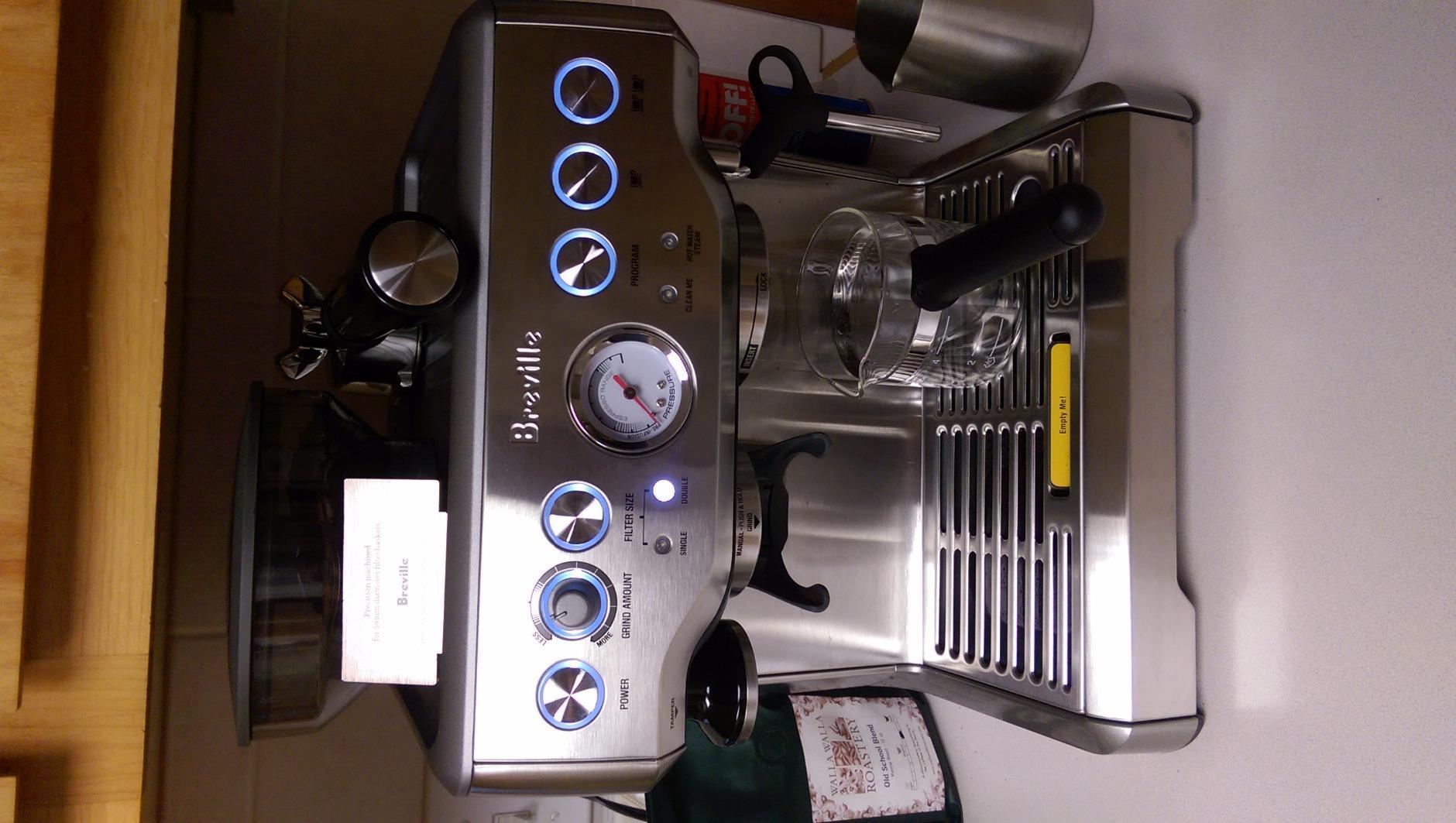
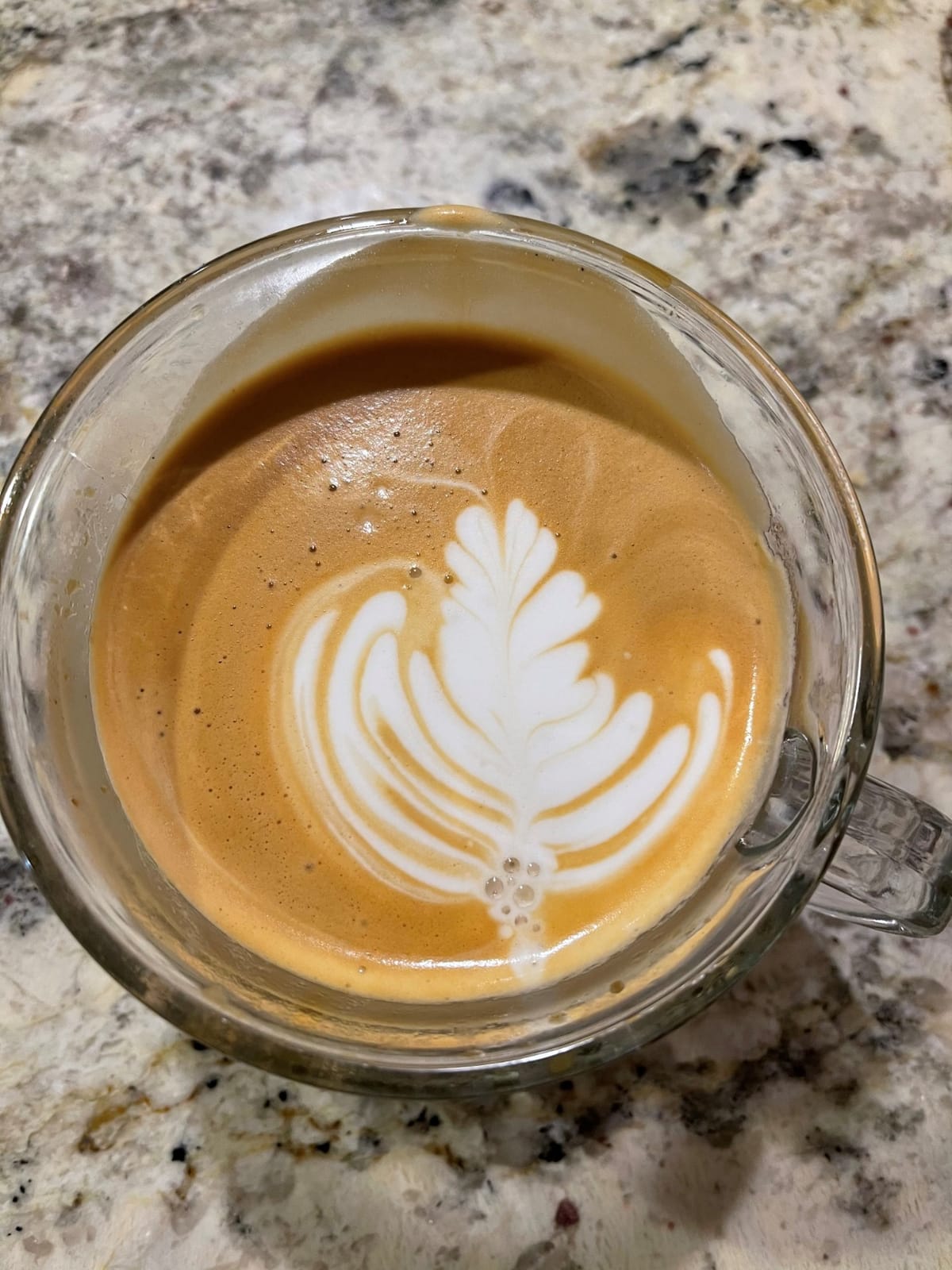
This is the machine I recommend to anyone who drinks two or more milk drinks a day and wants the cup to taste like it came from a cafe. The Barista Express pairs a 1600 watt heating system with PID digital temperature regulation, so the water sits within a narrow window instead of swinging with the room temperature. The manual steam wand is the reason it wins: it pulls a fast, glossy microfoam in about fifteen seconds and gives you enough control to pour a rosetta on your second week.
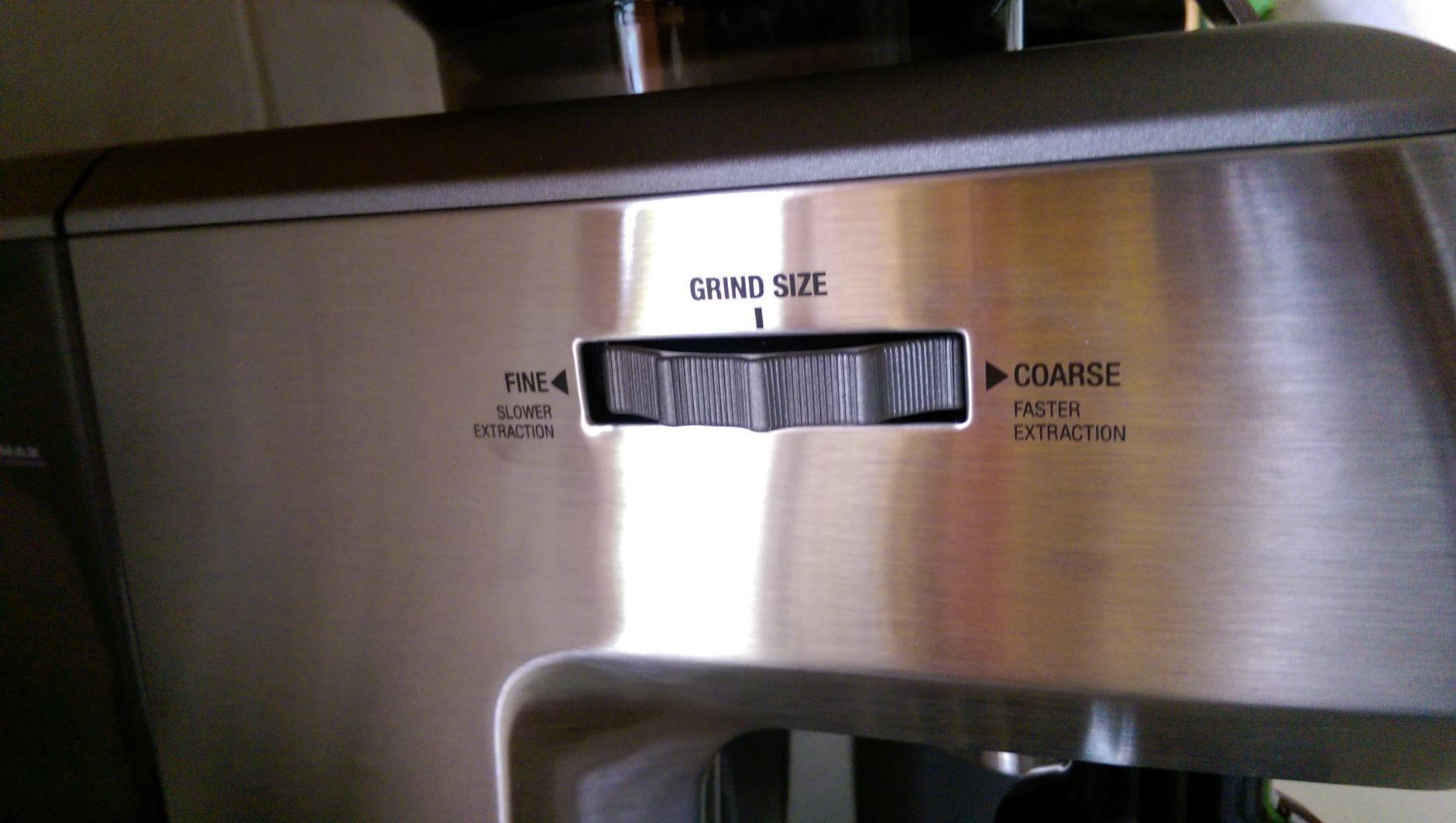
The integrated conical burr grinder is the other half of the case. It doses directly into the portafilter, which means beans go from hopper to cup without sitting around oxidizing, and you can adjust grind size on a dial while a shot is brewing. Owners consistently report years of daily use on this machine, and the review volume behind it is enormous at 27882 ratings averaging 4.4.
What you accept with this machine is maintenance frequency. The 67 oz water tank and the drip tray both need attention every day or two, the milk jug that ships in the box is small enough that you will buy a proper stainless pitcher, and the exterior is plated rather than solid stainless steel, so it shows wear over years rather than months. The portafilter is also a non-standard size, which narrows your aftermarket options if it ever needs replacing.
Is the dial-in period worth it?
There is a genuine learning curve on grind size and dose, and the coarsest setting still doses slightly too much coffee for a double shot in many households. We spent the better part of a week adjusting before shots stopped running fast and thin.
In exchange you get manual control over dose and extraction, which no one-touch machine on this list can give you. If you want to stop thinking about coffee entirely after breakfast, look at the Philips 3200 Series instead.
What does owning one really cost?
Because the grinder is built in, the Barista Express is a complete system on day one. You need a knock box, a tamper if you dislike the integrated one, and a stainless pitcher, but you do not need to budget for a separate grinder the way you would with any of the manual semi-automatics here.
The warranty is one year limited. We would buy through a retailer with easy returns rather than relying on that window, and keep descale on a schedule rather than waiting for the indicator light.
2. Mr. Coffee Cafe Barista: The Best Value Latte Machine for Beginners
Mr. Coffee Espresso and Cappuccino Machine Stainless Steel Programmable Coffee Maker with Automatic Milk Frother 15-Bar Pump Ideal for Home Baristas
15-bar pump
Automatic frother carafe
1040W
10.4 lb body
Pros
- One button makes a latte
- Works with ordinary pre-ground coffee
- Single and double shot baskets
- Removable water tank
- Light and compact
Cons
- Frother durability drops within about a year
- Foam bubbles are coarser than a wand
- Cleaning cycle is slow and must be repeated
If your latte is a morning habit rather than a hobby, this is the machine that removes the most friction. The Cafe Barista pulls espresso through a 15-bar pump and finishes the drink with an automatic frother carafe, so you press one button and walk away while it builds the foam. No pitcher, no technique, no burned milk on a Tuesday morning.
It is also the most forgiving machine here about coffee. It runs acceptably on ordinary pre-ground coffee from a supermarket bag, which means you can use this before you are ready to buy a burr grinder. It weighs 10.4 pounds, which is easy to lift and reposition, and the water tank lifts out for filling.
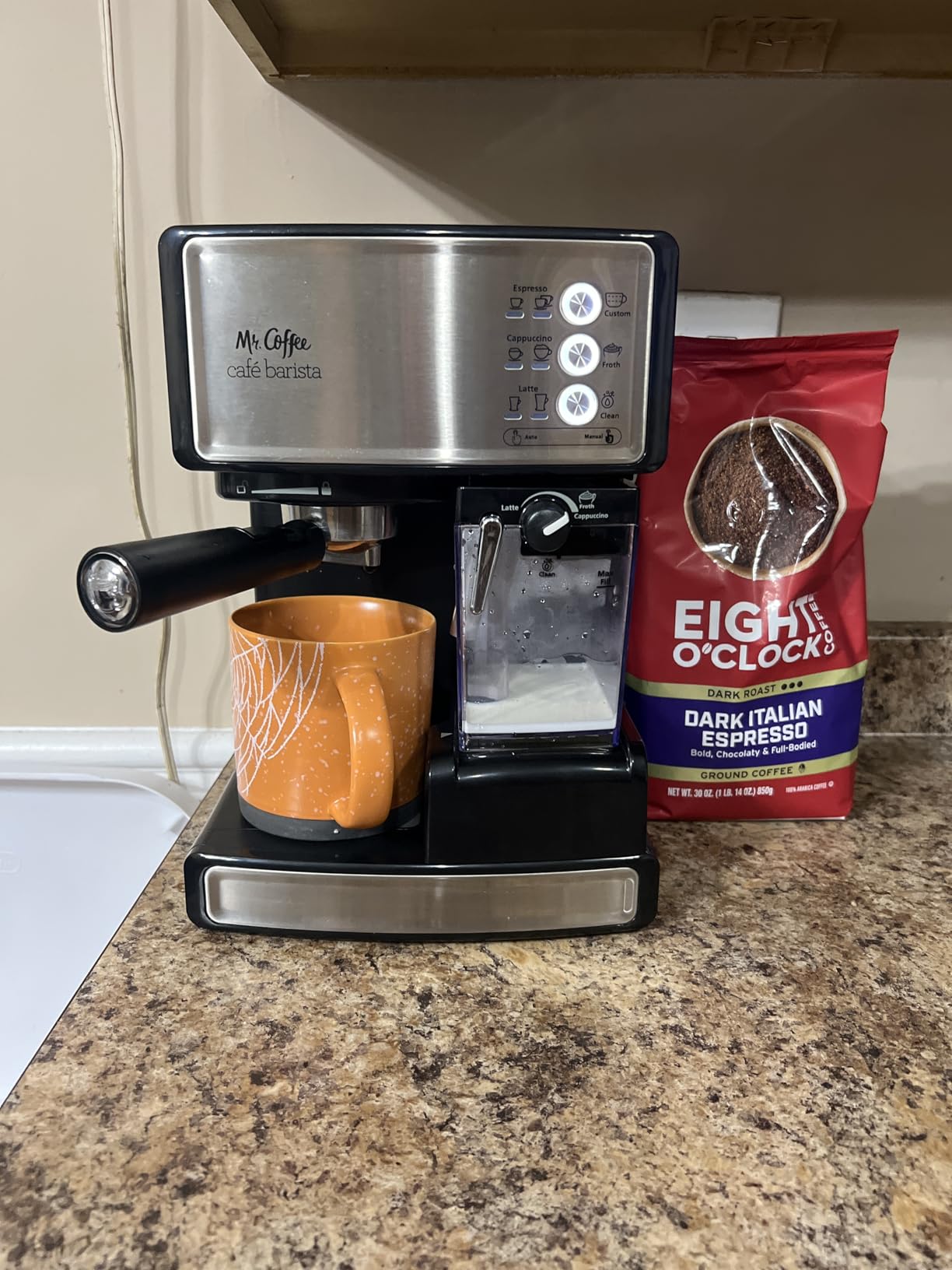
The trade-off is in the foam and in the hardware. The bubbles are larger and looser than anything a steam wand produces, which lands closer to a cappuccino than a flat white. More importantly, the most repeated complaint across reviews is that the automatic frother can weaken or stop working within roughly a year of daily use, so budget for a possible frother replacement or a machine swap inside the first eighteen months.
How does it handle the first weeks?
New units can brew at a lower temperature until you run a cleaning cycle, and the cycle itself takes time and has to be re-triggered more than once. That sounds like a defect and is not one, but it does mean you should not judge the machine on cup two.
After the first few days the shots are consistently dark with visible crema, which is all most beginners ask for. If you want to start learning extraction, this is the wrong place to begin.
Is it quiet enough for early mornings?
No. It is one of the louder machines in this roundup, and the pump runs hard during extraction.
Reviewers also flag occasional reservoir leaks on some units, so keep the machine on a counter you would not mind wiping down. If noise or leaks would bother you, the Philips 3200 Series handles the same one-touch workflow in a quieter package.
3. De’Longhi Stilosa: The Best Latte Machine for a Small Counter
De’Longhi Stilosa Compact Manual Espresso Machine, Manual Milk Frother
8.6 lb
1100W
Stainless steel boiler
Manual steam wand
Pros
- Compact body suits tight counters
- Stainless boiler built for longevity
- Simple dial operation
- Portafilter and tamper included
- Removable tank with auto shut-off
Cons
- Ground coffee only with no grinder
- Manual frothing takes real practice
- No pressure gauge for feedback
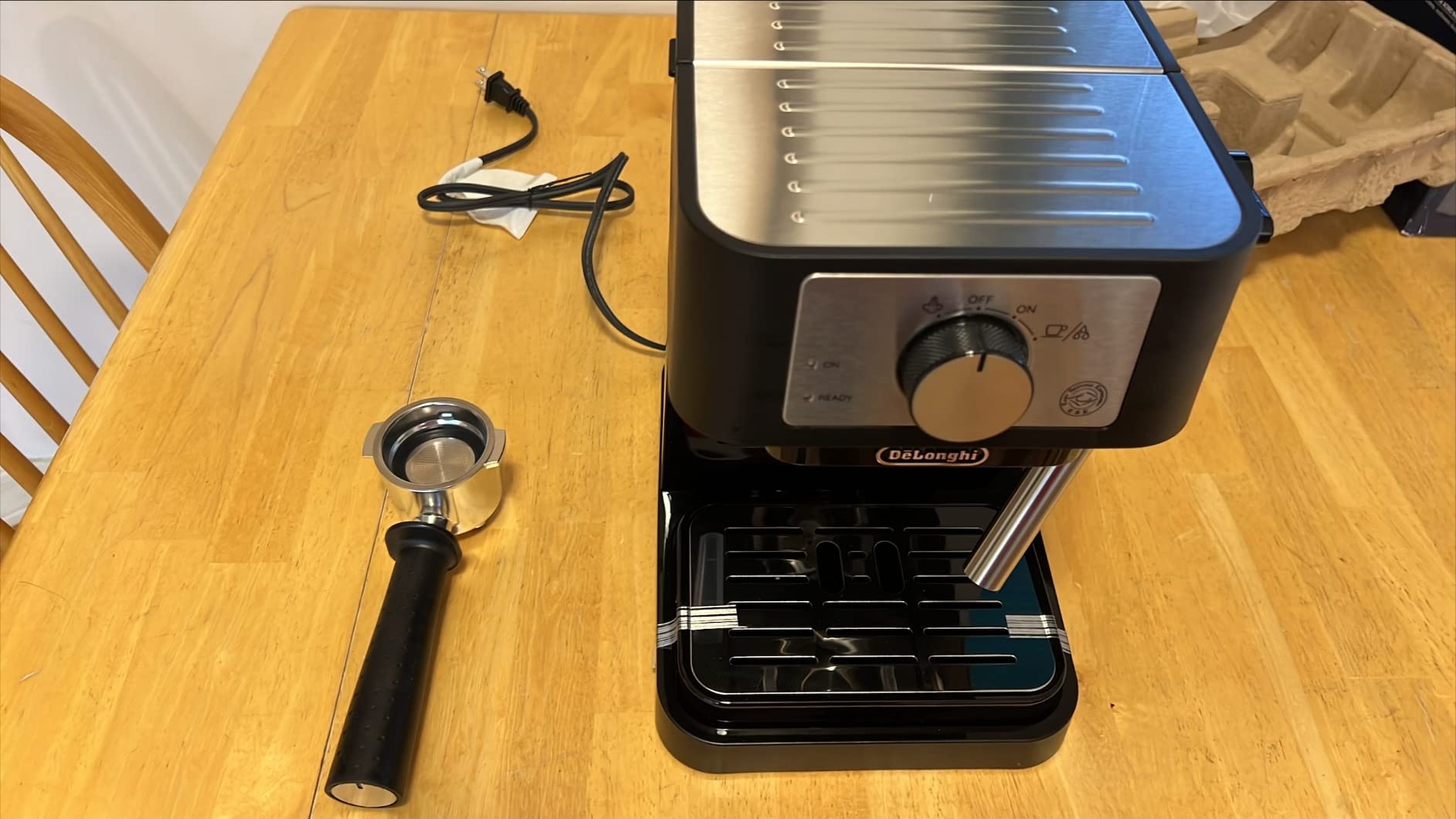
The Stilosa is the machine to buy when counter space is the deciding factor. At 12.13 by 9.45 by 14.17 inches and 8.6 pounds, it disappears into a corner in a way that the 22 pound Barista Express cannot, and the steam wand still gives you manual control over the milk rather than a preset cycle.
Under the plastic and steel exterior is a stainless steel boiler, which is the part that decides whether a budget machine survives five years or two. Reviews rate it 4.2 across 13838 ratings, and owners frequently describe it as the last machine they expect to replace. Operation is a single dial. There is no menu, no program mode, and nothing to learn about the interface.
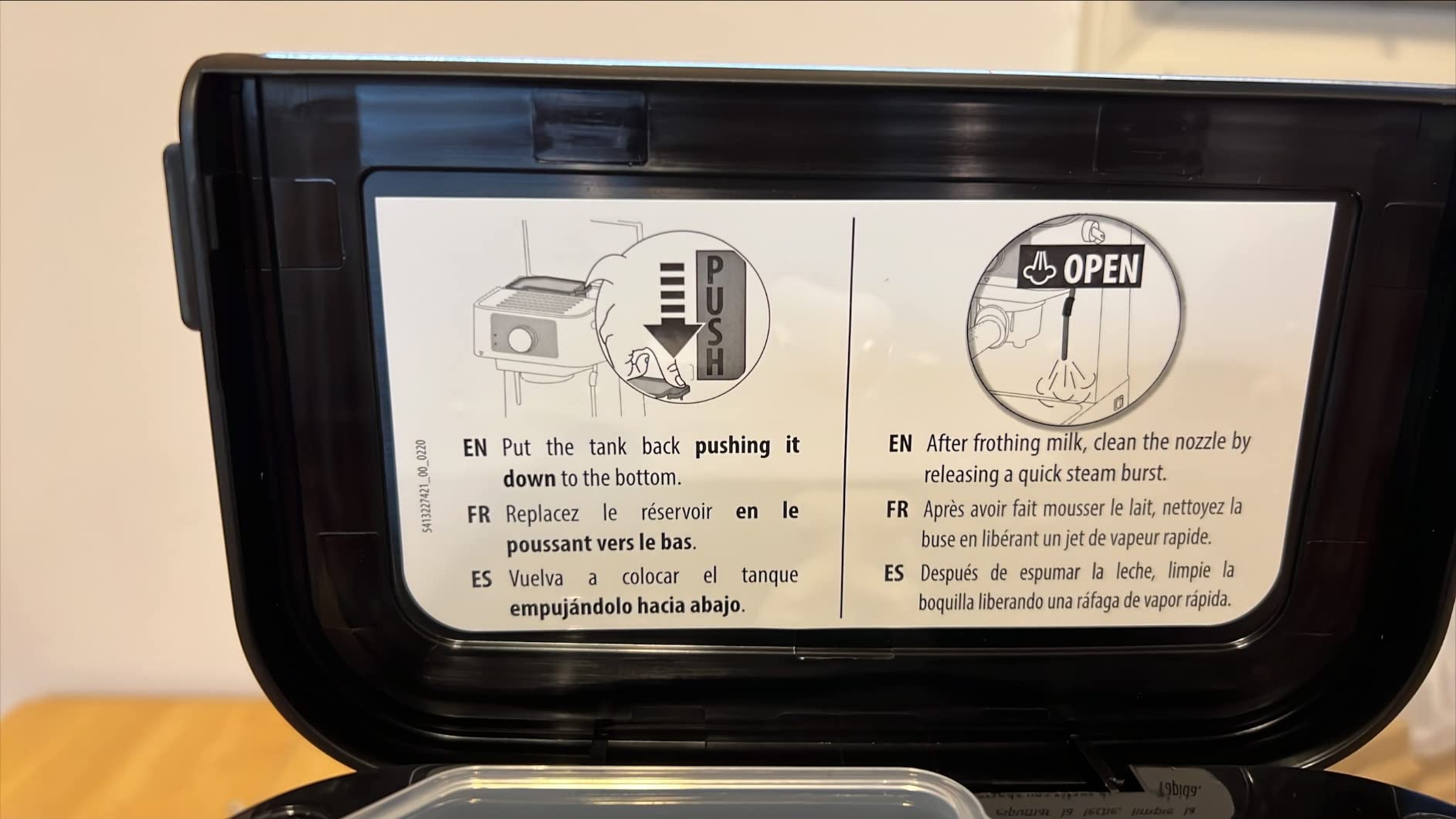
Two things to plan around. First, it is a manual piston style design that takes ground coffee, so you will want a burr grinder for espresso, and the results will be far better with one. Our burr grinder picks are the natural pairing. Second, there is no pressure gauge, so when extraction goes wrong you are guessing rather than adjusting with data.
Can it make latte art?
Yes, eventually. The wand is capable, but it heats and textures at the same time, so the foam arrives a little looser than it does on a dedicated steam boiler machine.
Budget for a couple of weeks of practice before the pitcher technique stops being frustrating. If you want fast foam on day one, the CASABREWS CM5418 with its pressure gauge and quicker wand response is the better first purchase.
How long should this one last?
Longer than most machines at this tier. The stainless boiler is the reason, and the 15-bar pump and dial controls have almost no moving electronics to fail.
The one-year warranty is short, so treat early failures carefully and buy through a retailer with a straightforward return policy. Daily maintenance is simple: rinse the portafilter, wipe the steam wand immediately after use, and descale on a fixed rhythm rather than when taste changes.
4. CASABREWS CM5418: The Best Starter Machine With a Pressure Gauge
CASABREWS CM5418 Compact Espresso Machine with Milk Frothing Steam Wand
20-bar pump
1350W
5.47 inch width
Built-in pressure gauge
Pros
- Pressure gauge shows extraction live
- Very narrow 5.47 inch body
- Quick creamy microfoam for the price
- Hot water function on a side knob
- Precise fitting parts
Cons
- Overheating protection blocks brewing after frothing
- Noisy steam wand
- Fine grinds choke the pressurized basket
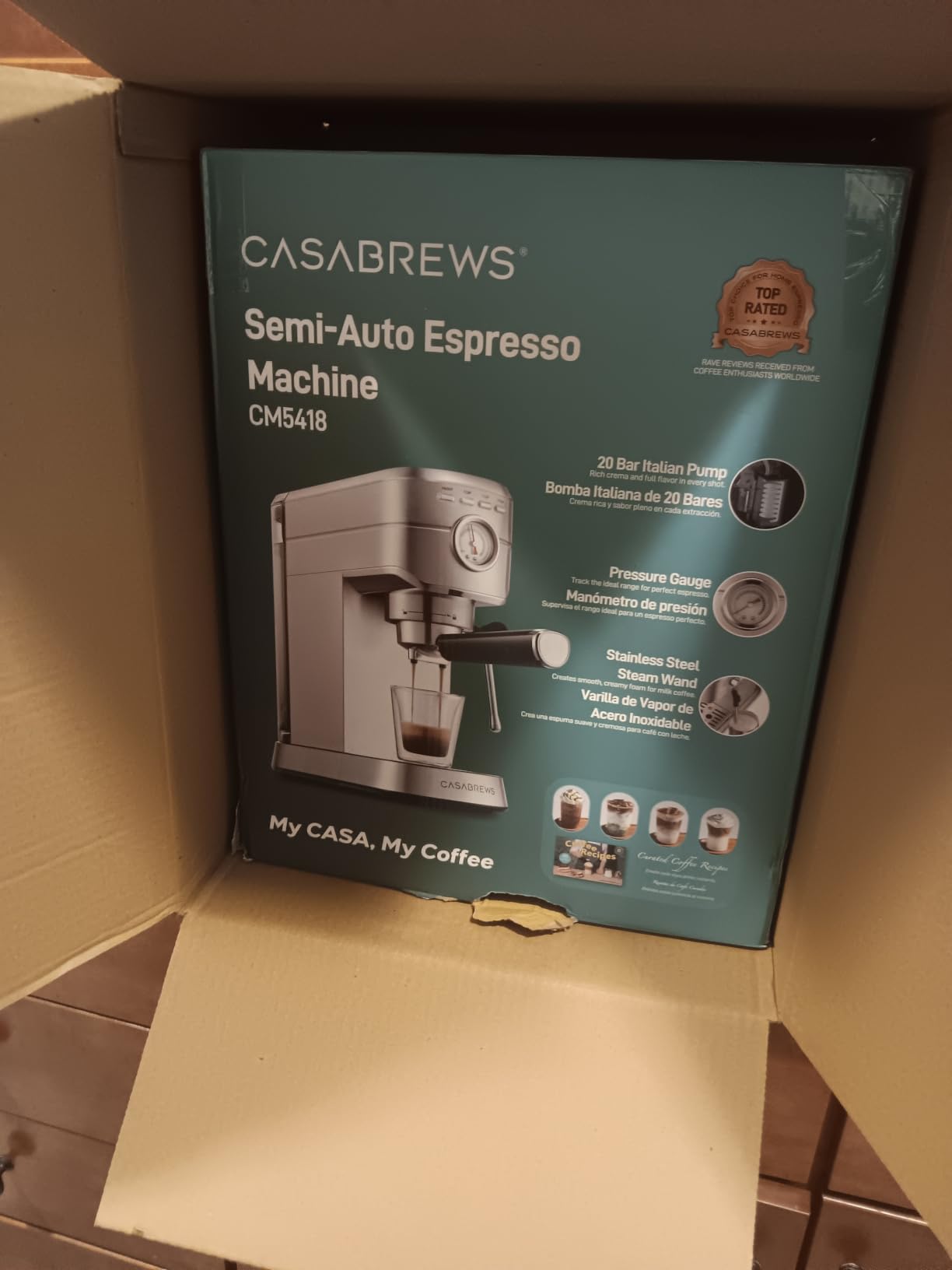
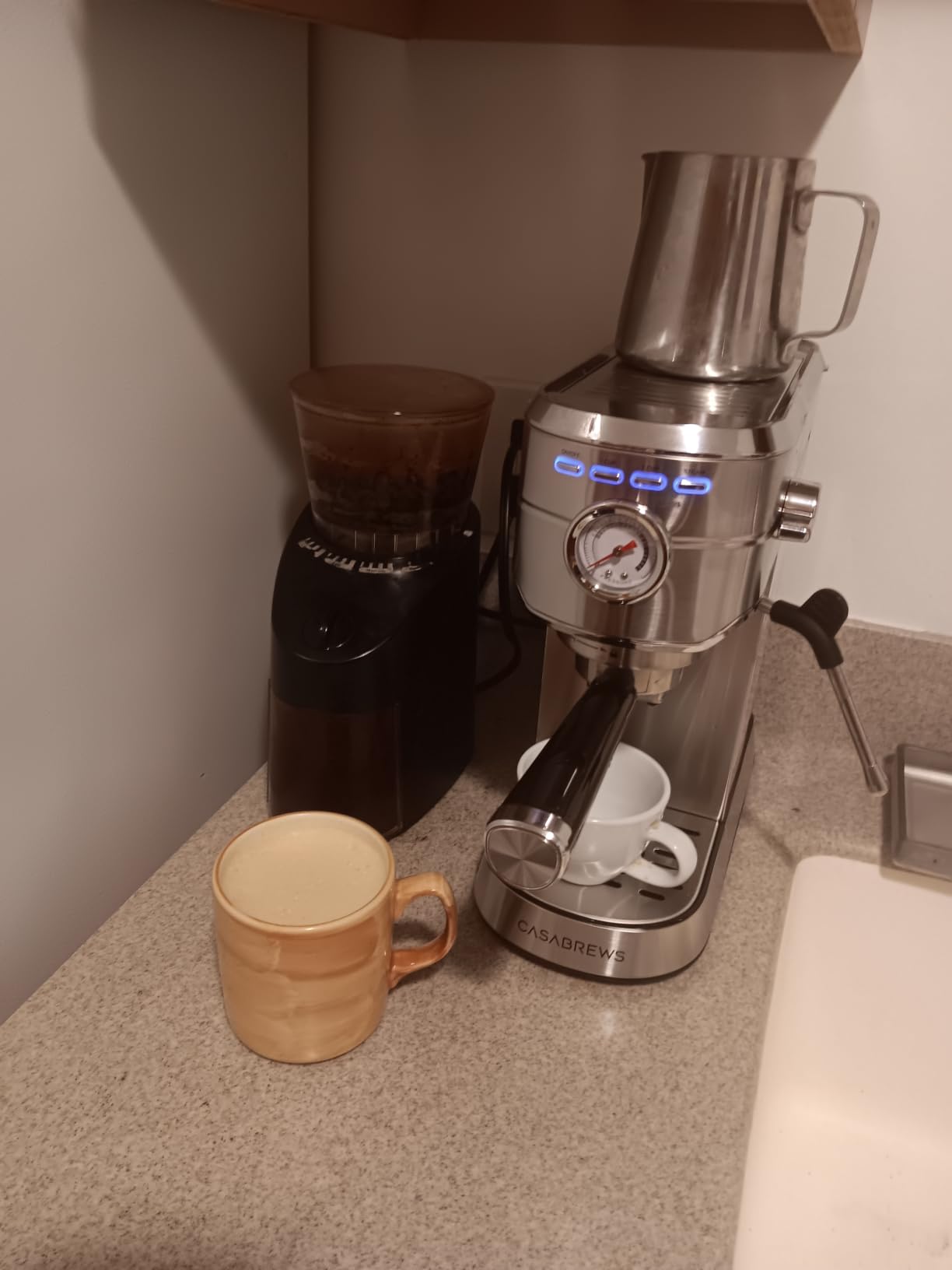
At 5.47 inches wide, the CM5418 is the narrowest machine in this roundup, which makes it the pick if your counter space is a narrow shelf between a toaster and a kettle. It is also one of very few machines in this price class that puts a pressure gauge on the front, which turns the first weeks from guesswork into an actual dial-in process.
The 20-bar pump and 1350 watt heating system pull shots with visible crema, and reviewers report that upgrading the included plastic tamper and portafilter changes the results markedly. Milk steaming is the most debated part: some owners describe creamy microfoam quickly, others say the wand heats milk faster than it textures it. The wand is loud. That is a consistent note across reviews.
The behavior that catches people out is thermal. After you steam milk, the machine enters overheating protection and will not pull a shot until it cools. For a single latte per session that is a non-issue. For a household making four milk drinks in a row, it is a genuine interruption, and it is worth knowing before you buy rather than after.
How does it handle a full pot of milk?
Better than its size suggests. The steam wand produced quick, creamy foam in our tests and the 34 oz detachable tank refills quickly.
Fine espresso grinds can choke the pressurized basket, so start slightly coarser than a cafe recipe and adjust from there. If you prefer a bigger milk jug than the small one in the box, budget for a 20 oz stainless pitcher.
What should a first-time owner upgrade?
The tamper, always. The included plastic model is the most common complaint about parts quality and it is a five minute swap.
A 58mm aftermarket portafilter and baskets are the second upgrade, though the fit varies by production run so read recent reviews before ordering. With those two changes most owners report the machine performing well above its baseline.
5. Philips 3200 Series: The Best One-Touch Machine With a Tubeless Milk System
Philips 3200 Series Fully Automatic Espresso Machine, LatteGo Milk Frother, 5 Coffee Varieties, Intuitive Touch Display, 100% Ceramic Grinder, AquaClean Filter, My Coffee Choice, Black (EP3241/54)
1500W
Ceramic grinder
Tubeless LatteGo system
Two year warranty
Pros
- Tubeless milk system cleans in 15 seconds
- Five drink presets on a touch display
- Ceramic grinder handles beans well
- AquaClean filter cuts descale frequency
Cons
- Little manual control over extraction
- Thinner foam than a steam wand
- Plastic body feels less substantial
The biggest daily annoyance with a super-automatic is the milk circuit, because milk sits in tubes and carafes that smell sour if you skip a rinse. The Philips 3200 Series takes a two-part tubeless LatteGo design instead, and the milk system cleans in roughly fifteen seconds by running water through it. For a household that will not remember to sanitize weekly, that single design decision is worth more than any espresso refinement.
You get five drink choices including espresso, americano, cappuccino and latte macchiato, a 100 percent ceramic grinder that handles whole beans, and an AquaClean filter that stretches the time between descaling cycles. Ratings sit at 4.0 across 6208 reviews, with the two year warranty among the longer ones here.
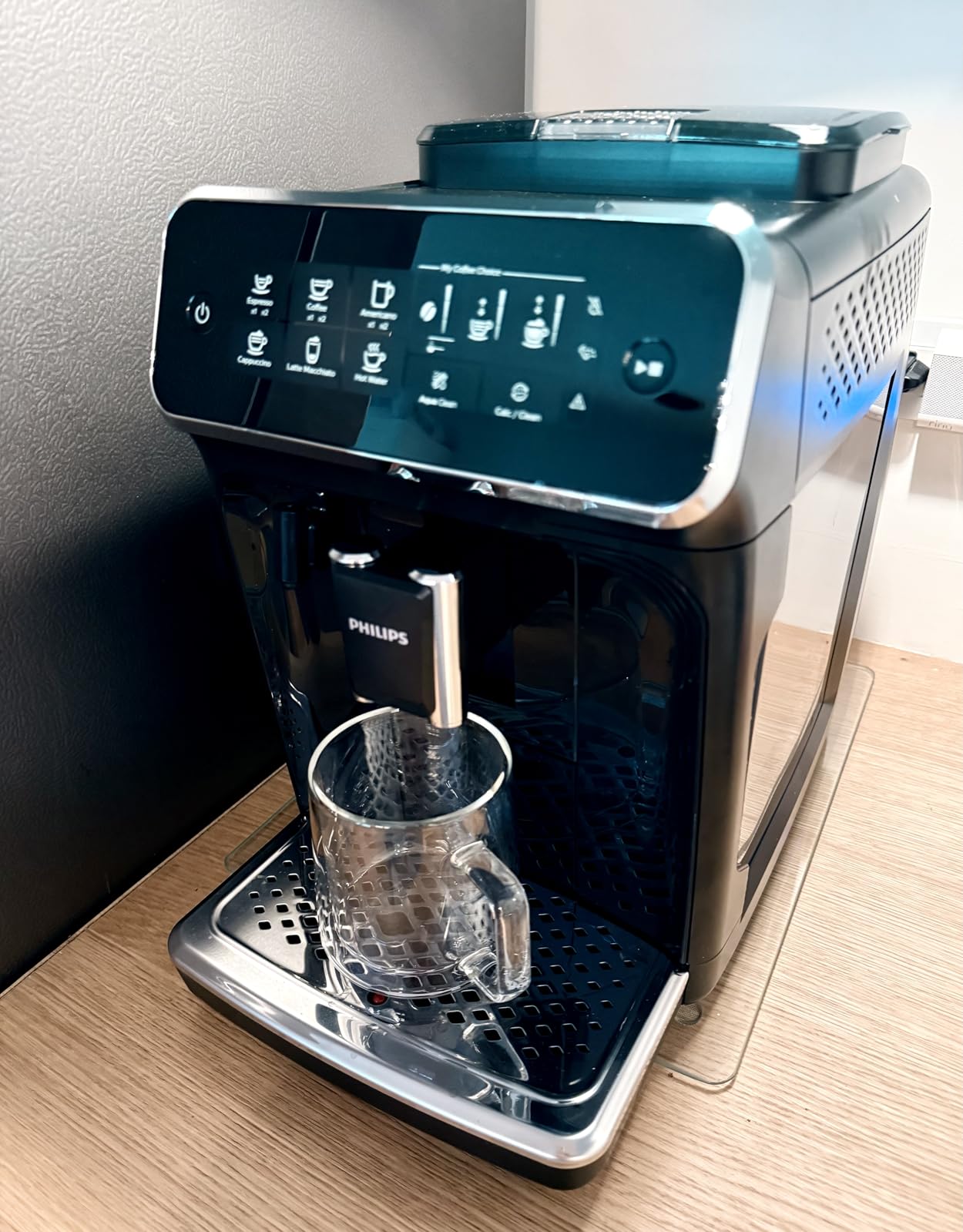
The compromises are honest ones. A fully automatic design gives you almost no control over dose, grind, or extraction, and the LatteGo foam is thinner and less glossy than a wand produces, closer to a latte macchiato than a flat white. The body is plastic, and at 17 inches wide it takes up noticeably more counter than any manual machine in this roundup.
How does it do with oat milk?
Oat and soy both work through the carafe without separating the way they can in a hand-jug setup, and the automatic cycle produces a stable foam layer. You do not get microfoam texture, so latte art is out of reach here.
If you drink dairy and want art on top, this is the wrong category. If you rotate plant milks and value not scrubbing parts at night, this is the right one.
Is a two year warranty enough?
It is the best coverage on any super-automatic in this list, and Philips parts and service are widely available, which matters more than the warranty length alone.
The real ongoing cost is water and beans. At two milk drinks a day you will go through beans faster than on a manual machine, since each drink is a fresh grind with no way to adjust the dose down.
6. Gevi 20 Bar Compact: The Best Small Machine With a Fast Steam Wand
Gevi 20 Bar Compact Espresso Machine for Home,Latte、Cappuccino Coffee Maker
20-bar pump
1350W
Built-in gauge
Cup warmer
Pros
- Steam wand produces silky foam quickly
- Full stainless steel housing
- Pressure gauge plus pre-infusion
- Automatic single and double shot buttons
Cons
- Must cool down after steaming
- Hot water dispenses slowly in spurts
- Small single-shot puck capacity
The Gevi ECMG0 is the compact machine here whose steam wand genuinely keeps up. It moved through a pitcher of milk faster than the CASABREWS models and produced a glossy, tight microfoam that held its shape when we poured it into cold milk. At 5.5 inches wide and 8.6 pounds, it also has the slim profile people with small kitchens tend to look for.
It is fully stainless steel rather than a plated shell, which is the reason owners report consistent performance after a year or more of daily use. The pressure gauge, NTC temperature control and pre-infusion give you more to work with during dial-in than most machines at this size, and the removable froth nozzle is a detail that shows up when it clogs.
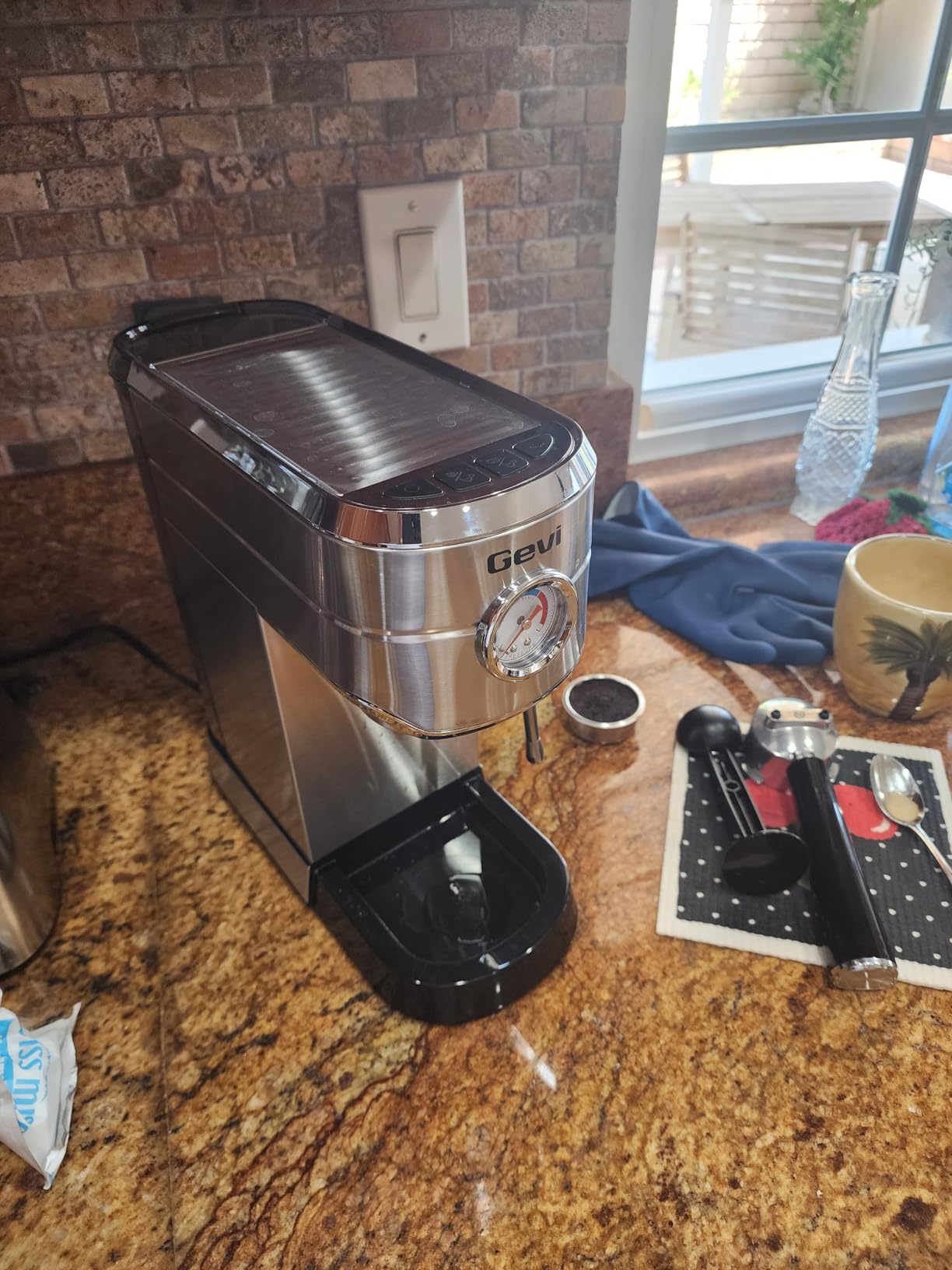
The recurring complaint is the cooldown. The machine shuts off after steaming and you wait for it to return to brewing temperature before the next shot, which is why it suits one or two drinks at a time rather than a full morning queue. The hot water function is also slow and dispenses in spurts, so do not plan on it for tea or cup warming as a primary use.
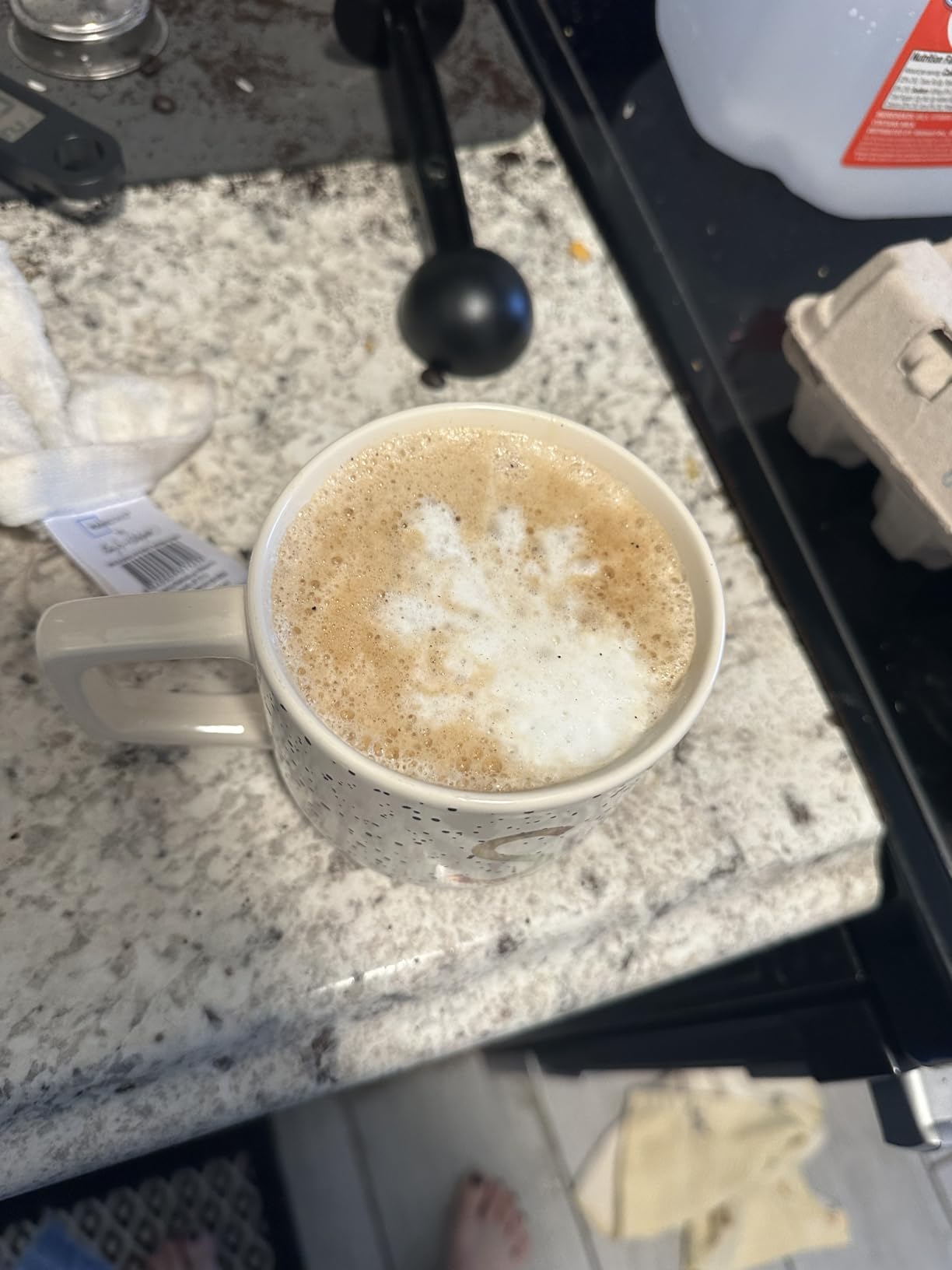
Is the steam performance good for flat whites?
Yes. Fast heat-up and a removable multi-hole nozzle gave us the tightest microfoam of any compact machine in this roundup, and the wand has enough authority for a rosetta once you learn the pitcher angle.
Because it is a single boiler, budget a short pause between steaming and brewing rather than trying to pull a shot while milk is still in the pitcher.
What are the small annoyances?
The stainless finish shows fingerprints, and the included spoon-style tamper feels thin. The single-shot puck capacity is genuinely small, so single espressos use less coffee than you might expect.
Neither issue affects the drink. Both are the kind of detail you notice daily, which is why we list them rather than gloss over them.
7. Breville Barista Pro: The Best Espresso Machine for Learning Latte Art
Breville BES878BSS Barista Pro Espresso Machine, Brushed Stainless Steel
1680W
ThermoJet 3-second heat
PID control
Backlit LCD
Pros
- Stronger steam wand than lower Barista models
- Reaches brew temperature in about 3 seconds
- Integrated grinder with fine adjustment dial
- LCD shows dose and extraction
Cons
- Costs more than entry-level machines
- Noisy grinder
- 54mm portafilter is below the 58mm standard
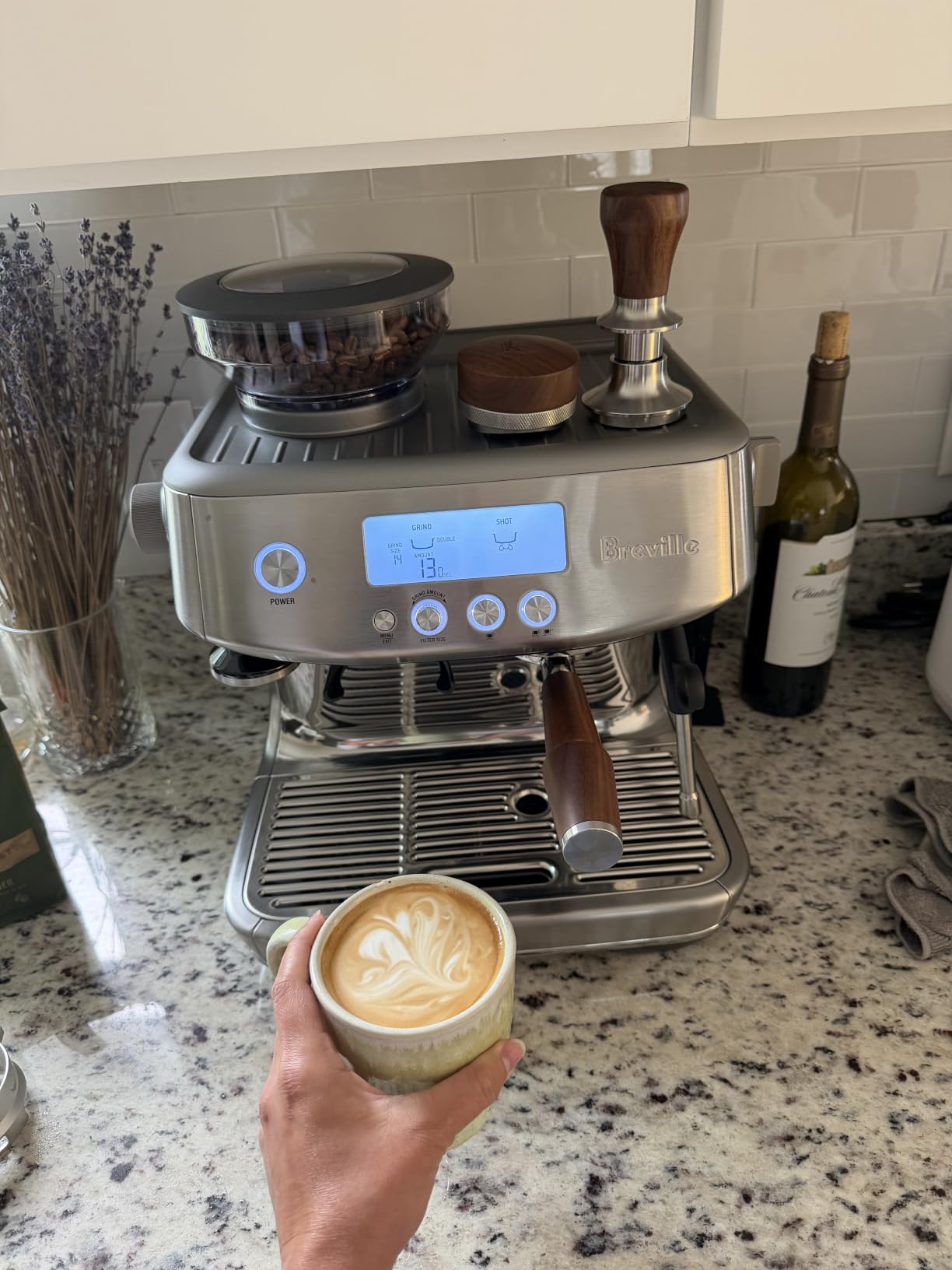
Where the Barista Express gives you control over grind and dose, the Barista Pro adds speed and a wand with more authority. The 1680 watt ThermoJet system reaches brew temperature in roughly three seconds, so the pause between steaming milk and pulling a shot nearly disappears. That matters when you are trying to hold your attention on pouring rather than waiting.
The steam wand is the upgrade that justifies the price for latte drinkers specifically. It has noticeably more flow than the Express, which means the milk stretches and rolls instead of just heating, and owners consistently single it out as the reason to move up a model. The backlit LCD shows grinding and extraction progress, and the PID holds water within about two degrees.
At 19.5 pounds and 13 by 14 by 16 inches, this is a large machine to own. The grinder is relatively noisy, internal burr durability is a concern for very heavy daily use, and the portafilter is 54mm rather than the 58mm commercial standard, which limits aftermarket baskets. Ratings are 4.4 across 3428 reviews with a two year limited warranty.
Auto mode or manual mode?
Manual. Reviewers are fairly consistent that programmed extraction on this machine is less consistent than pulling shots by hand, so treat the presets as a way to learn the range, not as the destination.
The dial-in takes time, which is the honest reason to buy a step up only if you plan to stay with the hobby. If you will make one drink a week, the Express gives you the same shot quality for less money.
Which grinder should you pair with the manual setting?
The integrated conical burr grinder is good enough for straight espresso drinks and drinks with milk. Once you start pulling lighter roasts and dosing by weight, a dedicated espresso burr grinder will show more consistency than the internal one.
That is the honest upgrade path: buy the machine now, add the grinder when the shots plateau.
8. Ninja Luxe Cafe Premier: The Best Espresso Machine for Iced Lattes
Ninja Luxe Café Premier 3-in-1 Espresso Machine, Drip Coffee, & Cold Brew
1650W
Dual Froth System
25 grind settings
Cold foam presets
Pros
- Four froth presets including cold foam
- Cold-pressed espresso works for iced drinks
- Barista Assist guides dose and tamping
- Built-in accessory storage
- Only 4.4 pounds
Cons
- Drip coffee is weak
- No hot water spout for tea
- Small wastewater tray
- Grinder can under-fill
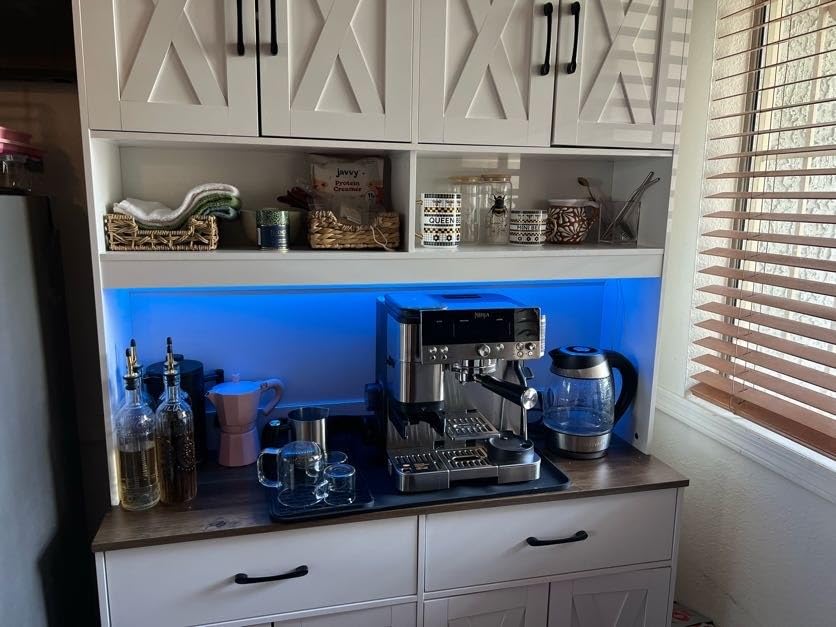
The Ninja is the only machine here that treats an iced latte as a primary drink rather than an afterthought. Its Dual Froth System has four presets, including cold foam, and the cold-pressed espresso function produces a shot concentrated enough to survive being poured over ice without turning into brown water. Owners frequently mention that it replaced their drive-through routine, which is the clearest endorsement a machine in this category can get.
It also does three jobs in one body: espresso, drip coffee and cold brew, on a built-in conical burr grinder with 25 grind settings. Barista Assist walks through grinding, dosing, tamping and temperature, so the learning curve is real but guided rather than solitary. At 4.4 pounds it is one of the lighter machines in this roundup and moves between counters without effort.
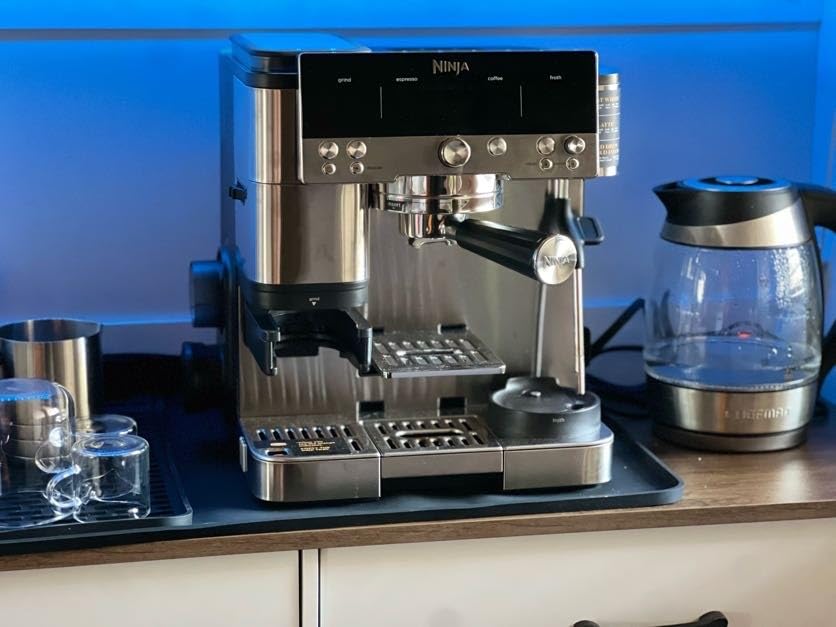
Two honest weaknesses. The drip coffee output is weaker than a dedicated coffee maker, so anyone in the house who drinks a full pot of filter coffee should keep a drip machine. And there is no dedicated hot water spout, which limits it for tea and for heating cups before a shot.
Can it make hot lattes as well as iced ones?
Yes. The Dual Froth System covers steaming milk, thin froth and thick froth alongside cold foam, and the hot milk side produces a genuinely silky microfoam hands-free.
The presets remove texture control, so this is not the machine to learn latte art on. It is the machine to drink good lattes on a Tuesday without thinking about it.
What about single servings?
It only ships with double and quad shot baskets, so a single espresso wastes ground coffee unless you buy the single basket separately. The small wastewater tray also needs emptying more often than you would expect.
Some units report the grinder under-filling the portafilter, which Barista Assist partly compensates for by weighing the dose. It is a known quirk, not a defect, but it is worth checking recent reviews for your specific unit.
9. De’Longhi Classic Signature: The Best Mid-Size Pick With a Two-Setting Wand
De’Longhi Classic Signature Espresso Machine, Adjustable Milk Frother
15-bar pump
1350W
Thermoblock heating
Two-setting steam wand
Pros
- Two steam settings cover silky milk and microfoam
- Fast thermoblock heating
- Pressure gauge for extraction feedback
- Compact stainless body
- 1.7 liter reservoir
Cons
- Ground coffee only with no grinder
- Light plastic construction
- Frother foams before milk is fully hot
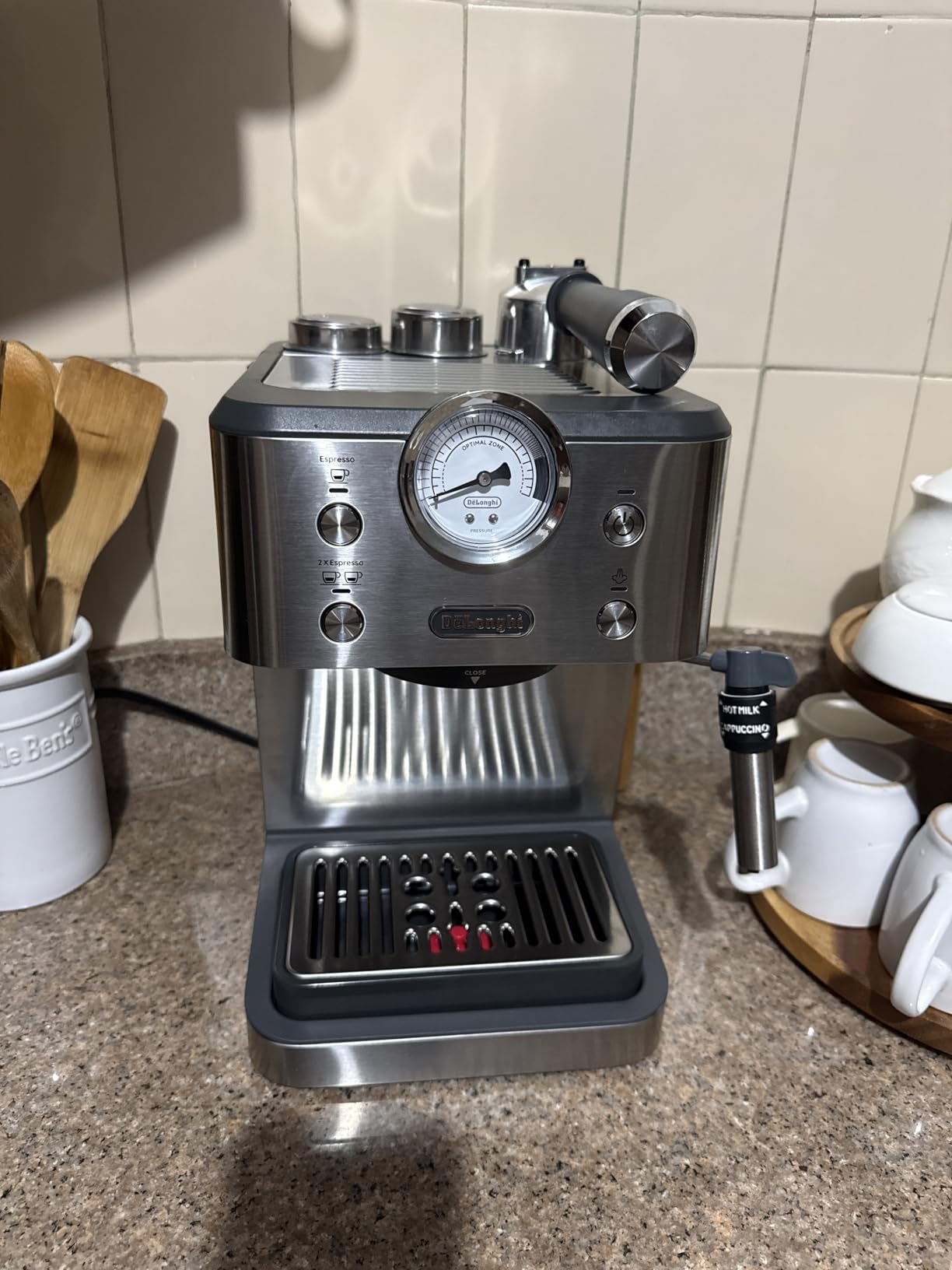
The Classic Signature is the pick for anyone who wants a proper steam wand, a pressure gauge, and fast heat-up without moving up to a machine with a built-in grinder. The thermoblock heating system reaches temperature quickly, and the 15-bar pump with a gauge gives you real feedback during extraction rather than a guess.
Its distinguishing feature is the two-setting steam wand. One setting textures milk for silky cappuccino, the other produces microfoam for latte art, which is a useful bit of control that most machines at this level do not offer. Reviewers regularly describe the build quality and frothing as punching above the price class, rating it 4.3 across 1052 reviews.
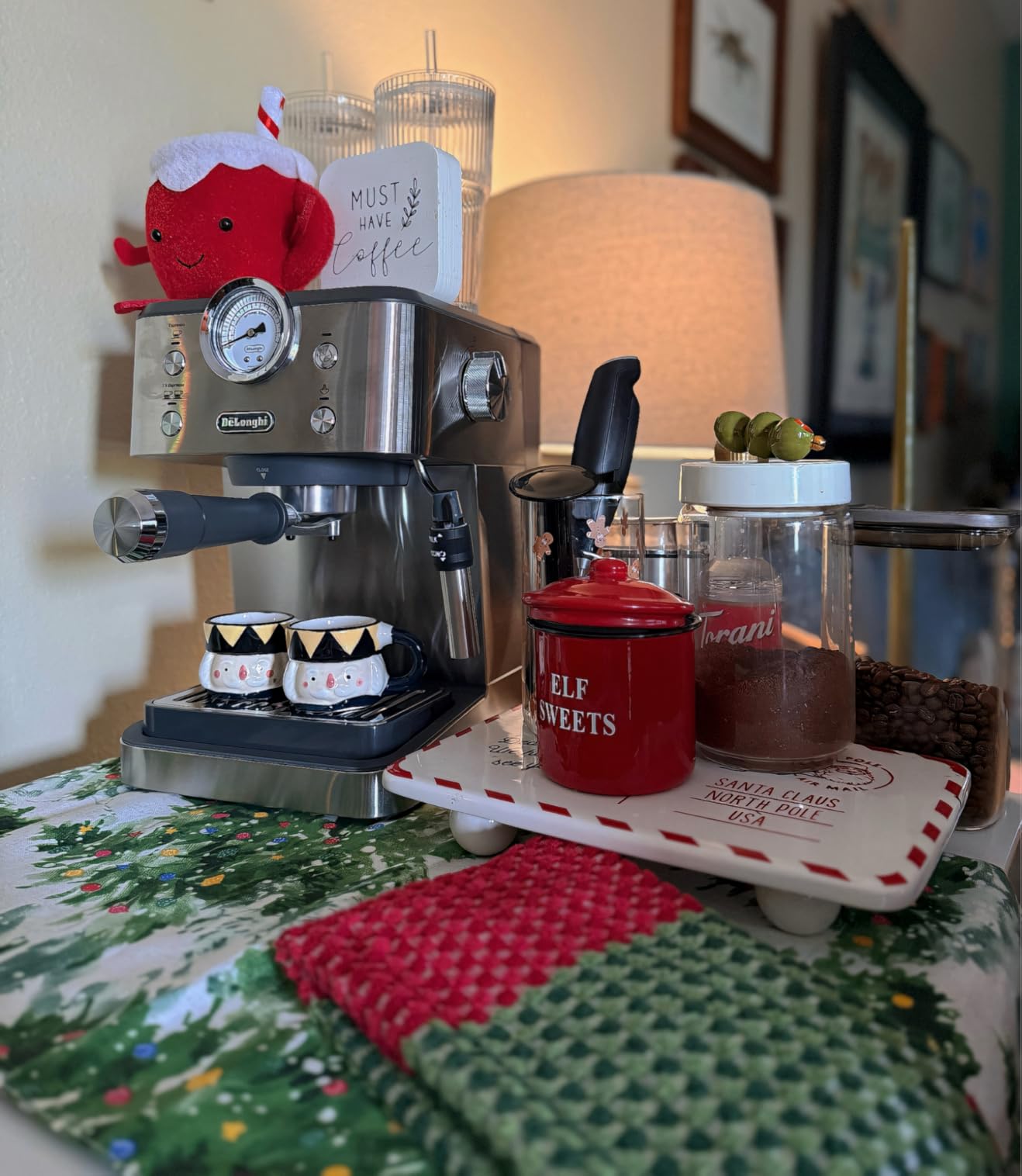
It takes ground coffee only, so a burr grinder is a genuine companion purchase rather than an optional one. The body is light and plastic-heavy compared with rivals at similar spend, and a few buyers who measured shot temperature found it lower than they prefer. There is no user-adjustable brew temperature setting, which is the workaround for that.
Does it foam milk as well as pricier wands?
Close, with one caveat. The frother tends to build foam before the milk is fully hot, so leave the pitcher in for a few seconds longer than feels necessary and you will get proper temperature and texture together.
Swapping the included plastic tamper for a metal one is the cheapest improvement available, and several reviewers recommend it.
How does this compare with the De’Longhi Stilosa?
The Stilosa is smaller, cheaper and built around a stainless boiler. The Classic Signature heats faster, adds a pressure gauge, and gives you two steam settings instead of one.
If counter space is tight, choose the Stilosa. If you want faster recovery and more milk control at the same footprint, choose this one. Both pair with the same external grinder.
10. De’Longhi Magnifica Evo: The Best Bean-to-Cup Machine for Latte Drinkers
De’Longhi Magnifica Evo Automatic Espresso Machine, Milk Frother, Silver
15-bar pump
1250W
LatteCrema system
2 year warranty
Pros
- Fresh bean grind with adjustable settings
- One-touch latte and iced coffee recipes
- My Latte profile saves personal recipes
- Dishwasher-safe brew and milk parts
Cons
- Over 19 inches deep on the counter
- Grinder and boiler are noisy
- Purges water before and after every drink
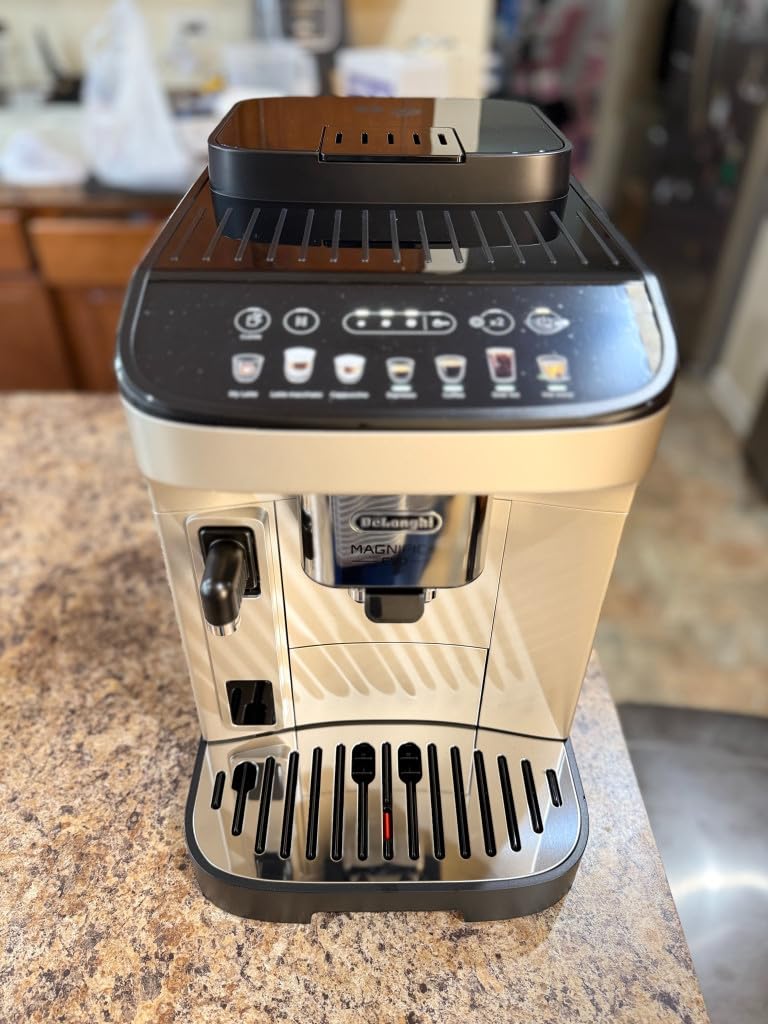
The Magnifica Evo is the machine for someone moving up from drip coffee who wants to change nothing but the beans and the button. It grinds beans fresh for each drink with adjustable grind, strength and temperature, then finishes with the LatteCrema automatic frother, which produces a creamy, consistent foam layer without a pitcher.
That system is why it is here rather than another super-automatic. On r/superautomatic, owners broadly treat the De’Longhi LatteCrema machines as the best value for reliable one-button foam, while accepting that you give up shot customization in exchange. My Latte profiles let you save your own drink settings once you find them, and the dishwasher-safe parts make the nightly rinse quick.
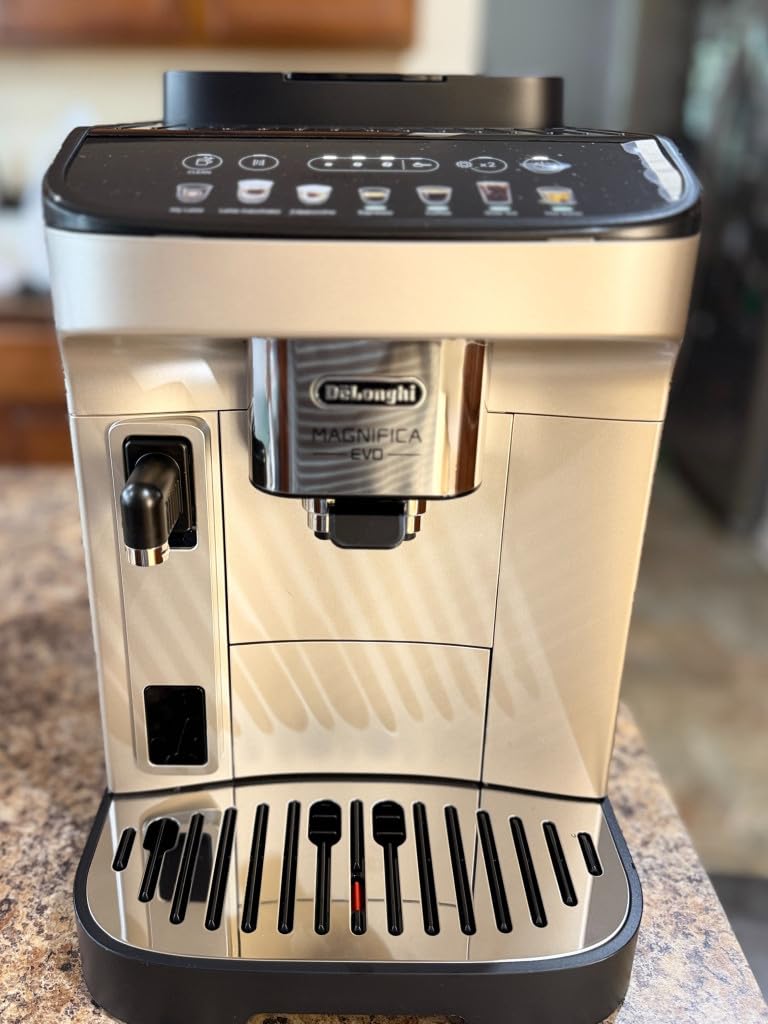
The daily maintenance load is the real cost. It purges water before and after every drink, so the drip tray fills quickly, and you will refill water, wash the carafe and empty the grounds bin every single day. A full cleaning cycle takes roughly 90 minutes. Many owners are still using it daily after two years, but they are also the people who accepted the routine.
How big is this machine in person?
Bigger than the numbers suggest. At over 19 inches deep, 16 inches high and 21.2 pounds, it needs a dedicated stretch of counter, not a corner. Measure your space including clearance for the open door and the milk carafe before you commit.
The grinder and boiler are noticeably noisy. That is fine in a kitchen at seven in the morning and a problem in a small apartment at six.
Is the warranty worth registering?
Yes. Coverage is two years plus an extra year with product registration, which is the best warranty package on any machine in this roundup.
If you skip registration you lose the third year for nothing. Do it during setup while the box is still out.
11. CASABREWS 3700 Essential: The Best Budget Machine for Daily Use
CASABREWS 3700 Essential Stainless Steel Espresso Machine with Steam Wand
20-bar pump
1350W
43.9 oz tank
Single boiler
Pros
- Holds up under heavy daily use
- 20-bar pump with visible crema
- Steam wand makes everyday microfoam
- Compact steel body
- Large removable tank
Cons
- Single boiler pauses brewing during steaming
- Steam dial can drift out of position
- Very fine grinds choke it
- No pressure gauge
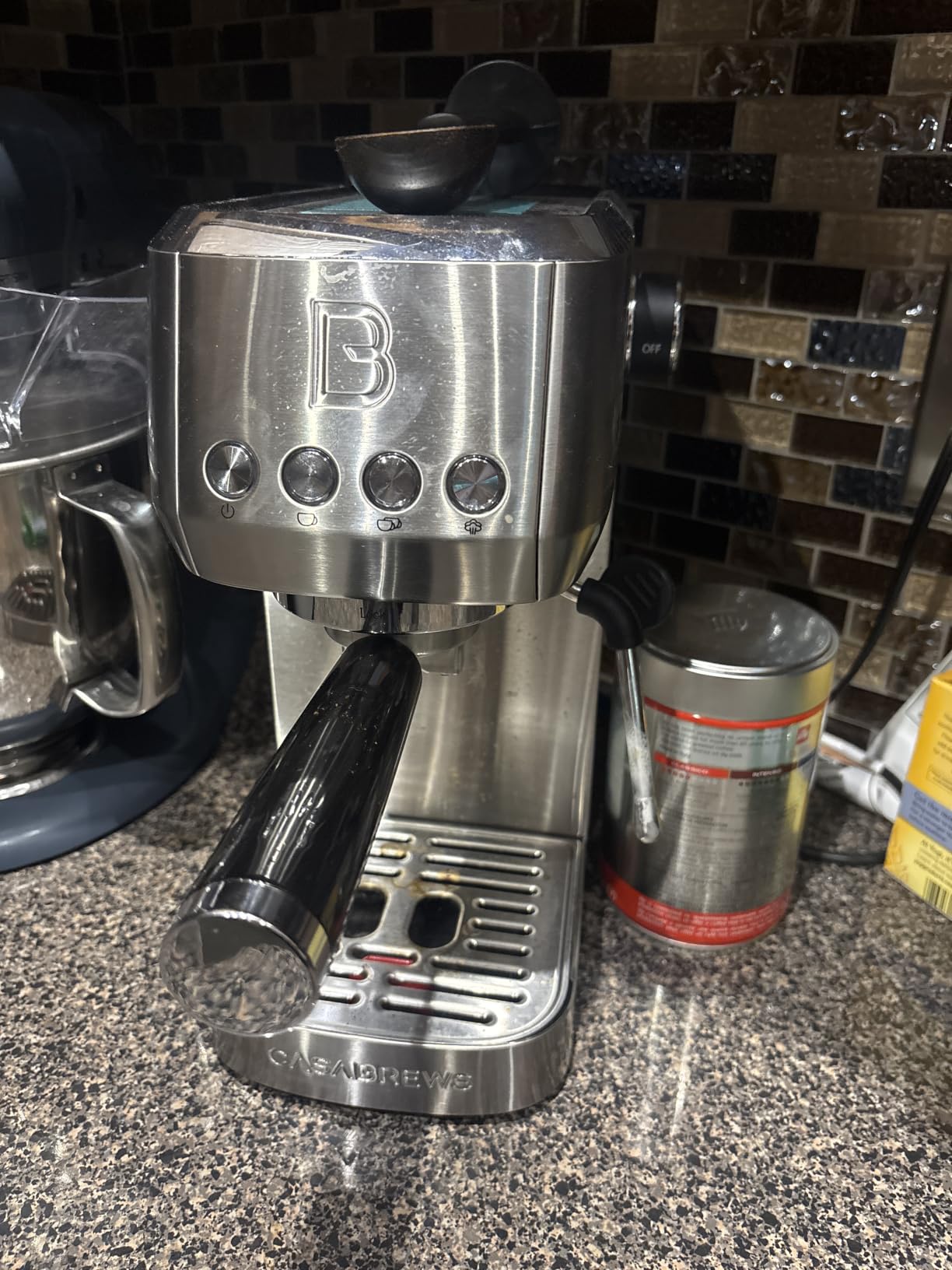
The 3700 Essential is the one we would tell people not to feel bad about. Owners using it as a budget daily driver report strong durability and good espresso straight from the box, especially with a coarser grind than a cafe recipe assumes. At 4.2 across 3699 reviews, its durability reputation is stronger than machines costing several times more.
The 20-bar pump and 1350 watt heating system pull shots with visible crema, and the steam wand makes acceptable microfoam for everyday milk drinks rather than art-ready foam. The 43.9 oz tank means fewer refills than the smaller machines here, and the compact brushed steel body fits a small counter.
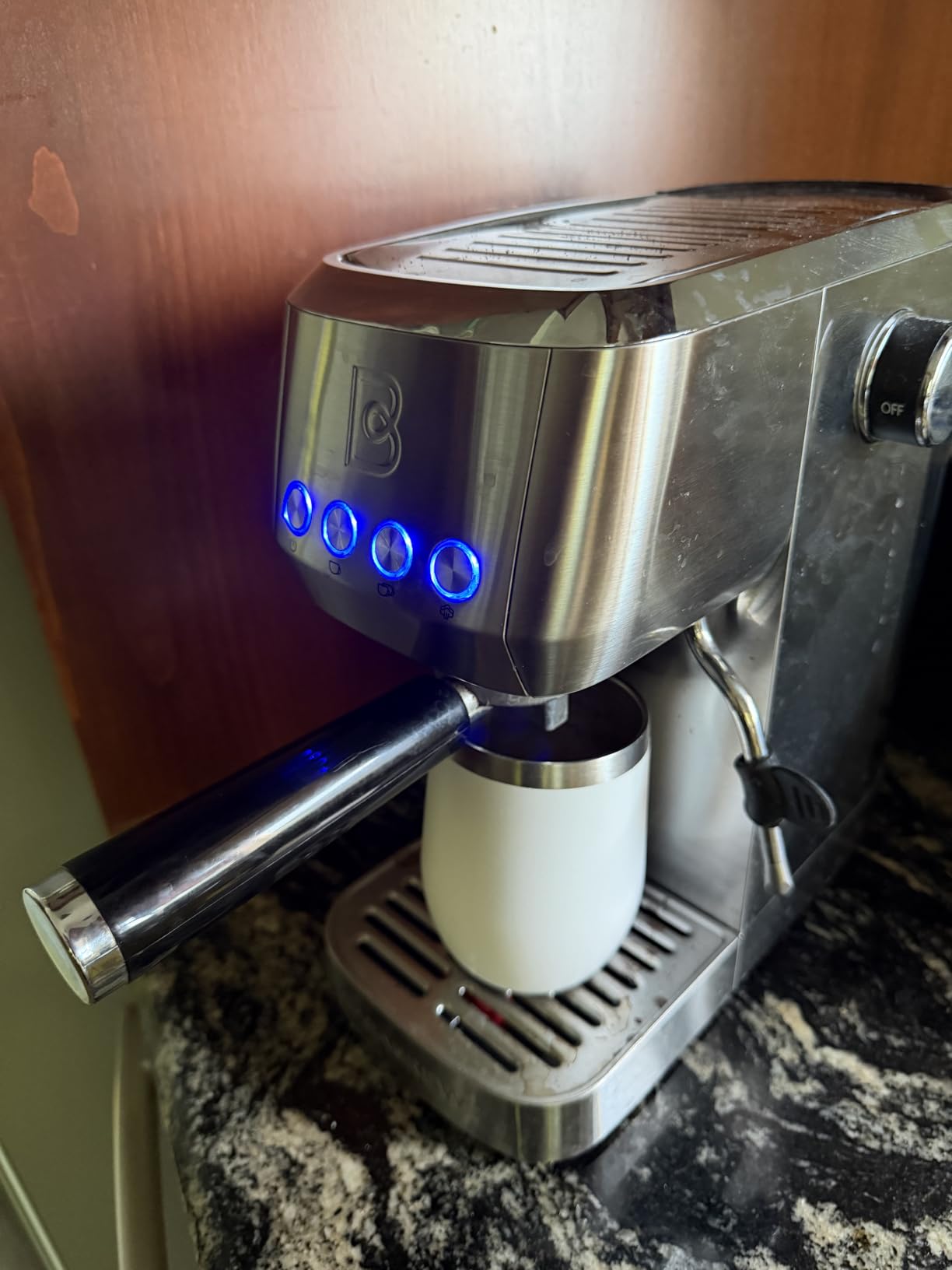
The single boiler is the structural limit. You pause when switching between brewing and steaming, the wand has a continuous run limit before it needs to recover, and the steam dial has a reputation for drifting out of position on some units. Reviewers who make heavy milk drinks find this frustrating specifically for back-to-back drinks. Extraction can also be inconsistent, and very fine espresso grinds will choke it.
Can a budget single boiler keep up with two drinkers?
For two people making one drink each in the morning, yes, if you sequence it properly. Brew both shots first, then steam both pitchers of milk.
For a household making four or more milk drinks back to back, no. That is a dual boiler use case, and this machine is not built for it.
What do you add on day one?
A burr grinder, a real tamper, and a stainless milk pitcher. That trio, not the machine, is where the improvement shows up on this model.
Keep the grind a touch coarser than you think you need, since fine grinds choke the basket. Reviewers who report choking almost always came from a setting calibrated for a commercial machine.
12. Mr. Coffee 4-Shot: The Best Machine for Multi-Drink Mornings
Mr. Coffee 4-Shot Steam Espresso Cappuccino and Latte Maker with Stainless Steel Frothing Pitcher
1200W
Four-shot portafilter
Included steel pitcher
1.3 lb body
Pros
- Brews up to four shots at once
- Stainless pitcher included in the box
- Marked water pitcher aids consistency
- Simple buttons
- Very low cost entry
Cons
- No pressure gauge or temperature control
- Steam frothing takes practice to master
- Lightweight construction
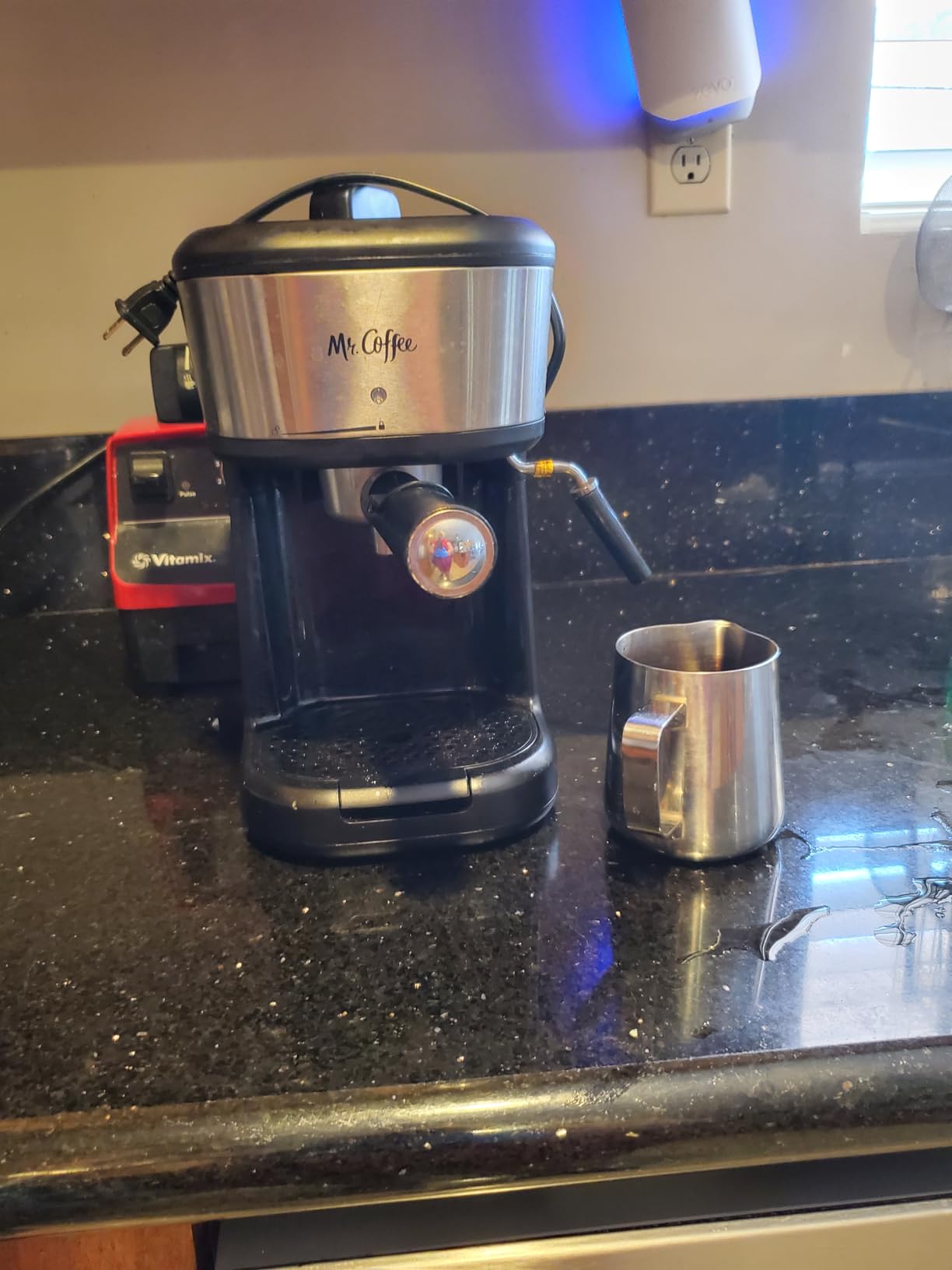
This is the machine to buy if the whole point is making a group of milk drinks without waiting one at a time. The extra-large portafilter brews up to four shots at a time, which no other machine here does, and the box includes a stainless steel frothing pitcher and a marked water pitcher that reviewers consistently single out as the most useful accessories at this tier.
It operates on steam rather than a dedicated pump boiler, and the result is a dark, rich espresso with a heavier, older-school profile than the pump machines above. Button operation is as simple as it gets, with no learning curve on the interface. At 1.3 pounds it is also the easiest machine here to move, store or take to an office kitchen.
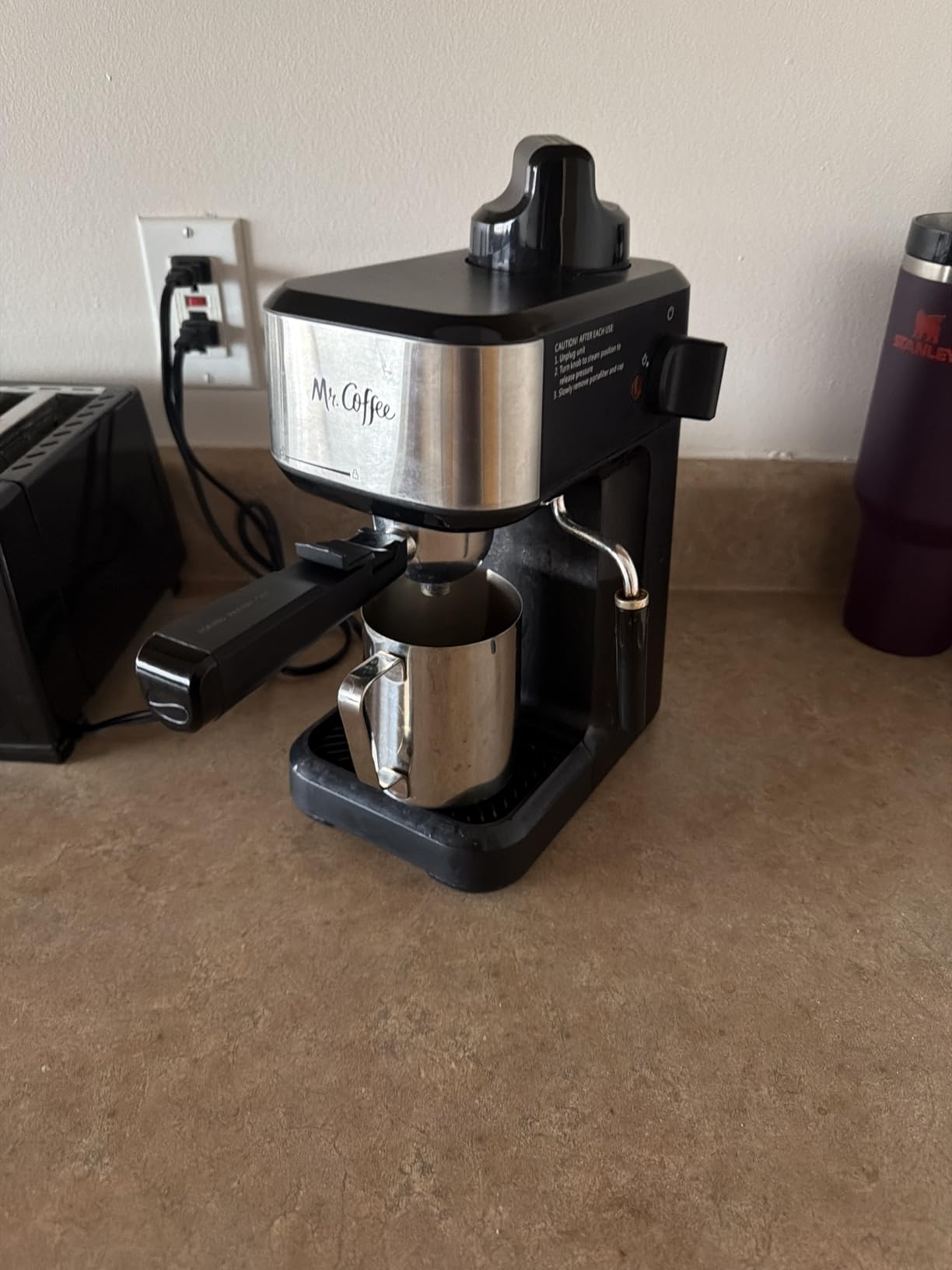
There is no pressure gauge and no temperature control, which means the shots are not adjustable beyond grind and dose. Steam frothing takes practice to avoid burning milk, and reviewers treat that as the main learning curve rather than a fault. The small water pitcher needs frequent refilling on a full four-shot round.
When is a four-shot portafilter worth it?
When two or more people want lattes at the same time. That batch capability is the entire reason to choose this machine, and nothing else here offers it.
For one or two people, a pump machine like the CASABREWS 3700 will pull a more consistent shot for not much more.
How long should you expect it to last?
Treat it as a starter rather than a long-term investment. Lightweight construction and no temperature regulation mean it will always be the least consistent cup in the room.
It is still an honest answer to a real need, and the included pitcher and marked water pitcher mean you are not immediately spending money on accessories to make the thing usable.
How to Choose an Espresso Machine for Lattes
A steam wand or an automatic frother: decide this first
Everything else in this guide is downstream of that one choice. A manual steam wand gives you real microfoam and the ability to pour latte art, and it demands a stainless pitcher, some technique, and a rinse immediately after every use. An automatic frother hands you a drink with one button and asks nothing of you, and the foam lands somewhere between latte and cappuccino.
Owners care most about this distinction in practice. On coffee forums, steam wand strength is the recurring proxy for quality, and posters treat superb espresso and latte-art-calibre microfoam as the two thresholds for calling a machine good. If you drink lattes purely for taste and convenience, the Mr. Coffee Cafe Barista or the Philips 3200 Series will serve you well. If you want the cup to feel like a craft, the Breville Barista Express or the Gevi ECMG0 is the right purchase.
What separates a true latte from a faux latte
A true latte is espresso plus steamed milk. A faux latte is concentrated drip coffee or pod coffee with milk and foam. Many machines marketed as latte makers fall into the second group, and the difference is not subtle once you compare them.
Espresso is defined by pressure, roughly nine bars, and by a 25 to 30 second extraction. The bar ratings printed on budget machines are a pump maximum, not what reaches the puck, and a machine showing twenty bar can still pull an underseasoned shot. If the packaging leads with foam volume rather than brew pressure and dose, treat the drink as a milky coffee and adjust your expectations accordingly.
Do you need a separate grinder?
Yes, unless the machine has a built-in burr grinder. The Breville Barista Express, the Barista Pro, the Philips 3200 Series, the Ninja Luxe Cafe Premier and the De’Longhi Magnifica Evo grind beans internally. Every manual machine here takes ground coffee only, which makes a burr grinder a required companion purchase rather than an upgrade.
This is the hidden cost most roundups skip. Buying a budget semi-automatic and skipping the grinder is why so many first machines produce disappointing shots, and it is why we keep pointing people toward our burr grinder picks before they commit. Shops that need a machine that works for everyone without any setup are better served by a super-automatic, which is covered in our office super-automatic guide.
Do you need a dual boiler for back-to-back drinks?
Only if you make more than one milk drink at a time, which most households do on weekend mornings and few do on weekdays. A dual boiler runs brew water and steam water separately, so you can pull a shot while milk steams and then pull the next shot immediately.
Every compact machine in this roundup has a single boiler, and all of them require a short pause between steaming and brewing. The CASABREWS models, the Gevi and the De’Longhi Stilosa all describe that cooldown as the main limitation in owner reviews. If your household makes four or more milk drinks before leaving the house, plan for that wait or move up a category.
Which milk type changes your choice?
Dairy is the easiest to texturize and gives you the most forgiving window for temperature. Oat and soy foam well with modern manual wands but need slightly more attention with automatic carafes, where density can be hard to tune. Almond is the least stable and the most likely to separate in a long steam, particularly with an older steam wand.
Super-automatic milk systems are more consistent with plant milks because the cycle is fixed, which is an argument for the Philips 3200 Series if you rotate milks. Manual wand users get better results with dairy and oat, and should expect to experiment with the rest.
How do you keep the milk system from going sour?
Purge the wand immediately after every use, before the milk proteins set. That single habit prevents most of the smell people complain about. For automatic carafes, rinse the milk circuit after each drink and run the cleaning cycle daily rather than weekly.
For a deeper clean, a sanitizing solution used at the interval the carafe manufacturer specifies is more reliable than a white vinegar soak, which leaves a smell in plastic tubing. Nobody wants to sanitize on Sunday night, so choose the machine with the simplest milk system your tolerance level allows. The tubeless Philips design exists precisely for this reason.
Frequently Asked Questions
Which coffee machine is best for making lattes?
For most households the Breville Barista Express is the best choice, because it combines a steam wand strong enough for real microfoam with a built-in grinder and PID temperature control. If you want no decisions at all, the Mr. Coffee Cafe Barista makes a latte from one button press, and the Philips 3200 Series adds a tubeless milk system that cleans in seconds.
Is DeLonghi or Breville better?
Breville is better if you want a built-in grinder, manual control over grind and dose, and a steam wand capable of latte art, which is why the Barista Express leads this roundup. De’Longhi is better if you want one-touch drinks with reliable automatic foam, since its LatteCrema and LatteGo systems are broadly recommended in owner forums for that job.
Which espresso machine has the best steam wand?
Among these picks the Gevi ECMG0 produced the fastest, tightest microfoam in a compact body, and the Breville Barista Pro has a wand with noticeably more flow in a machine that also has a built-in grinder. The Barista Express balances wand power against overall control. Any of these three will texture milk properly once you learn the pitcher technique.
How to get microfoam when steaming milk?
Fill the pitcher to just below the narrow part, purge the wand, then place the tip just under the surface and hold steam on until the milk reaches roughly 140 to 160F and starts stretching. Drop the wand slightly deeper to create a rolling whirlpool. Stop when the pitcher feels too hot to hold, and wipe and purge the wand immediately.
What is a good mini espresso machine with a steam wand?
The CASABREWS CM5418 is the narrowest of these picks at 5.47 inches wide, with a 20-bar pump, a pressure gauge and a steam wand that makes creamy foam quickly. The De’Longhi Stilosa is cheaper and equally small, with a stainless boiler, though it has no pressure gauge. Both take ground coffee, so plan on a burr grinder.
What espresso machine makes the best lattes?
The best latte comes from a machine with a manual steam wand and a built-in grinder, which points to the Breville Barista Express as our overall pick. It pulls consistent PID-controlled shots and textures milk fast enough for microfoam and latte art. If you never want to practice technique, the Mr. Coffee Cafe Barista gets you a drinkable latte with one button instead.
Our Final Verdict
After six weeks with twelve machines, the Breville Barista Express is still the espresso machine we would buy for lattes first. It is the only machine here that gives you a proper built-in grinder, stable PID-controlled temperature and a steam wand with enough authority for microfoam, without any of them feeling like a compromise.
Buy the Philips 3200 Series if you want one touch and minimal cleanup. Buy the Gevi ECMG0 or the CASABREWS CM5418 if counter space is tight. Buy the De’Longhi Stilosa if you want the machine most likely to still be running in five years.
Three questions settle it: do you want a steam wand or a one-touch button, are you buying a built-in grinder or adding your own, and how many milk drinks do you make before anyone leaves the house in the morning? Answer those honestly and the right machine on this list becomes obvious. For more setups, our budget espresso guide and home office picks go deeper on two narrower versions of the same question.