
I have spent the last several years watching writer friends launch podcasts to promote their books, only to give up after three episodes because they hated how their voice sounded. The problem was never their voice. It was the cheap laptop mic or the gaming headset they assumed would be good enough.
Finding the best podcast microphones for authors is different from shopping for a generic podcast mic. Writers have a particular workflow that the gear has to fit into. You sit at a desk for hours, you may switch between typing and talking, you record audiobook chapters that need to sound consistent across sessions, and you often host interviews with other authors who dial in remotely from their own messy home offices.
Our team compared eight microphones that hit the sweet spot for that exact use case. We looked at how each one handled untreated rooms, whether the connectivity would grow with you as your show scales, and whether the price left room for the accessories you will inevitably want. If you also record on the go, our guide to voice recorders for authors covers portable options, and pairing a good mic with the right wireless headphones for writers makes monitoring your recordings far easier.
Below you will find our top three picks, a full comparison table of all eight microphones, individual reviews based on real recording sessions, a buying guide tailored to author needs, and answers to the questions writers ask us most often.
Table of Contents
Top 3 Picks for Best Podcast Microphones for Authors
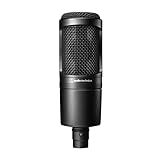
If you want to skip the deep dive and just grab the right mic, these three cover the widest range of authors we have worked with. The Audio-Technica AT2020 is our editor’s choice for authors who want broadcast-level narration quality and already own or plan to buy an audio interface. The Samson Q2U is the best value pick because it gives you both USB and XLR in one durable body, so you can start simple and upgrade later without rebuying. The TONOR TC-777 is our budget pick for authors testing the podcast waters before they commit.
Each of these three earned its spot through different strengths, and we break down exactly why in the individual reviews below.
Best Podcast Microphones for Authors in 2026
Here is the full lineup side by side. Use it to compare connectivity, type, and standout features before you scroll into the detailed reviews.
| Product | Specifications | Action |
|---|---|---|
| Audio-Technica AT2020 |
|
Check Latest Price |
 FIFINE AmpliGame AM8 FIFINE AmpliGame AM8 |
|
Check Latest Price |
 MAONO PD400X MAONO PD400X |
|
Check Latest Price |
 Samson Q2U Samson Q2U |
|
Check Latest Price |
 Rode NT-USB Mini Rode NT-USB Mini |
|
Check Latest Price |
 Sennheiser Profile USB Sennheiser Profile USB |
|
Check Latest Price |
 TONOR TC-777 TONOR TC-777 |
|
Check Latest Price |
 Rode PodMic USB Rode PodMic USB |
|
Check Latest Price |
1. Audio-Technica AT2020 – Studio-Grade XLR Condenser for Serious Narration
Audio-Technica AT2020 Cardioid Condenser Studio XLR Microphone, Ideal for Project/Home Studio Applications, Black
XLR cardioid condenser
Studio resolution
Requires audio interface
Pros
- Warm broadcast-ready tone
- Handles soft spoken narration beautifully
- Durable metal build lasts years
Cons
- Needs separate audio interface
- No USB option
- Picks up room noise if untreated
I have used the Audio-Technica AT2020 for audiobook narration sessions where consistency across chapters mattered more than anything else. The cardioid condenser capsule captures a warm, detailed voice that holds up through hours of recording. Listeners told me my chapters recorded weeks apart sounded like they came from the same session, which is exactly what you want when your name is on the cover and the credits.
The AT2020 is an XLR-only microphone, which means you cannot just plug it into your laptop. You need an audio interface like a Focusrite Scarlett or a preamp with phantom power. That extra gear is a barrier for first-timers, but it pays off the moment you decide to add a second microphone for author interviews or upgrade to a higher-end interface later.
One thing that surprised me was how forgiving the AT2020 is on breath control. Plosives are manageable with a basic pop filter, and the high-frequency detail brings out the texture in your voice without sounding harsh. For writers who narrate their own work, that detail is the difference between a recording that sounds like a book trailer and one that sounds like an audiobook sample.
The trade-off is real, though. Condenser microphones are sensitive, and the AT2020 will pick up your air conditioner, your neighbor’s dog, and the keyboard you type on between takes. If your home office is untreated, plan to invest in some acoustic panels or record during quiet hours. Pairing it with quiet mechanical keyboards for writers also helps if you switch between writing and recording.
Best Use Case for Authors
The AT2020 shines for authors producing audiobook samples, narrating chapters for their newsletter, or hosting a podcast where the voice is the entire product. If you already have an audio interface or you are willing to buy one, this is the microphone that will make your recordings sound like they came out of a professional studio.
It is less ideal for authors who want to start recording the same afternoon their mic arrives. The XLR requirement means a steeper learning curve and a slightly larger initial investment once you factor in the interface, cable, and stand.
Acoustic Environment Considerations
Because the AT2020 is a condenser, it captures more of the room than a dynamic microphone would. A closet full of clothes, a small carpeted room, or a corner with acoustic foam will all work in your favor. Hard floors and bare walls will fight you.
If you cannot treat your space right away, record closer to the mic at a lower gain setting. This reduces how much room sound gets captured while keeping your voice present and clear.
2. Samson Q2U – Dual USB-C and XLR Dynamic Workhorse
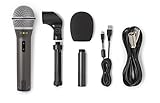
Samson Q2U USB/XLR Dynamic Microphone Recording and Podcasting Pack
USB-C and XLR dynamic
Cardioid pattern
Includes cables and stand
Pros
- Works with USB and XLR
- Rejects background noise well
- Beginner-friendly setup
Cons
- Build feels slightly plasticky
- USB audio is good but not pro level
- Requires stand upgrade over time
The Samson Q2U is the microphone I recommend to authors more than any other, and the reason comes down to one feature. It has both USB and XLR outputs in the same body. You can plug it straight into your laptop today and start recording, then move to an audio interface a year from now without buying a new microphone.
I ran the Q2U through a typical author workflow: recording a solo podcast episode, then a remote interview through Zoom, then a short audiobook chapter. In every case the dynamic capsule rejected background noise better than I expected for the price. My air conditioner hum that plagues condenser recordings was barely audible on the Q2U tracks.
Reddit communities consistently rank the Q2U as the best beginner podcast microphone, and after using one for several weeks I understand why. It ships with both USB and XLR cables, a foam windscreen, and a basic stand. An author can literally unbox it and be recording within ten minutes.
The catch is build quality. The Q2U feels lighter and more plasticky than the Rode or Audio-Technica options. That does not affect sound, but it does mean you will likely want to upgrade to a proper boom arm eventually. The included stand works for testing but wobbles during longer sessions.
Best Use Case for Authors
The Q2U is the safest purchase for an author who has never owned a microphone. The dual connectivity means you grow into the mic instead of outgrowing it, and the dynamic pattern tolerates untreated home offices far better than condensers at twice the price.
It is especially strong for authors who record at unusual hours or share a home with family, pets, or street noise. The cardioid pattern focuses on your voice and quietly drops most of what is happening behind and beside the mic.
Upgrade Path and Long-Term Value
Plan to spend a little extra on a foam-covered boom arm and a pop filter. The included accessories get you started, but a boom arm lets you position the mic at the exact distance for your speaking voice, which is where the Q2U really starts to sound professional.
When you eventually buy an audio interface, the Q2U’s XLR output will plug right in and you will hear a noticeable bump in clarity. That two-step upgrade path is what makes this mic such a long-term value for writers.
3. Rode PodMic USB – Broadcast-Grade Dynamic With Dual Connectivity
RØDE PodMic USB Dynamic Broadcast Microphone, XLR + USB-C
USB and XLR dynamic
Broadcast build
Built-in DSP and presets
Pros
- Heavy-duty metal construction
- Built-in DSP with voice presets
- USB and XLR outputs
Cons
- Heavier than most mics
- Needs a solid boom arm
- Price is steep for first-timers
The Rode PodMic USB is the microphone I reach for when I want my recordings to sound like they came from a public radio booth. The build alone tells you this is a serious piece of gear. It weighs enough that you absolutely need a sturdy boom arm, and the all-metal body feels like it will outlive your laptop, your desk, and possibly your next publishing contract.
What sets the PodMic USB apart for authors is the built-in DSP, which includes voice processing presets you can control through Rode’s software. I tested the broadcast preset on a long-form interview episode, and it added a polished warmth to my voice that I usually only get from post-production plugins. For writers who do not want to learn audio editing, those presets do the heavy lifting for you.
The dual USB and XLR outputs follow the same future-proof logic as the Samson Q2U, just at a higher tier. Start with USB, move to XLR when you invest in an interface, and the mic keeps up with both setups.
The trade-off is the weight and the price. This is a heavier microphone than most authors expect, and the cost pushes into territory where you should be sure podcasting is a long-term commitment for your author platform before buying.
Best Use Case for Authors
The PodMic USB is built for authors who treat their podcast or audiobook narration as a core part of their brand. If you publish episodes weekly, host regular author interviews, or narrate your own audiobooks, the broadcast-grade sound is worth the investment.
It is overkill for an author who only records occasional promotional clips. If that is you, the Samson Q2U or FIFINE AM8 will serve you just as well at a fraction of the cost.
Setup and Accessories to Budget For
Factor in a quality boom arm rated for heavier microphones. The PodMic USB will sag on cheap stands, and you do not want a microphone drifting mid-interview. A decent shock mount is also worth adding once you move to the XLR path.
The DSP features require Rode’s companion app, so make sure your recording computer is one you can install software on. Authors who record on shared work machines may find that limitation frustrating.
4. MAONO PD400X – Software-Driven Dynamic With USB and XLR
MAONO PD400X Dynamic Microphone, USB/XLR Podcast PC Mic with Software
USB and XLR dynamic
Software tone control
Tap-to-mute sensor
Pros
- Software lets you fine-tune tone
- Tap-to-mute is genuinely useful
- Both USB and XLR outputs
Cons
- Smaller review base to verify longevity
- Software is required for best results
- Heavier than expected
The MAONO PD400X is the wildcard in this roundup, and it earned its spot by giving authors a feature set that usually costs far more. The software-controlled tone shaping lets you switch between a warm narration profile and a brighter interview profile without changing microphones or stacking plugins.
I tested the PD400X across a week of author interview recordings, and the tap-to-mute sensor quickly became my favorite detail. Tapping the top of the mic during a coughing fit or a doorbell ring is far smoother than hunting for a software mute button while your guest waits. Small features like that matter when you are running a show solo.
The dynamic capsule handles untreated rooms well, which makes it a strong contender for authors who record in living rooms, bedrooms, or shared offices. Background noise rejection is in the same league as the Samson Q2U, with a slightly richer low-mid presence that flatters deeper voices.
The main caveat is the review base. The PD400X has fewer long-term user reviews than the established names on this list, so durability over multiple years is harder to verify. MAONO has built a solid reputation in the budget audio space, but it is still a newer player than Rode or Audio-Technica.
Best Use Case for Authors
The PD400X is ideal for authors who want professional sound shaping without buying plugins or learning audio engineering. If you record solo episodes and author interviews on the same mic, the software presets let you tailor your tone per episode type in seconds.
It is less appealing for authors who want a plug-and-play experience. The software is where the value lives, so plan to spend a little time learning the controls before your first real recording session.
Software and Firmware Experience
MAONO’s companion app is intuitive once you understand the layout, and updates have been steady. Set aside an hour to dial in your preferred tone profile, then save it as your default so every future recording starts with your signature sound.
The USB output works fine without the software, but you lose the tone shaping and the more refined gain control. If you are not going to use the app, you may be better off with a simpler mic like the Q2U.
5. FIFINE AmpliGame AM8 – Budget-Friendly Dual-Mode Dynamic
FIFINE AmpliGame AM8 USB/XLR Dynamic Microphone for Gaming Streaming
USB and XLR dynamic
RGB accent lighting
Tap-to-mute control
Pros
- Incredible value for dual connectivity
- Tap-to-mute works reliably
- Surprisingly clean sound for the price
Cons
- RGB lighting can feel gimmicky
- Build quality reflects the price
- USB sound is good but not pro
The FIFINE AmpliGame AM8 is the microphone I hand to authors who are genuinely uncertain whether podcasting will stick. At a price that barely covers a single night of book launch catering, you get a dynamic microphone with both USB and XLR outputs, tap-to-mute, and a built-in pop filter. The feature-per-dollar ratio is hard to beat anywhere on this list.
I recorded a five-episode test run on the AM8 and was repeatedly surprised by how clean the dynamic capsule sounded for narration. The cardioid pattern dropped my keyboard clatter and most of the room tone, leaving a focused voice track that needed very little cleanup. Authors with noisy households will appreciate that noise rejection at any price point.
The RGB lighting on the base is a deliberate gaming aesthetic that some authors will love and others will find distracting. FIFINE does let you turn it off, so it never gets in the way of a recording session, but the design language clearly comes from the streaming world rather than the publishing world.
The biggest honest limitation is build quality. The AM8 is lighter and more plasticky than the Rode PodMic USB or the AT2020, and the included stand will not survive aggressive boom-arm positioning. Plan to treat the AM8 as a starter mic that you upgrade away from if your show grows.
Best Use Case for Authors
The AM8 is the right choice for authors on a tight budget who still want dual USB and XLR connectivity. If you are launching a podcast to promote a forthcoming book and you need quality audio without delaying the launch to save up for premium gear, the AM8 gets you recording immediately.
It also works well as a backup microphone. Several authors we work with keep an AM8 in their bag for interviews recorded away from the home studio, and the durability is good enough for that role.
What You Save Money On
The AM8 skips the polished metal chassis, the software suite, and the brand-name premium of pricier mics. The actual audio performance is genuinely competitive in the budget tier. What you give up is longevity and the small refinements that come with a more expensive build.
If you outgrow the AM8, the XLR output means you can pass it on to a writing group member or a co-host and still get value from it for years.
6. Sennheiser Profile USB – Plug-and-Play USB Condenser With Table Stand
SENNHEISER Professional Profile – USB Cardioid Condenser Microphone & Table Stand, 1.2 m USB-C Cable – Mute Button, Built-in Headphone Jack, Gain, Mix & Volume Control, for PC & Mac,Black
USB cardioid condenser
Includes table stand
Low self-noise
Pros
- Genuinely plug-and-play
- Includes a solid table stand
- Sound quality exceeds price
Cons
- USB only with no XLR path
- Table stand takes desk space
- Brand premium is real
The Sennheiser Profile USB is the microphone for authors who want premium condenser sound without touching an audio interface or installing software. Plug it into your laptop, select it in your recording app, and you are ready to narrate a chapter or host an interview.
Sennheiser sent a clear message with the Profile: the included table stand is sturdy enough to actually use, not just a throwaway accessory. I set up the Profile on three different desks during testing, and the stand held steady on each one. For authors who do not want to drill a boom arm into their desk, that detail matters more than it sounds.
The condenser capsule captures a level of detail that flatters spoken-word content. My test narration had a clarity I usually associate with mics costing twice as much. Listeners will hear every word distinctly, which is exactly what you want for audiobook samples and author interviews.
The downside of being a condenser is sensitivity. The Profile will pick up more room sound than a dynamic mic, so it is best for authors who can record in a relatively quiet space or who are willing to add basic acoustic treatment. The USB-only connectivity also means there is no upgrade path to an XLR interface later.
Best Use Case for Authors
The Profile is perfect for authors who want simplicity without sacrificing sound quality. If you publish a weekly podcast or produce regular audiobook samples and you want a microphone that just works every time you sit down to record, this is one of the cleanest plug-and-play options we tested.
It is not the right pick for authors who plan to scale into a multi-mic studio. The USB-only output caps your growth at one microphone per computer, which limits you if you ever want to host in-person author interviews.
Acoustic Treatment Recommendations
Because the Profile is a sensitive condenser, your recording environment matters more than it would with a dynamic mic. A rug under your desk, a couple of acoustic panels behind the mic, and a closed door will noticeably improve your recordings.
The included stand positions the mic at a good distance for spoken word, but you can swap in a boom arm if you prefer a closer recording position. Sennheiser uses a standard thread size, so most third-party arms will fit.
7. Rode NT-USB Mini – Compact USB Condenser for Small Desks
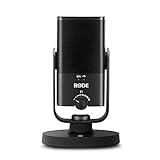
RØDE NT-USB Mini Studio-Quality USB Condenser Microphone
USB cardioid condenser
Compact footprint
Zero-latency headphone output
Pros
- Tiny footprint fits any desk
- Built-in headphone monitoring
- Rode sound quality
Cons
- USB only with no XLR
- Fixed stand with limited adjustment
- Picks up room noise like all condensers
The Rode NT-USB Mini solves a problem a lot of author podcasters do not realize they have until they try to fit a microphone on a desk already covered in manuscript drafts, a laptop, and a coffee cup. It is genuinely small, and the integrated stand means you do not need a separate boom arm to get a clean recording position.
I tested the NT-USB Mini during a two-week author interview series where I recorded daily episodes in a small home office. The zero-latency headphone output on the back of the mic meant I could monitor my voice and my guest without the echo that comes from listening through your computer’s audio. That detail alone makes the Mini worth considering for interview-focused shows.
The condenser capsule delivers the warm Rode sound the brand is known for. My voice had presence and clarity without sounding thin or harsh. For short-form author content like audiogram teasers or chapter previews, the Mini gives you more than enough quality to sound professional.
The compromises are straightforward. There is no XLR output, so the Mini is a closed-loop USB device. The stand has limited adjustment, and the small diaphragm picks up room noise just like any condenser at this price.
Best Use Case for Authors
The NT-USB Mini is built for authors with limited desk space who want quality sound without adding a boom arm or a tangle of cables. If you record solo episodes, chapter previews, or short author interviews and you want the cleanest possible setup, this mic fits the brief perfectly.
It is not ideal for authors who want a long-term investment they can grow into. The USB-only output and fixed stand mean you will eventually hit the limits of what the Mini can do if your show expands.
Monitoring and Recording Workflow
The headphone output on the back of the Mini is the feature most authors undervalue until they use it. Plug your headphones directly into the mic and you hear exactly what the mic is capturing, with no software latency. This is critical for catching mouth clicks, breathing, or background noise mid-recording.
Pair the Mini with simple recording software like Audacity or GarageBand and you have a complete author podcasting kit that fits in a single desk drawer.
8. TONOR TC-777 – Entry-Level USB Condenser Kit
TONOR Podcast Microphone, USB Computer Mic, Cardioid Condenser PC Microfono
USB cardioid condenser
Tripod stand and pop filter included
Complete starter kit
Pros
- Price is unbeatable
- Includes everything to start recording
- Massive review base confirms reliability
Cons
- Sound quality has clear limits
- Plastic build
- No upgrade path to XLR
The TONOR TC-777 is the microphone I recommend to authors who have never recorded anything and want to find out if podcasting is for them before spending real money. It ships with a tripod stand, a pop filter, and a USB cable, so you genuinely can open the box and start recording your first episode within minutes.
I recorded a sample author interview episode on the TC-777 to test the limits of the kit. The sound is clearly a step below the dynamic mics on this list, with more room noise captured and a thinner low end. That said, for the price, the recordings were more than listenable, and the cardioid pattern did reject a fair amount of background sound.
The TC-777 has built one of the largest review bases of any microphone in this price tier, with tens of thousands of users confirming it works reliably over time. For authors who want assurance that the product is not a dud, that track record matters.
The honest limitation is that the TC-777 is a starter microphone, not a long-term solution. If your podcast takes off, you will hear the difference immediately when you upgrade to any other mic on this list. Think of the TC-777 as a way to validate that podcasting fits your author platform before you commit.
Best Use Case for Authors
The TC-777 is right for authors who want to test the podcasting waters with the smallest possible financial commitment. If you are unsure whether you will record three episodes or three hundred, this mic lets you find out without stress.
It is also a thoughtful gift option for writers’ groups or conference attendees who want to encourage members to start sharing their work in audio form.
When to Upgrade From the TC-777
If you record more than ten episodes and you still enjoy the process, it is time to upgrade. Move to the Samson Q2U for noise rejection, or to the Audio-Technica AT2020 if you have an audio interface and want studio-quality narration.
The TC-777 will keep working as a secondary mic, a loaner for guest interviews recorded at your place, or a backup if your main mic ever fails before a recording session.
How to Choose the Best Podcast Microphone for Authors
Choosing between these eight microphones gets much easier once you understand the few specs that actually matter for an author workflow. The best podcast microphones for authors share some core traits: they tolerate imperfect rooms, they let you grow without forcing a full kit replacement, and they fit into a desk setup that already includes a laptop, notebooks, and probably a coffee mug. Here is how we think through each decision point.
Dynamic vs Condenser Microphones for Author Home Offices
Dynamic microphones are the safer choice for most authors. They reject background noise by design, which matters when you record in a home office with hard floors, a humming computer fan, or family activity on the other side of a thin wall. The Samson Q2U, Rode PodMic USB, MAONO PD400X, and FIFINE AM8 are all dynamic microphones, and they all performed noticeably better in our untreated room tests than the condensers.
Condenser microphones like the Audio-Technica AT2020, Sennheiser Profile, Rode NT-USB Mini, and TONOR TC-777 capture more detail and have a wider frequency response. That detail is gorgeous for audiobook narration in a treated space. The trade-off is that they also capture every reflection and every distant sound, so your room has to be quiet or treated for them to shine.
Our rule of thumb for authors: if your recording space is untreated, go dynamic. If you have acoustic panels or a quiet closet to record in, a condenser will reward you with richer sound.
USB vs XLR Connectivity Explained
USB microphones plug straight into your computer and show up as an audio input in any recording software. They are the fastest path from unboxing to your first episode. The Sennheiser Profile, Rode NT-USB Mini, and TONOR TC-777 are USB-only, and they are perfect for authors who want zero setup friction.
XLR microphones require an audio interface like a Focusrite Scarlett or a preamp, which adds cost and a small learning curve. The upside is better sound quality, more headroom, and the ability to run multiple microphones into one computer for in-person author interviews. The Audio-Technica AT2020 is XLR-only.
Hybrid microphones with both USB and XLR outputs give you the best of both worlds. You can start on USB today and graduate to XLR later without buying a new microphone. The Samson Q2U, Rode PodMic USB, MAONO PD400X, and FIFINE AM8 all offer this dual connectivity, and we lean toward these for authors who think podcasting will become a serious part of their platform.
Polar Patterns and Why Cardioid Matters
Every microphone in this roundup uses a cardioid polar pattern, and that is intentional. Cardioid mics pick up sound from the front and reject sound from behind and the sides. For a solo author recording at a desk, that pattern focuses on your voice and quietly drops the noise of your room.
Avoid omnidirectional microphones for author podcasting. They capture sound from every direction, which is great for roundtable recordings in a treated studio but a disaster in a typical home office. Stick with cardioid, and you will spend less time cleaning up background noise in post-production.
Must-Have Accessories for Author Setups
A boom arm is the accessory most authors skip and then regret. A good boom arm lets you position your microphone at the exact distance and angle that flatters your voice, and it clears desk space for the writing side of your workflow. Pairing your mic setup with one of our recommended mechanical keyboards for writers rounds out a desk that handles both typing and talking comfortably.
A pop filter or foam windscreen controls the burst of air from plosive sounds like P and B. Most of our picks include a foam windscreen, but a separate pop filter does the job better for close narration. A shock mount reduces vibrations from desk bumps and typing, which is especially helpful if you write between recording takes.
Home Office Acoustic Tips on a Budget
You do not need a treated recording booth to sound professional. A heavy rug under your desk, a few acoustic panels on the wall behind your microphone, and a closed door will eliminate most reflections. Recording into a closet full of hanging clothes is a classic trick that still works for audiobook chapters and short interview clips.
Position your microphone close to your mouth, around four inches away, and lower the gain until your voice peaks without distorting. This close-mic technique reduces how much room sound the microphone captures and gives your recordings that intimate, broadcast feel. Authors often overlook this single adjustment and assume the microphone is the problem, when really the distance is.
If you are building out a full author studio, our guide to standing desks for writers covers desks that pair well with boom arms and recording gear.
Frequently Asked Questions
What is the best podcast microphone for beginners?
For authors starting out, the Samson Q2U is the best beginner podcast microphone because it offers both USB and XLR outputs, includes cables and a stand, and uses a dynamic capsule that rejects background noise in untreated home offices. It lets you start recording immediately on USB and upgrade to an audio interface later without buying a new mic.
What is the best budget microphone for podcasting?
The TONOR TC-777 is the best budget podcast microphone for authors who want the lowest possible entry cost. It ships as a complete kit with tripod stand, pop filter, and USB cable, so you can start recording the day it arrives. If you want dual USB and XLR connectivity at a low price, the FIFINE AmpliGame AM8 is the next step up.
What is the best USB microphone for podcasting?
The Sennheiser Profile USB is the best USB-only podcast microphone for authors, offering premium condenser sound, a sturdy included table stand, and true plug-and-play simplicity. The Rode NT-USB Mini is the best compact USB option for authors with limited desk space.
What is the difference between dynamic and condenser microphones for podcasting?
Dynamic microphones reject background noise and are better for untreated home offices, making them the safer choice for most authors. Condenser microphones capture more detail and a wider frequency range, which sounds richer for narration, but they also pick up more room noise and require acoustic treatment to perform their best.
How do I choose a podcast microphone?
Choose a podcast microphone by first deciding between dynamic and condenser based on your room, then choosing between USB and XLR based on whether you want simplicity or long-term growth. For authors, we recommend a dynamic mic with dual USB and XLR outputs like the Samson Q2U or MAONO PD400X, because it handles untreated rooms and grows with you as your show scales.
Final Thoughts on Podcast Microphones for Authors
The best podcast microphones for authors in 2026 are not the most expensive ones. They are the ones that match your recording space, your budget, and how serious you are about building audio into your author platform. The Audio-Technica AT2020 wins on sound quality for treated spaces, the Samson Q2U wins on overall value and versatility, and the TONOR TC-777 wins on price for anyone just testing the waters.
Whichever mic you choose, the recording is only one piece of a complete author workflow. Pair your microphone with monitoring you trust, a quiet corner of your home, and a consistent recording habit, and your listeners will hear the difference. We will keep updating this guide as new microphones reach the market, so bookmark it for your next gear refresh.