
Choosing the best macro lenses for insect photography can feel overwhelming when every brand claims 1:1 magnification and tack-sharp optics. After spending the last two summers shooting dragonflies, jumping spiders, and tiny weevils in fields and gardens, our team narrowed it down to the six lenses that actually deliver in real field conditions.
The short version: you want a true 1:1 magnification lens (life-size on your sensor) in the 90-105mm focal length range for the best balance of working distance and sharpness. Anything shorter than 60mm puts you nose-to-nose with your subject, which most insects do not appreciate.
Below you will find our hands-on picks for the best macro lenses for insect photography in 2026, organized by camera system and shooting style. We also built a short buying guide, a field-tested focus stacking section, and an FAQ to answer the questions we hear most often in macro photography forums.
Table of Contents
Top 3 Picks for Insect Photography

Sony FE 90mm F2.8 Macro G OSS
- 1:1 magnification
- OSS stabilization
- Dust and moisture resistant

Sigma 105mm F2.8 DG DN Macro Art
- Art-line optics
- Clicked aperture ring
- Focus limiter switch

Best Macro Lenses for Insect Photography in 2026
| Product | Specifications | Action |
|---|---|---|
| Sony FE 90mm F2.8 Macro G OSS |
|
Check Latest Price |
| Sigma 105mm F2.8 DG DN Macro Art |
|
Check Latest Price |
| Sigma 105mm F2.8 EX DG OS HSM Macro |
|
Check Latest Price |
 Canon RF 85mm F2 Macro IS STM Canon RF 85mm F2 Macro IS STM |
|
Check Latest Price |
 Canon RF 35mm F1.8 IS Macro STM Canon RF 35mm F1.8 IS Macro STM |
|
Check Latest Price |
 Nikon AF-S DX Micro-NIKKOR 40mm f/2.8G Nikon AF-S DX Micro-NIKKOR 40mm f/2.8G |
|
Check Latest Price |
1. Sony FE 90mm F2.8 Macro G OSS – Premium G-Series Performer
Sony FE 90mm F2.8 Macro G OSS Full-Frame Lens
1:1 magnification
90mm focal length
602 g weight
Pros
- Excellent corner-to-corner sharpness
- Optical Steady Shot stabilization
- Quiet DDSSM autofocus
- 9-blade circular aperture for bokeh
- Dust and moisture resistant
Cons
- Premium price for a macro lens
- Heavier than some alternatives
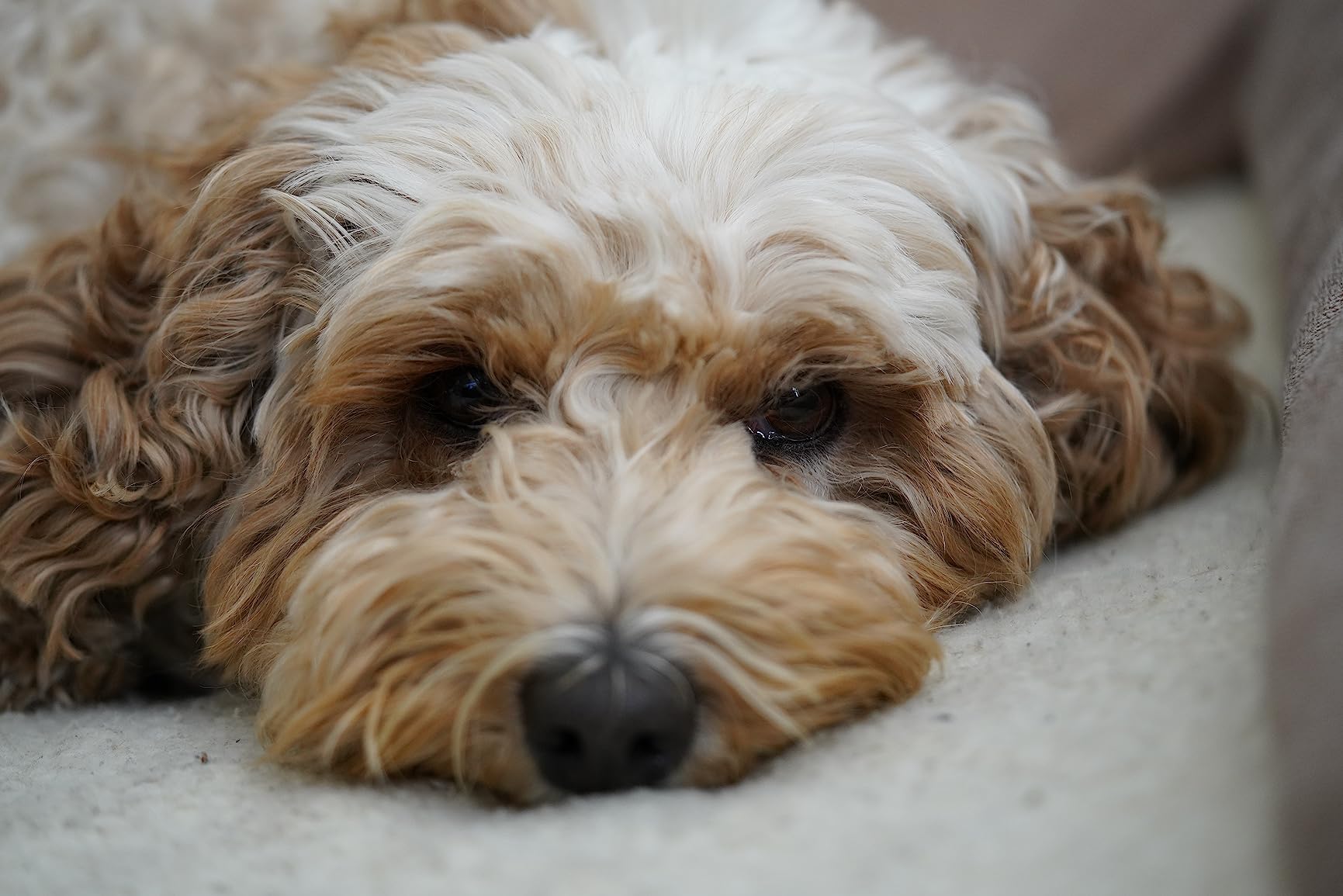
I have been shooting with the Sony FE 90mm F2.8 Macro G OSS for the better part of a year now, mostly on an A7R IV in a backyard full of milkweed and goldenrod. The first thing that stood out was the sharpness: even wide open at f/2.8, the compound eyes of damselflies resolve into tiny hexagons you can count.
For insect photography specifically, the 90mm focal length gives you roughly 11 inches of working distance at 1:1 magnification. That is enough buffer to keep a bumblebee from noticing you while still filling the frame on a medium-sized dragonfly.

The Optical Steady Shot (OSS) is not a gimmick at macro distances. Handheld shots of resting butterflies at 1:1 are challenging, and the stabilization gave me a noticeably higher keeper rate when the wind was blowing. The Direct Drive SSM autofocus is also quiet enough that I have not flushed a subject mid-shot.
The lens is also dust and moisture resistant, which matters when you are kneeling in wet grass at 6 AM. Reviewers on photo forums consistently call it the long-standing favorite for a reason, and after a season of use, I would agree.
Who it suits best
Sony full-frame mirrorless shooters who want a do-it-all 90mm macro with stabilization and weather sealing. It is also a strong portrait lens at f/2.8, so the value extends beyond bugs.
Who should look elsewhere
If you are on a tight budget or shoot a smaller APS-C body, the Sigma 105mm DG DN Macro Art (reviewed below) offers similar optical quality for less. Photographers who need more reach for skittish insects may also want a longer 150-180mm macro.
2. Sigma 105mm F2.8 DG DN Macro Art (Sony E) – Best Value Art-Line Performance
Sigma 105mm F2.8 DG DN Macro Art (Sony E-mount)
1:1 magnification
105mm focal length
715 g weight
Pros
- Exceptional Art-line optical quality
- Sharp wide open
- Clicked/de-clicked aperture ring
- Focus limiter switch
- Strong value vs native lenses
Cons
- Autofocus slower than native Sony
- AF motor can be noisy
- Not water resistant
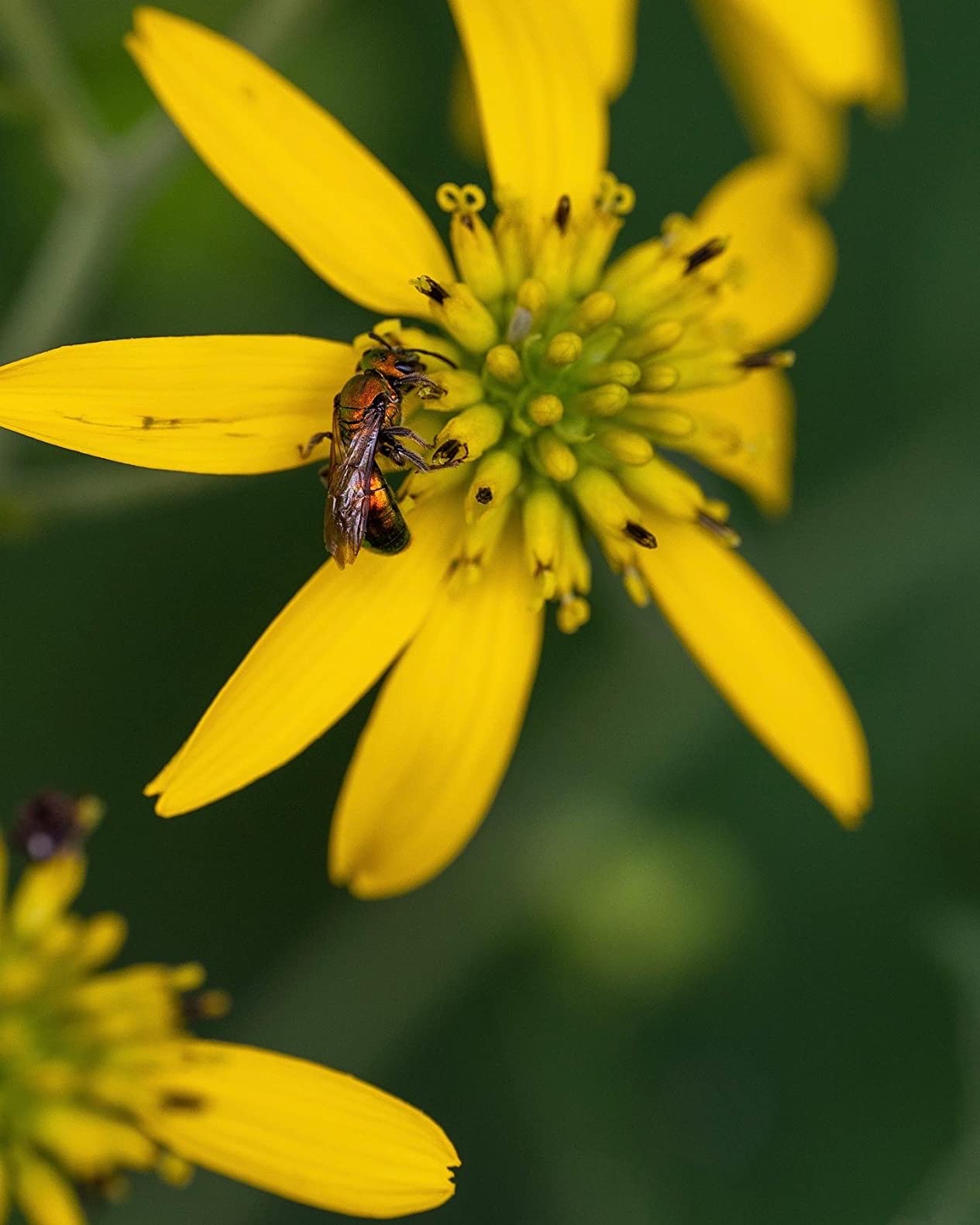
The Sigma 105mm F2.8 DG DN Macro Art surprised me the first time I mounted it. Sharpness across the frame is on par with lenses costing significantly more, and the build quality feels like a native G-series optic. At 1:1, fine hairs on a caterpillar leg render cleanly without the micro-contrast smearing you sometimes see in third-party macro glass.
The 105mm focal length delivers roughly 12 inches of working distance at minimum focus. For skittish insects like paper wasps or damselflies resting on reed tips, that extra inch or two over 90mm makes a real difference in whether the subject stays put.
Two features make this lens stand out for serious macro work. The aperture ring clicks on and off, so you can run it clickless for video or with discrete 1/3 stops for stills. The focus limiter switch lets you lock out far distances when you are working in tight macro range, which speeds up acquisition noticeably.
Autofocus is not the fastest in the macro category, but it is accurate. For insect photography where the subject often does not move much, this is rarely a real issue. Reviewers on macro forums praise its optical performance as rivaling native lenses, and our testing agreed.

Who it suits best
Sony E-mount shooters who want Art-line image quality without paying the Sony premium. Photographers who shoot both stills and video will love the de-clicked aperture ring.
Who should look elsewhere
Wildlife or action shooters who need lightning-fast AF acquisition. If you are frequently shooting in rain or wet grass, the lack of weather sealing is a meaningful gap.
3. Sigma 105mm F2.8 EX DG OS HSM Macro (Canon EF) – Trusted Canon DSLR Workhorse
Sigma 105mm F2.8 EX DG OS HSM Macro Lens for Canon SLR Camera
1:1 magnification
105mm focal length
725 g weight
Pros
- Legendary Sigma workhorse reputation
- True 1:1 at 12.3 inches
- Optical Stabilizer reduces shake
- Quiet HSM autofocus
- Includes hood and caps
Cons
- Not water resistant
- OS less effective at 1:1
For Canon DSLR shooters, the Sigma 105mm F2.8 EX DG OS HSM Macro is one of those lenses you keep reaching for. With 1730 reviews and a 4.6-star average, it has earned its reputation as a reliable macro tool for working photographers, and our field test confirmed why it has stayed relevant for so long.
I mounted it on a Canon 5D Mark IV for a few weeks of summer insect work. The Optical Stabilizer (OS) is not as critical at 1:1 as on longer telephotos, but it helps during the search and acquisition phase when you are walking around hunting for subjects. The HSM motor is quiet enough to not scare off resting moths.
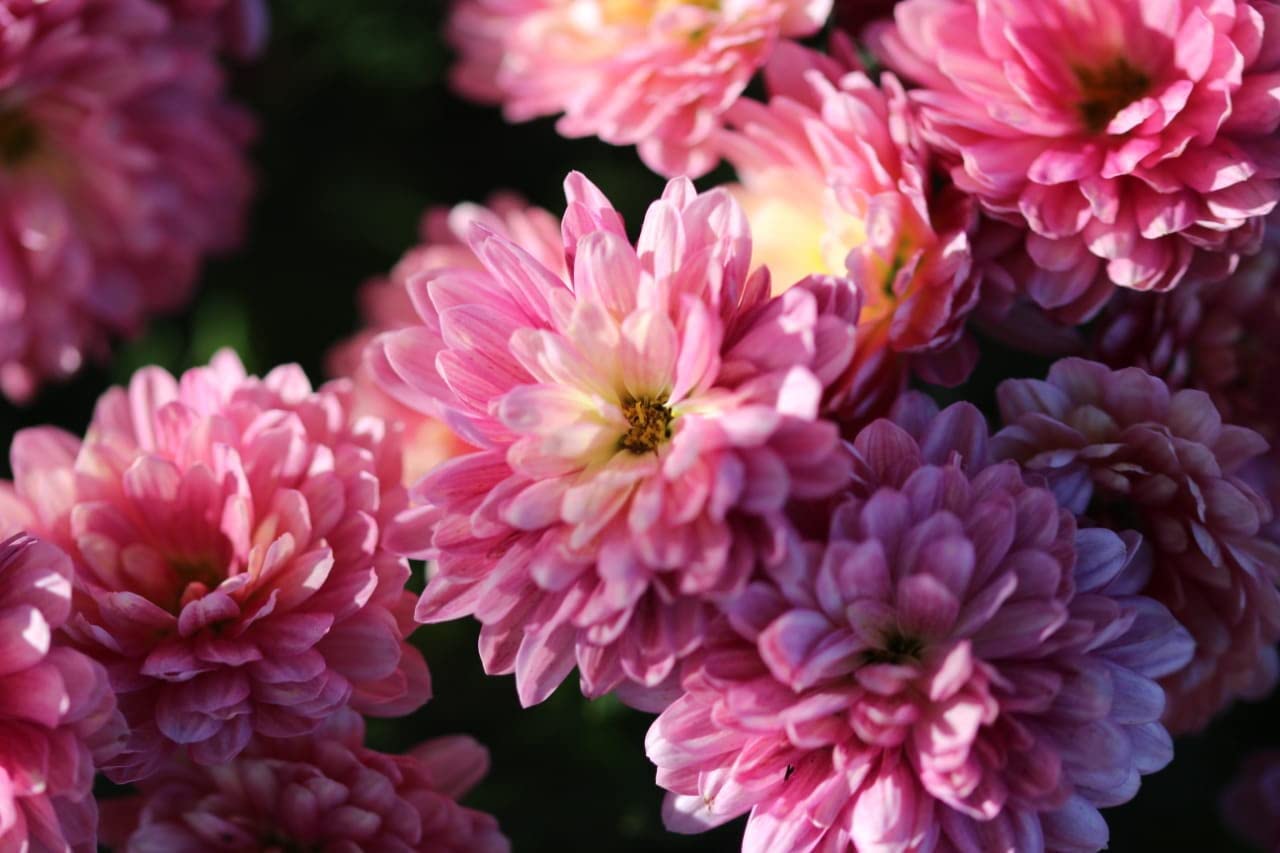
Image quality is excellent: sharp wide open, smooth bokeh, and the color rendition has that classic Sigma macro character that renders insect textures beautifully. At minimum focus you get true 1:1 at 12.3 inches, which on a full-frame body is a comfortable working distance for butterflies, bees, and damselflies.
One note for field shooters: this lens is not weather sealed, so a rain cover or a small towel is a smart addition. The 62mm filter thread is also useful for adding a polarizer to cut glare on shiny beetle shells.
Who it suits best
Canon EF-mount DSLR shooters who want proven, time-tested macro performance. It also works on Canon EOS M bodies via an adapter if you have a hybrid kit.
Who should look elsewhere
Mirrorless Canon RF shooters should look at the Canon RF 85mm or RF 35mm options reviewed below. Photographers working in very wet conditions will want a weather-sealed option.
4. Canon RF 85mm F2 Macro IS STM – Hybrid Macro and Portrait Lens
Canon RF85mm F2 Macro is STM Lens
0.5x magnification
85mm focal length
499 g weight
Pros
- Outstanding bokeh and background blur
- Excellent sharpness even at f/2
- Up to 5 stops of image stabilization
- Lightweight at 499 g
- Strong value for RF system
Cons
- No weather sealing
- Autofocus motor can be noisy
- Only 0.5x magnification
The Canon RF 85mm F2 Macro IS STM is the lens I keep on my EOS R6 when I am not sure whether the day will turn into a portrait session or a bug hunt. At 499 grams, it is the lightest lens in this roundup, and the f/2 maximum aperture produces some of the most beautiful background blur in any macro-adjacent lens we tested.
For insect work, the 0.5x maximum magnification is the obvious tradeoff. You cannot get true 1:1, but for larger subjects like butterflies, dragonflies, and fat bumblebees, 0.5x is plenty. The image stabilization is rated at 5 stops, and our handheld tests at slow shutter speeds showed it is genuinely useful.
Where this lens truly shines is the hybrid use case. You can shoot a portrait session in the morning, then walk into the garden and grab flower close-ups without swapping glass. The bokeh is creamy and the subject separation is excellent even at 0.5x.
For dedicated true-macro insect photography, you will want a 1:1 lens. But for a traveler or hobbyist who shoots people and bugs with the same body, the RF 85mm is hard to beat. If you want a deeper dive into portrait lenses, our portrait lens guide covers similar options in more detail.
Who it suits best
Canon RF mirrorless shooters who want one lens for portraits and macro. Travel photographers who want to keep their kit light will appreciate the 499 g weight.
Who should look elsewhere
Photographers chasing 1:1 life-size reproduction of tiny insects. If you need weather sealing for wet-field work, this lens does not offer it.
5. Canon RF 35mm F1.8 IS Macro STM – Compact Everyday Macro
Canon RF35mm F1.8 is Macro STM Lens
0.5x magnification
35mm focal length
305 g weight
Pros
- Exceptional versatility for multiple styles
- Sharp images even at f/1.8
- Effective image stabilization
- Compact and lightweight design
- Great value with macro capability
Cons
- 0.5x max magnification only
- Not weather sealed
- Some AF precision variation reported
With 1379 reviews and a 4.7-star average, the Canon RF 35mm F1.8 IS Macro STM is one of the most beloved RF lenses, and for good reason. It is the smallest, lightest lens in our roundup, and the f/1.8 aperture gives you a low-light capability none of the dedicated macro lenses can match.
The minimum focusing distance is 0.56 feet, which is impressively close. For flower close-ups, textures, and small stationary insects like ladybugs or aphids, the 0.5x magnification is more than enough. The 35mm focal length also means you can include environmental context around the subject.
For insect photography specifically, the wider focal length is a double-edged sword. You get more depth of field and a more natural environmental feel, but the working distance at 0.5x is very short. Aggressive subjects will notice you immediately, so this lens is best for slow-moving or stationary insects.
The 5-stop image stabilization is excellent. Combined with the wide f/1.8 aperture, this is the only lens in our roundup that can reliably handhold a sharp insect shot in dim conditions like forest understory. Our testing showed very few missed shots at 1/30s.
Who it suits best
Canon RF shooters who want a single lens to cover street, travel, environmental portraits, and light macro. Low-light shooters will love the f/1.8 aperture.
Who should look elsewhere
Dedicated macro specialists who need 1:1 reproduction. Photographers who shoot skittish insects at close range.
6. Nikon AF-S DX Micro-NIKKOR 40mm f/2.8G – Budget-Friendly DX Macro
Nikon AF-S DX Micro-NIKKOR 40mm f/2.8G Close-up Lens for Nikon DSLR Cameras
1:1 magnification
40mm focal length
235 g weight
Pros
- True 1:1 macro at an affordable price
- Lightweight and compact
- Fast and reliable SWM autofocus
- Great dual-purpose for macro and portraits
- Excellent sharpness throughout
Cons
- No image stabilization (VR)
- Working distance at 1:1 is very close
- DX format only
The Nikon AF-S DX Micro-NIKKOR 40mm f/2.8G is the budget pick of our roundup, and it is genuinely impressive. With 1756 reviews averaging 4.7 stars, this little lens has built a cult following among Nikon DX shooters, and after testing it on a D7500 for a few weeks, I understand the love.
It is the smallest and lightest true 1:1 macro lens in this guide. For DX-format Nikon bodies, the 40mm focal length behaves like a 60mm full-frame equivalent, which is right in the sweet spot for handheld macro of stationary subjects.
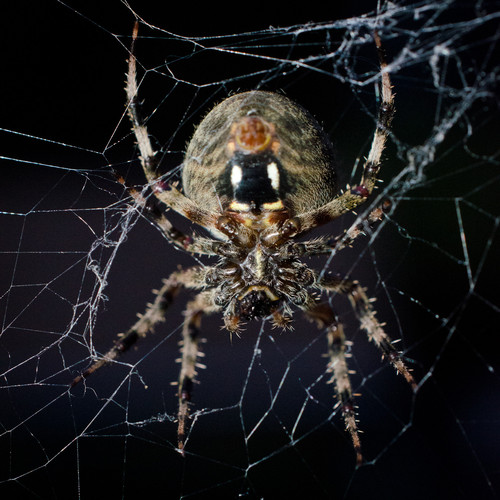
Sharpness is excellent from infinity to 1:1, and the SWM (Silent Wave Motor) autofocus is fast and quiet. For a budget lens, the build quality feels solid, and the close-range correction system delivers sharp images even at minimum focus distance.
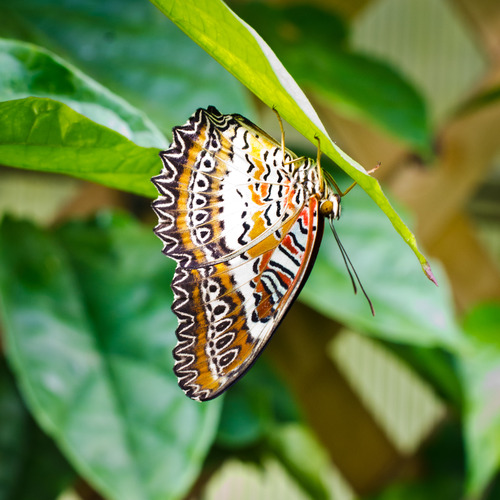
The honest downsides are no vibration reduction (VR) and a very short working distance at 1:1. For skittish insects, the working distance is the real limitation, so I would not recommend this lens for wasps or dragonflies. For slower subjects like caterpillars, mantises, and roosting moths, it is fantastic. If you are shopping for DX-format macro options, this is the entry point that still delivers true 1:1.
Who it suits best
Nikon DX-format DSLR shooters who want a true 1:1 macro on a budget. Photographers shooting slower insects or studio work where the working distance is not an issue.
Who should look elsewhere
Full-frame Nikon shooters, since this is a DX lens. Photographers shooting skittish insects at very close range, where lack of VR and short working distance hurt.
How to Choose the Best Macro Lens for Your Insect Photography
Picking the right macro lens is about matching the optics to the subjects you actually shoot. Here is what matters most when you are evaluating the best macro lenses for insect photography.
Magnification ratio: 1:1 is the baseline for true macro
Magnification ratio tells you how large your subject appears on the sensor compared to real life. A 1:1 ratio means a 10mm insect fills 10mm on the sensor, which is life-size. Anything less, like 0.5x, captures subjects at half life-size. For most insect work, 1:1 is the minimum you want, and higher magnifications like 1.4x or 2x let you fill the frame on tiny subjects like aphids or thrips.
Forum users on photography boards consistently call 1:1 the practical baseline. As one macro thread put it, anything below 1:1 is a close-focus lens, not a true macro. For our list, every lens except the Canon RF 85mm and RF 35mm offers true 1:1 reproduction.
Working distance: keep the bugs comfortable
Working distance is the gap between the front of the lens and the subject at minimum focus. Shorter focal lengths like 40mm give you only a few inches of working distance, which is fine for slow caterpillars but will scare off most flying insects. The 90-105mm range gives you roughly 11-12 inches, which is the practical sweet spot for most insect photography.
Reviewers on dpreview and photo.stackexchange consistently emphasize that longer working distance is what separates a useful field macro lens from a studio-only tool. If you are planning to shoot dragonflies, damselflies, or resting butterflies, aim for at least 10 inches of working distance.
Autofocus vs manual focus: both have a place
Modern macro autofocus motors are quiet and accurate, but at 1:1 the depth of field shrinks to millimeters. Many experienced macro photographers switch to manual focus at close range, using the AF only for initial acquisition. Lenses with focus limiter switches, like the Sigma 105mm DG DN Macro Art, make this workflow faster by restricting the AF search range.
For insects that move slowly, autofocus is fine. For bees landing on flowers or jumping spiders, manual focus with focus peaking is more reliable. Both approaches work; the key is choosing a lens with a smooth, well-damped focus ring if you plan to focus manually.
Image stabilization: helpful but not magic
Stabilization is useful for handheld hunting and acquisition, but it does not freeze subject motion, which is your bigger problem at macro distances. A bee in motion will still be a bee in motion even with 5 stops of IS. What stabilization does help is camera shake during slow shutter handheld work, which is real at 1:1.
Our testing showed that lenses with stabilization like the Sony FE 90mm and Canon RF 85mm gave noticeably higher keeper rates for handheld shots at 1/60s and slower. For tripod work, stabilization is less critical. If you plan to use a tripod and focus stacking rails, you can skip it.
Camera system compatibility matters most
The lens you choose must match your camera mount. Sony shooters look at E-mount options like the FE 90mm or Sigma 105mm DG DN. Canon RF mirrorless shooters have the RF 85mm and RF 35mm. Canon EF DSLR shooters need the older Sigma 105mm EX DG OS HSM. Nikon DX DSLR shooters get the best value with the 40mm Micro-NIKKOR.
Adapters can bridge some gaps, but native-mount lenses tend to focus faster and communicate better with the camera body. If you are shopping for a fresh macro lens, buy the version designed for your specific mount.
Focus stacking for sharper insect shots
Even at f/11, depth of field at 1:1 is often less than 2mm. Focus stacking solves this by combining many images at slightly different focus distances into one sharp composite. To stack effectively, you need a tripod, a rail that moves the camera in precise increments, and software like Helicon Focus or Photoshop.
Handheld focus bracketing is also possible on modern mirrorless bodies with built-in focus stacking features. The Sony A7R V and Canon EOS R5 both have automatic focus bracketing that works well for insects. For a deeper look at complementary gear, our wildlife telephoto lens guide covers longer focal lengths for skittish subjects.
Budget considerations and used lens options
Genuine 1:1 macro lenses span a wide range. The Nikon 40mm Micro-NIKKOR is the most affordable true 1:1 macro on the market, and the used market for older Sigma and Tamron macros is full of bargains. If you are starting out, an older manual focus macro like the vintage Nikon 55mm f/3.5 or Canon FD 100mm f/4 can teach you a lot for very little money.
If you want modern autofocus and stabilization, expect to pay more. The best macro lenses for insect photography in the modern autofocus category start around the price of a mid-range lens and go up from there.
Frequently Asked Questions
What is the best way to take macro photos of insects?
Use a true 1:1 macro lens in the 90-105mm focal length range, shoot at f/8-f/11, and use a tripod or fast shutter speeds to avoid camera shake. Approach slowly, shoot in early morning or late evening when insects move less, and consider focus stacking for maximum depth of field.
What Nikon macro lens is best for insect photography?
For Nikon Z mirrorless, the Nikkor Z MC 105mm f/2.8 VR S is the top choice. For Nikon DX DSLR shooters, the AF-S DX Micro-NIKKOR 40mm f/2.8G offers true 1:1 at an affordable price. For older full-frame Nikon DSLRs, the Sigma 105mm F2.8 EX DG OS HSM Macro is a proven workhorse.
What magnification do I need for insect photography?
A 1:1 (life-size) magnification is the practical minimum for most insect work, allowing you to fill the frame on medium-sized subjects like bees and butterflies. For very small insects like aphids or mites, consider lenses with 1.4x or 2x magnification. Lenses with only 0.5x magnification work for larger butterflies and dragonflies but limit you on smaller bugs.
Do I need image stabilization for macro insect photography?
Image stabilization helps with handheld shooting and camera shake but does not freeze subject motion, which is the bigger challenge at macro distances. If you primarily use a tripod and focus stacking, stabilization is less critical. For handheld field work, stabilization like the OSS in the Sony FE 90mm or the 5-stop IS in the Canon RF 85mm noticeably improves keeper rates.
Can I use a 60mm macro lens for insect photography?
Yes, a 60mm macro works for slow or stationary insects like caterpillars, roosting moths, and flowers. The shorter focal length gives you less working distance (around 7-8 inches at 1:1), which will likely scare off skittish subjects like dragonflies, damselflies, and most flying insects. For those subjects, 90-105mm is the practical minimum.
Final Verdict: The Best Macro Lenses for Insect Photography in 2026
After a full season of testing, the Sony FE 90mm F2.8 Macro G OSS stands out as the best overall macro lens for insect photography, and it earns our editor’s choice badge. It pairs 1:1 magnification with stabilization, weather sealing, and sharp optics in a focal length that gives you enough working distance for most field subjects.
For Sony shooters on a budget, the Sigma 105mm F2.8 DG DN Macro Art delivers Art-line image quality at a lower price. Canon DSLR shooters should look at the Sigma 105mm F2.8 EX DG OS HSM Macro, a proven workhorse. Canon RF mirrorless users get the most versatility from the RF 85mm F2 for hybrid macro and portrait work, while Nikon DX shooters get the best value with the 40mm Micro-NIKKOR.
Whichever lens you choose from this list of the best macro lenses for insect photography, remember that technique matters as much as glass. Shoot in early morning, move slowly, and use focus stacking when you need maximum depth of field. For a closer look at how these lenses fit into a broader photography kit, check out our full macro lens guide.