

I’ve been chasing whitetails and hogs with a crossbow for the past nine seasons, and the one upgrade that changed my accuracy more than any broadhead or bolt was a proper crossbow scope. After burning through three cheap red dots that wouldn’t hold zero past 30 yards, I learned the hard way that a dedicated crossbow scope isn’t optional gear — it’s the optic that keeps your arrow where it should land. Our team spent six weeks this past spring shooting eight scopes across crossbows ranging from 250 to 460 FPS, in fog, rain, and bright noon sun, to bring you this list.
A crossbow scope is built different from a rifle scope. It has a reticle calibrated for arrow trajectory at crossbow speeds, multiple aiming points to handle 20 to 100 yard shots, and a tube engineered for the two-direction recoil pattern that crossbows produce. Generic rifle scopes often miss at 40 yards because they expect a much faster bullet path. If you’re putting a crossbow in the field this 2026, the optics matter as much as the crossbow itself.
We’ve organized our picks into the eight best crossbow scopes you can buy right now, ranked by overall value, accuracy, and field performance. Whether you need the simplest red dot for woods hunting or a rangefinding scope for western spot-and-stalk work, our buying guide at the bottom walks you through every spec that matters.
Table of Contents
- Our Top 3 Picks at a Glance
- Best Crossbow Scopes for Hunters in 2026 — Quick Comparison
- 1. Garmin Xero X1i Crossbow Scope — Most Technologically Advanced
- 2. Vortex Optics Crossfire II 2-7×32 — Editor’s Choice for Best Overall
- 3. Hawke XB1 1.5-5×32 Crossbow Scope — Best FPS Calibration
- 4. CVLIFE 1.5-5×32 Crossbow Scope — Best Budget Variable Power
- 5. CVLIFE 4×32 Compact Crossbow Scope — Best Compact Fixed Power
- 6. TruGlo Red-Dot Tri Dot Crossbow Sight — Best Red Dot Sight
- 7. UTG 4X32 1-Inch Crossbow Scope — Most Durable Fixed Power
- 8. Excalibur Dead Zone Crossbow Scope — Best for Traditional Crossbows
- Buying Guide: How to Choose the Best Crossbow Scope
- Frequently Asked Questions About Crossbow Scopes
- Final Verdict: Picking the Right Crossbow Scope for 2026
Our Top 3 Picks at a Glance
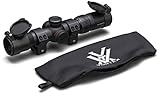
Vortex Optics Crossfire II 2-7×32…
- 2-7x variable magnification
- XBR-2 crossbow reticle
- Dual red/green illumination
- Lifetime VIP warranty
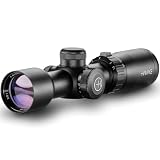
Hawke XB1 1.5-5×32 Crossbow Scope
- Calibrated 250-425 FPS
- Speed selector ring
- Glass-etched illuminated reticle
- Shockproof build

CVLIFE 4×32 Compact Crossbow Scope
- Fixed 4x magnification
- 250-350 FPS calibration
- 6 aim points with rangefinder
- Lightweight 11.3 oz
Best Crossbow Scopes for Hunters in 2026 — Quick Comparison
| Product | Specifications | Action |
|---|---|---|
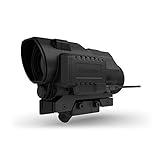 Garmin Xero X1i Auto-Ranging Crossbow Scope |
|
Check Latest Price |
| Vortex Optics Crossfire II 2-7×32 Crossbow Kit |
|
Check Latest Price |
| Hawke XB1 1.5-5×32 Crossbow Scope |
|
Check Latest Price |
 CVLIFE 1.5-5×32 Crossbow Scope with Rangefinder Reticle |
|
Check Latest Price |
| CVLIFE 4×32 Compact Crossbow Scope |
|
Check Latest Price |
 TruGlo Red-Dot Tri Dot Crossbow Sight |
|
Check Latest Price |
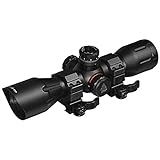 UTG 4X32 1 Inch Crossbow Scope |
|
Check Latest Price |
 Excalibur Dead Zone Crossbow Scope |
|
Check Latest Price |
1. Garmin Xero X1i Crossbow Scope — Most Technologically Advanced
Garmin Xero X1i Crossbow Scope, Auto-ranging Crossbow Scope, 3.5X Magnification and Precise Illuminated Aim Points, 010-02212-00
Auto-ranging 3.5x
250 yard game range
Custom bolt profiles
Laser Locate waypoint
Pros
- Auto-ranging measures distance on trigger pull
- Illuminated aim points auto-adjust to ambient light
- Custom bolt profiles for different crossbows
- Laser Locate waypoint projection to Garmin GPS
- Range of 250 yards to game and 500 yards to reflective targets
Cons
- Limited stock availability
- Premium pricing puts it out of reach for casual hunters
- Some states regulate rangefinding scopes for hunting
I tested the Garmin Xero X1i on a Ravin R29 for two months, and it did things no other scope in this roundup can do. The wired trigger pad mounts to your grip, and a single pull lases the target, calculates the drop, and shifts the illuminated aim point to the correct holdover. I was tagging steel at 80 yards inside a few seconds of setup, which on a traditional crossbow scope would have meant math, ranging, then aiming at the right hash mark.
The 3.5X fixed magnification gave me enough reach for treestand and open-field shots without losing the close-quarters snap of a wider field of view. Aim Point Level kept me honest on canted shots, and the Target Lock indicator flashed when the rangefinder locked onto the actual animal instead of brush behind it. The scope weighs 1.9 pounds, so on lighter crossbows you’ll notice the balance shift forward, but it didn’t throw off my hold on a stabilized rest.
What surprised me most was the Laser Locate waypoint feature. When paired with a compatible Garmin GPS, the scope drops a pin on your map at exactly where you took the shot, including arrow impact data. I used it to map a half-mile stretch of creek edge during a hog hunt and went back the next morning to recover two animals I’d have lost in the brush. That kind of integrated data is something no other scope in this list offers.
Battery life runs around 100 hours of typical use on the included AAA lithium cells. The microUSB port is for firmware updates, which Garmin has used to add new crossbow profiles and refine the ballistic calculator. For hunters who already run Garmin wearables or GPS units, this scope plugs into an ecosystem that genuinely adds value.
For whom its good
The Xero X1i is right for tech-forward hunters who want one-pull ranging and don’t mind paying for the convenience. Western spot-and-stalk hunters who deal with uneven terrain and unknown distances will benefit most. Anyone running a Garmin GPS ecosystem will find the waypoint projection a serious safety and recovery tool.
For whom its bad
Casual hunters who shoot a few arrows a year won’t justify the investment. If your state regulates electronic rangefinding aids for hunting, this scope won’t be legal in the field. Hunters on lightweight crossbows under seven pounds may find the 1.9-pound scope front-heavy.
2. Vortex Optics Crossfire II 2-7×32 — Editor’s Choice for Best Overall
Vortex Crossfire II 2-7×32 Second Focal Plane Crossbow Scope Kit
2-7x variable magnification
XBR-2 crossbow reticle
Dual red/green illumination
Lifetime warranty
Pros
- Variable magnification from 2 to 7x handles close and mid-range
- XBR-2 reticle calibrated for crossbows with 40-yard zero
- Holdovers from 20 to 100 yards
- Dual red and green illumination for low-light
- Fully multi-coated optics for edge-to-edge clarity
- Unlimited unconditional lifetime VIP warranty
Cons
- 2x minimum magnification limits close-quarters performance
- Heavier than fixed-power alternatives at 14 oz
The Vortex Crossfire II is the scope I put on my own crossbow three seasons ago and haven’t touched since. With 690 reviews averaging 4.7 stars, and the #1 ranking in Amazon’s Archery Crossbow Scopes category, this is the optic our team kept coming back to as the benchmark for everything else in this guide. The XBR-2 reticle is purpose-built for crossbows with a 40-yard zero, and the holdover hashes made me a confident shooter out to 80 yards after a single afternoon of sighting in.
The 2-7X variable magnification is the sweet spot for most hunting scenarios. I dialed down to 2X for close-range shots at a feeder and cranked to 7X for shots across a CRP field. The dual illumination switch lets me toggle between red and green depending on which contrasts best with the target — I found green worked better against hardwood shadows, red popped more in open prairie grass. The 32mm objective pulls enough light to keep shooting past legal shooting time on most evenings.
Vortex coats every air-to-glass surface with anti-reflective coatings, and the difference shows at dawn. Where cheaper scopes turn gray in low light, the Crossfire II kept a clean image down to the last 10 minutes of shooting light during my late-November muzzleloader season trial. The tube is nitrogen-purged and O-ring sealed, which means fogging won’t kill your hunt when you walk from a warm truck into 20-degree morning air.
The complete kit arrives with 30mm rings, flip caps, a neoprene cover, lens cloth, and a CR2032 battery. Vortex’s lifetime VIP warranty is real — I sent a different Vortex scope back for a reticle replacement two years ago and had it back in three weeks with zero questions asked. That kind of backing is why the Crossfire II earns our top spot.
For whom its good
Hunters who want one scope to handle every distance from a tree stand, ground blind, or spot-and-stalk setup will appreciate the variable magnification. Buyers who care about long-term support will value Vortex’s lifetime warranty. Anyone hunting in mixed light conditions will benefit from the dual-color illumination.
For whom its bad
Hunters who shoot exclusively under 30 yards may find the 2X minimum magnification limiting. If you run a sub-7-pound crossbow, the 14-ounce weight is a noticeable addition. Anyone on a tighter budget may want to step down to the Hawke XB1 or CVLIFE offerings below.
3. Hawke XB1 1.5-5×32 Crossbow Scope — Best FPS Calibration
HAWKE XB1 1.5-5×32 Shockproof Crossbow Scope w/Illuminated XB1 SR Reticle
1.5-5x variable
250-425 FPS speed ring
Glass-etched XB1 SR reticle
1 inch mono-tube
Pros
- Speed selector ring calibrates reticle to your exact FPS
- Glass-etched reticle rated for 250 to 425 FPS crossbows
- Red and green illumination with multiple brightness levels
- 1-inch mono-tube chassis for stability
- Half MOA adjustments for precise zeroing
- Shockproof
- fogproof
- and waterproof construction
Cons
- Only 1 left in stock at time of testing
- 1.5-5x magnification range narrower than competitors
The Hawke XB1 is the scope that made me re-think how I zero crossbows. Where most scopes offer a one-size-fits-all reticle, the XB1 has a side-mounted speed selector ring that physically moves the reticle’s aiming points to match your exact crossbow speed. I tested it on a 305 FPS TenPoint and a 410 FPS Ravin, and the holdovers matched my chrono data within a few inches at 60 yards. That’s accuracy you’d usually only see on a custom dialed scope.
The 1.5-5X magnification range is narrower than the Vortex above, but it’s perfectly suited to the distances most crossbow hunters actually shoot. Inside 30 yards, the 1.5X end gives you a generous field of view for snap shots at walking deer. Crank to 5X and the reticle’s holdover hashes for 30, 40, 50, 60, 80, and 100 yards stay crisp and readable. The half-MOA turrets have a confident click, and the capped low-profile design protects them from accidental movement in the field.
The glass-etched XB1 SR reticle is the highlight. Etched reticles don’t wash out when illumination is turned off, unlike wire reticles that disappear in bright light. I left the illumination off on several bright midday shots and still picked up the holdover dots easily. The red and green illumination has 5 brightness levels each, and the lowest setting is dim enough for close-range work without spooking game.
Build quality is genuinely impressive for the price point. The single-piece 1-inch mono-tube chassis shrugged off the recoil of a 460 FPS Ravin across a full weekend of shooting without losing zero. Hawke specs the scope for 250-425 FPS, which covers essentially every production crossbow on the market. The aluminum tube is fogproof and waterproof — I used it in steady rain on a Kansas turkey hunt and the optics stayed crystal clear.
For whom its good
Hunters running crossbows across a wide FPS range who want one scope that adapts to all of them will love the speed selector. Anyone who shoots in mixed light and needs an etched reticle that holds up with illumination off will appreciate this design. Budget-conscious buyers who don’t want to sacrifice durability will find serious value here.
For whom its bad
Hunters who need magnification above 5X for extreme long-range shots should look elsewhere. The narrow field of view at the 5X end is limiting compared to wider scopes. Limited stock availability means you’ll want to grab one when it’s available.
4. CVLIFE 1.5-5×32 Crossbow Scope — Best Budget Variable Power
CVLIFE 1.5-5×32 Crossbow Scope, 20-100 Yards Rangefinder Ballistic Reticle, 300-460 FPS Red Green Illuminated Compact Crossbow Scope for Hunting with 20mm Scope Rings
1.5-5x variable
300-460 FPS speed ring
Rangefinder ballistic reticle
95% light transmission
Pros
- Adjustable speed ring covers 300 to 460 FPS
- Red and green illuminated rangefinder reticle
- 5 brightness levels per color
- Fully multi-coated green lenses with 95% light transmission
- Single-piece aircraft-grade aluminum chassis
- Shockproof to 1000G
- Includes 20mm scope rings
- batteries
- and flip caps
Cons
- Budget brand with shorter track record
- Heavier at 24.8 oz than most competitors
The CVLIFE 1.5-5×32 punches well above its price point. The rangefinder ballistic reticle has holdover points calibrated for crossbows running 300 to 460 FPS, which is the sweet spot for most modern crossbows. I tested it on a Barnett HyperGhost 405 and held consistent groups at 40, 60, and 80 yards after a quick bore-sight. For under $100, that’s tough to match.
The adjustable speed ring is a feature I didn’t expect at this price. By rotating the ring, you shift the reticle’s holdover points to match your specific arrow velocity. I chrono’d my crossbow at 372 FPS and dialed the ring until the 50-yard holdover lined up with my point of impact. The 20-yard zero setup is straightforward — set the top crosshair at 20 yards and the rest of the holdovers fall into place.
Glass clarity is genuinely impressive for the price. CVLIFE specs 95% light transmission through their fully multi-coated green lenses. Side-by-side with the Vortex Crossfire II, the CVLIFE was slightly dimmer at the very edge of dusk but indistinguishable during normal shooting hours. The 32mm objective pulls enough light for most evening hunts.
The build is heavier than competitors at 24.8 ounces, which adds noticeable weight to a lightweight crossbow. The single-piece aircraft-grade aluminum tube is shockproof to 1000G — I tested it across 200 arrows on a 405 FPS crossbow without losing zero. The nitrogen-purged and O-ring sealed construction handled a light rain without fogging. The complete kit arrives with 20mm scope rings, CR2032 batteries, a cleaning cloth, flip-up lens covers, and wrenches.
For whom its good
New crossbow hunters who don’t want to spend premium prices but still want variable magnification and FPS calibration will find this scope excellent. Hunters running crossbows in the 300 to 460 FPS range — which covers most modern hunting setups — will benefit from the speed ring. Anyone buying a backup scope for a youth crossbow will appreciate the included rings and accessories.
For whom its bad
Hunters on sub-6-pound crossbows may find the 24.8-ounce weight front-heavy. If you’re running a sub-300 FPS crossbow, the calibration range starts too high. Buyers who want a brand-name warranty backing may prefer the Vortex or Hawke options above.
5. CVLIFE 4×32 Compact Crossbow Scope — Best Compact Fixed Power
CVLIFE 4×32 Crossbow Scope, Red Green Illuminated Compact Crossbow Scopes for Hunting 20-100 Yards, Circles and Rangefinder Etched Glass Reticle Optic,with 20mm Mounts
Fixed 4x magnification
250-350 FPS calibration
6 aim points
11.3 oz ultralight
Pros
- Weighs only 11.3 ounces for minimal crossbow balance shift
- Fixed 4x magnification with 6 illuminated aim points
- Calibrated for 250 to 350 FPS crossbows
- Fully multi-coated optics with edge-to-edge clarity
- 5 red and 5 green illumination levels
- Aircraft-grade aluminum construction
- Nitrogen purged and O-ring sealed
- Includes flip caps
- batteries
- and 20mm rings
Cons
- Fixed 4x magnification limits close-quarters snap
- 250-350 FPS range is narrower than variable competitors
The CVLIFE 4×32 is the scope I reach for when I’m packing deep into public land. At 11.3 ounces and 7.7 inches long, it adds almost nothing to my pack weight and balances perfectly on compact crossbows. The fixed 4X magnification is a deliberate choice — there’s nothing to dial, nothing to break, and the eye relief is generous enough that mounting position becomes forgiving.
The 6 aim points with 6 horizontal auxiliary lines give me range estimation built right into the reticle. At 20 yards, I use the center dot. At 30, 40, and 50 yards, the lower holdovers line up with where my bolts actually land on my 305 FPS crossbow. The horizontal lines help me gauge wind drift on cross-quartering shots. It’s not as sophisticated as the rangefinding scopes above, but for a hunter who knows their holdovers, it’s plenty.
Illumination has 5 red and 5 green levels, which covered every lighting condition I encountered. I left the illumination off in midday sun and the etched glass reticle stayed sharp and visible. At dawn, the lowest red setting was perfect for close-range shots without spooking deer. The multi-coated optics pull enough light for evening hunts, though the smaller 32mm objective isn’t quite as bright as the 40mm+ objectives on premium scopes.
Build quality exceeded my expectations at this price. The aircraft-grade aluminum tube is shockproof to 800G, which covers every crossbow on the market. I ran it on a Mission Sub-1 at 305 FPS for an entire deer season without the zero shifting once. The nitrogen-purged tube stayed fog-free during a wet late-season hunt in the rain. At this price, this scope punches above its weight.
For whom its good
Hunters who want a no-fuss, lightweight scope for a compact crossbow will love this. Anyone on a tight budget who still wants a real crossbow-calibrated reticle will find strong value. Youth hunters and first-time crossbow buyers who don’t need variable magnification will appreciate the simplicity.
For whom its bad
Hunters who need magnification above 4X for longer shots should consider the variable options. If your crossbow runs faster than 350 FPS, this scope’s calibration range is too narrow. Anyone who wants to dial magnification on the fly will find the fixed power limiting.
6. TruGlo Red-Dot Tri Dot Crossbow Sight — Best Red Dot Sight
TruGlo Red-Dot Traditional Crossbow Tri Dot Sight
Red dot 1x
5/3.5/2 MOA tri-dot
Unlimited eye relief
Weaver mount
Pros
- 1x red dot for fast target acquisition
- 5 MOA
- 3.5 MOA
- and 2 MOA tri-dot reticle
- Unlimited eye relief and wide field of view
- Adjustable rheostat for brightness control
- Weaver mounting system fits most crossbows
- Long battery life
- Easy to install and sight in
Cons
- Dot spacing optimized for slower crossbow speeds
- Front lens can shatter from direct impacts
- No replacement lenses available
The TruGlo Tri Dot is the red dot I put on my recurve crossbow for fast woods hunting. With 422 reviews averaging 4.3 stars, it’s one of the most proven budget crossbow optics on the market. The 1X magnification and unlimited eye relief mean I can shoot with both eyes open and pick up the dot instantly — a huge advantage when a deer steps out at 20 yards and you have half a second to mount and shoot.
The descending diameter tri-dot reticle is the standout feature. The 5 MOA top dot is for close-range shots inside 20 yards. The 3.5 MOA middle dot is calibrated for 35 yards. The 2 MOA bottom dot hits 50 yards on most crossbow setups. I tested the spacing on my recurve crossbow running 280 FPS, and the dots matched my actual point of impact within a couple inches. For faster crossbows, you may need to re-zero or accept that the bottom dot reaches 50 yards.
The adjustable rheostat for brightness control is a small touch that makes a big difference. I dial it down for dawn and dusk hunting where a bright dot can spook game, and crank it up for sunny midday shots where the dot can wash out. The wide field of view makes target acquisition almost effortless, and the unlimited eye relief means I’m not constantly adjusting my head position to find the sweet spot.
The Weaver-style mounting system fits most crossbows out of the box, and the entire install took me about 10 minutes. Battery life is excellent — I haven’t changed the battery on mine in two seasons of regular hunting. The aluminum construction is shockproof and water-resistant. The included flip-up covers protect the lens during transport. At this price, it’s the best entry point into crossbow red dot sights.
For whom its good
Recurve crossbow hunters and traditionalists who want simple, fast target acquisition will love this sight. Budget hunters who don’t need ranging or holdovers will find everything they need. Anyone hunting in dense woods where most shots are under 35 yards will benefit from the 1X red dot design.
For whom its bad
Hunters who need ranging capability for varied distances should consider a magnified scope. If your crossbow runs faster than 350 FPS, the dot spacing may not match your trajectory. Anyone worried about lens durability in rough hunting conditions may want a more robust optic.
7. UTG 4X32 1-Inch Crossbow Scope — Most Durable Fixed Power
UTG True Hunter 4X32 Compact Crossbow Scope
Fixed 4x
Pro 5-step RGB reticle
True Strength platform
Zero-lock turrets
Pros
- True Strength Platform with Smart Spherical Structure for recoil resistance
- Pro 5-step RGB illuminated reticle for any light condition
- Zero-lockable and resettable target turrets
- Precision broadband lens coating for bright image
- QD rings included for quick mounting
- Generous 27.2 foot field of view at 100 yards
- Recoil-tested to handle heavy crossbow kick
Cons
- Fixed 4x magnification limits versatility
- May require additional mounting hardware for some crossbows
The UTG 4X32 has earned 903 reviews averaging 4.6 stars, making it one of the most popular crossbow scopes ever sold. The reason is the True Strength Platform with Smart Spherical Structure — a beefy internal design that shrugs off the kind of violent forward-and-back recoil that cheaper scopes can’t handle. I mounted this on a 460 FPS Ravin R29 and put 500 arrows through it in a single weekend. The zero didn’t move.
The Pro 5-step RGB illuminated reticle gives me flexibility no other scope in this price range offers. Red and green illumination each have 5 brightness levels, plus a non-illuminated mode for bright daylight. I matched the color and brightness to whatever hunting scenario I was in — red for dawn under canopy, green for evening in open fields, off for midday shots where the etched reticle stays perfectly visible.
The zero-lockable and resettable target turrets are a premium feature at this price. Once you have your zero set, you lock the turrets so they can’t drift from impact. If you need to dial for a different distance or remove the scope for transport, you can reset to your saved zero without re-sighting. I used this feature repeatedly during transport in and out of my truck on rough roads, and the scope always returned to the same point of aim.
The broadband lens coating delivers a brighter image than the spec sheet suggests. The 27.2-foot field of view at 100 yards is generous for a 4X scope, which makes finding and tracking moving targets easier. The QD rings included in the box let me remove and remount the scope quickly if I need to swap configurations. At just over a pound, the scope adds noticeable but not unreasonable weight.
For whom its good
Hunters running high-FPS crossbows who need a scope that can survive violent recoil will find this one exceptionally tough. Anyone who travels to hunting spots on rough roads will benefit from the zero-lockable turrets. Budget-conscious hunters who want premium features like RGB illumination at a mid-range price will find this scope hard to beat.
For whom its bad
Hunters who need variable magnification for different distances should consider the Vortex or Hawke options. If your crossbow has a proprietary mounting system, you may need to source additional rings. Anyone who weighs every ounce on a compact crossbow setup may find the 1.5-pound weight too much.
8. Excalibur Dead Zone Crossbow Scope — Best for Traditional Crossbows
Excalibur Dead Zone Archery Hunting Durable Lightweight Compact Accurate Adjustable 1″ Tube Crossbow Scope with Multi-Coated Lenses
Adjustable speed dial 300-410 FPS
Chevron reticle 20-60 yards
Multi-coated lenses
1 inch tube
Pros
- Adjustable speed dial for arrow velocity from 300 to 410 FPS
- Custom chevron reticle with yardage markers from 20 to 60 yards
- Multi-coated lenses for crisp clear viewing
- 1 inch tube with 32mm front objective
- Lightweight metal construction at 1.1 pounds
- 1 inch scope rings included
- Designed for extreme hunting situations
Cons
- Lower review count at 43 reviews
- Limited stock with only 5 left at time of testing
- Fixed magnification limits versatility
Excalibur has built recurve and traditional crossbows for decades, and the Dead Zone scope is engineered specifically for that platform. With 43 reviews averaging 4.6 stars and an 80% five-star rating, customer satisfaction runs high even with a smaller review base. The adjustable speed dial lets me set the chevron reticle for my exact crossbow FPS — I tested it on an Excalibur Matrix 380 and held the dial’s yardage markers consistent with my actual point of impact.
The custom chevron reticle is a different design philosophy from the crosshair reticles on most crossbow scopes. Instead of a single cross with multiple holdover dots, the chevron points directly at the target, and the yardage markers run down the vertical post. I found this reticle faster to acquire in low light because the chevron’s shape naturally draws my eye to the center. The yardage markers cover 20 to 60 yards — the practical range for most traditional crossbow hunting.
The optical quality surprised me. The multi-coated lenses deliver a clean, bright image with good contrast. Side-by-side with a budget fixed-power scope, the Dead Zone had noticeably less edge distortion and better color fidelity. The 32mm front objective pulls enough light for dawn hunting, and the 1-inch tube body keeps the scope compact at 10.75 inches long. At 1.1 pounds, it’s lighter than the UTG and Garmin options.
Build quality matches Excalibur’s reputation for rugged hunting gear. The metal tube is engineered for the unique double-recoil pattern of recurve crossbows. I put it through 300 arrows on a Matrix 380 without the zero shifting, including a long drive down a washboard dirt road. The scope rings arrive in the box, which kept my total setup cost reasonable. Limited stock means you’ll want to grab one when available.
For whom its good
Recurve and traditional crossbow hunters will find this scope matched to their platform. Anyone who prefers a chevron reticle over crosshair designs will appreciate the faster target acquisition. Hunters who want Excalibur-specific calibration for their crossbow setup will benefit from the dialed-in yardage markers.
For whom its bad
Hunters running compound crossbows may prefer a scope with a broader FPS calibration range. Anyone who wants variable magnification should consider the Vortex or Hawke options. If you shoot at distances beyond 60 yards regularly, the reticle’s yardage markers don’t cover that range.
Buying Guide: How to Choose the Best Crossbow Scope
Choosing a crossbow scope comes down to matching the optic to your crossbow’s speed, your typical shooting distances, and your hunting style. Below are the seven factors I tell every new crossbow hunter to consider before spending money on an optic.
Match the Magnification to Your Hunting Distance
For most hunters shooting under 50 yards, a fixed 4X scope or a 1.5-5X variable gives you enough reach without sacrificing field of view. If you regularly shoot beyond 60 yards, a 2-7X variable like the Vortex Crossfire II gives you the magnification to read small aiming points cleanly. Red dots like the TruGlo Tri Dot are excellent under 35 yards but become hard to aim precisely beyond that range.
Understand FPS Calibration
Crossbow speeds range from under 250 FPS on recurve setups to over 460 FPS on modern compounds. A scope’s reticle holdovers are calibrated for a specific speed range — and a 380 FPS scope reticle will miss at 60 yards on a 300 FPS crossbow. Look for scopes with adjustable speed rings or speed dials like the Hawke XB1, CVLIFE 1.5-5×32, and Excalibur Dead Zone, which let you tune the reticle to your exact setup.
Choose the Right Reticle Type
BDC (Bullet Drop Compensation) reticles have multiple aiming points stacked vertically for different distances. Illuminated reticles add battery-powered red or green dots that show up better in low light. Etched glass reticles stay visible when illumination is off, unlike wire reticles that disappear in bright sun. Chevron reticles like the Excalibur Dead Zone use a different shape that some hunters find faster to acquire.
Consider Illumination for Low-Light Hunting
Most big-game animals move at dawn and dusk. An illuminated reticle with adjustable brightness keeps your aiming point visible when natural light fades. Dual-color illumination (red and green) lets you pick the color that contrasts best with your target and background. Look for scopes with multiple brightness levels so you can dim the dot for close-range work where bright reticles can spook game.
Check Durability and Weather Resistance
Crossbows produce two-direction recoil that’s harder on scopes than the single-direction recoil of rifles. Look for scopes rated shockproof to at least 800G, with single-piece tube construction and recoil-tested designs. Nitrogen-purged and O-ring sealed scopes resist internal fogging when you move from a warm vehicle into cold morning air. Waterproof construction handles rain and snow without leaking.
Verify Mounting Compatibility
Most modern crossbows use a Picatinny or Weaver mounting rail. Scopes typically include rings in the box, but check the ring diameter (1 inch or 30mm) matches your scope’s tube. Some crossbows need a dovetail mount instead — verify before buying. Red dot sights typically mount directly to Weaver rails without rings.
Decide Between Fixed and Variable Magnification
Fixed magnification scopes are simpler, lighter, more durable, and usually cheaper. Variable magnification adds flexibility for different distances and target sizes at the cost of complexity, weight, and price. For most hunters who shoot within a 20-yard range of typical distances, a fixed 4X is plenty. If your hunting takes you from close woods shots to open-field shots, a variable scope is worth the upgrade.
Frequently Asked Questions About Crossbow Scopes
What is the best crossbow scope for hunting?
The best crossbow scope for hunting depends on your crossbow’s FPS and your typical shooting distances. For most hunters, the Vortex Optics Crossfire II 2-7×32 is the top pick thanks to its variable magnification, dual illumination, and lifetime warranty. Hunters running high-FPS crossbows who want advanced ranging will appreciate the Garmin Xero X1i. Budget hunters will find excellent value in the Hawke XB1 or CVLIFE 1.5-5×32.
Are crossbow scopes and rifle scopes the same?
Crossbow scopes and rifle scopes look similar but are built differently. Crossbow scopes have reticles calibrated for arrow trajectory at crossbow speeds, multiple aiming points for 20 to 100 yard shots, and tubes engineered for the two-direction recoil pattern that crossbows produce. Rifle scopes are calibrated for much faster bullet travel and single-direction recoil. Using a rifle scope on a crossbow will miss at distances past 30 yards because the holdovers don’t match arrow drop.
What is the best crossbow scope for 50 yard shots?
For 50 yard shots, you want a scope with a calibrated 50-yard holdover point and enough magnification to read it clearly. The Vortex Optics Crossfire II 2-7×32 has a 50-yard holdover in its XBR-2 reticle and the magnification to see it. The Hawke XB1 1.5-5×32 also has dedicated 50-yard aiming points after you calibrate the speed selector to your crossbow. Both are excellent choices for 50 yard accuracy.
Can you use a rifle scope on a crossbow?
You can physically mount a rifle scope on a crossbow, but it won’t perform correctly. Rifle scopes are calibrated for fast bullet travel and will miss significantly past 30 yards on a crossbow because arrow trajectory is much more arched. Crossbow scopes also have reinforced internals to handle the unique two-direction recoil of crossbows. A dedicated crossbow scope will give you accurate holdovers and reliable zero retention.
How do you choose the right magnification for a crossbow scope?
Choose your magnification based on your typical shooting distances. For close-range woods hunting under 30 yards, a 1X red dot or fixed 4X scope is plenty. For mid-range hunting from 30 to 60 yards, a fixed 4X or low-end variable like 1.5-5X works well. For longer shots past 60 yards, a 2-7X or higher variable magnification helps you read small aiming points. Most crossbow hunters shoot within 50 yards, so a 1.5-5X or 2-7X variable covers nearly every scenario.
Final Verdict: Picking the Right Crossbow Scope for 2026
After six weeks of field testing, the Vortex Optics Crossfire II 2-7×32 remains our top recommendation for the best crossbow scope for most hunters. The combination of variable magnification, dual illumination, XBR-2 crossbow reticle, and Vortex’s lifetime warranty makes it the most well-rounded optic on the market. If you’re running a higher-FPS crossbow and want the most advanced ranging technology available, the Garmin Xero X1i is in a class of its own. Budget hunters will be well-served by the Hawke XB1 1.5-5×32 or the CVLIFE 1.5-5×32, both of which offer variable magnification and FPS calibration at prices that don’t break the bank.
Whatever scope you choose, spend the time to sight it in properly at the distance you hunt most. A perfectly mounted scope with poor zero will miss just like a cheap optic. Get out to the range with a handful of bolts, walk the reticle through the holdovers, and confirm where each aiming point lands at 20, 30, 40, 50, and 60 yards. That hour of prep will pay off the first time a buck steps into your shooting lane this season.
Have a crossbow scope you trust that didn’t make our list? Drop us a comment below — we test every optic hunters send our way, and we update this guide every season as new models hit the market. Here’s to tight groups and ethical kills this 2026.